



As a supplier of EPDM flat gaskets, I often get asked whether these gaskets can be used in food - grade applications. This is a crucial question, especially considering the strict regulations and safety requirements in the food industry. In this blog, I'll delve into the properties of EPDM flat gaskets, their suitability for food - grade use, and the factors to consider.
Understanding EPDM Flat Gaskets
EPDM, or Ethylene Propylene Diene Monomer, is a synthetic rubber known for its excellent resistance to heat, weather, ozone, and chemicals. Flat gaskets made from EPDM are commonly used in various industries due to their versatility and durability. They are designed to create a tight seal between two surfaces, preventing the leakage of fluids or gases.
The material's unique molecular structure gives it outstanding flexibility and resilience. EPDM flat gaskets can withstand a wide range of temperatures, from - 40°C to 120°C, making them suitable for both cold and hot environments. Additionally, they have good electrical insulation properties, which can be an advantage in some applications.
Food - Grade Requirements
The food industry has stringent regulations regarding the materials that come into contact with food. These regulations are in place to ensure the safety and quality of the food products. For a material to be considered food - grade, it must meet certain criteria:
Chemical Resistance
Food - grade materials should not react with food substances. They should be resistant to acids, alkalis, oils, and other chemicals commonly found in food products. EPDM has good chemical resistance, which means it can withstand contact with many food - related substances without degrading or leaching harmful chemicals into the food.
Non - Toxicity
The material must be non - toxic and not release any harmful substances such as heavy metals, phthalates, or other contaminants. High - quality EPDM flat gaskets can be formulated to meet these non - toxicity requirements. They are often tested and certified to comply with relevant food safety standards, such as the FDA (Food and Drug Administration) regulations in the United States or the EU food contact regulations.
Hygiene
Food - grade materials should be easy to clean and maintain. EPDM flat gaskets have a smooth surface, which makes them resistant to the growth of bacteria and other microorganisms. They can be easily cleaned using common cleaning agents without losing their integrity.
Suitability of EPDM Flat Gaskets for Food - Grade Applications
Based on the above requirements, EPDM flat gaskets can indeed be used in food - grade applications. However, it is essential to ensure that the gaskets are specifically designed and manufactured for food contact.


Applications in the Food Industry
EPDM flat gaskets are used in a variety of food - related equipment and processes. For example, they can be found in food processing machinery, such as mixers, conveyors, and filling machines. They are also used in food storage containers, pipelines, and valves to prevent leakage and maintain the integrity of the food products.
Advantages in Food - Grade Use
One of the main advantages of using EPDM flat gaskets in food - grade applications is their long - term durability. They can withstand the harsh conditions of food processing, including high temperatures, pressure, and chemical exposure, without deteriorating. This reduces the need for frequent replacement, which can save time and money for food manufacturers.
Another advantage is their flexibility. EPDM gaskets can conform to irregular surfaces, creating a tight seal even in complex applications. This helps to prevent the entry of contaminants and ensures the safety of the food products.
Factors to Consider
While EPDM flat gaskets have many benefits for food - grade applications, there are some factors that need to be considered:
Quality and Certification
Not all EPDM flat gaskets are suitable for food contact. It is crucial to source gaskets from a reputable supplier who can provide the necessary certifications. Look for gaskets that are certified to meet food safety standards, such as FDA or EU food contact regulations.
Compatibility with Food Products
Different food products have different chemical compositions. It is important to ensure that the EPDM gasket is compatible with the specific food products it will come into contact with. For example, some food products may contain high levels of acids or oils, which may require a gasket with enhanced chemical resistance.
Temperature and Pressure
The temperature and pressure conditions in the food processing environment can vary. Make sure the EPDM flat gasket can withstand the specific temperature and pressure requirements of your application. Some gaskets are designed for high - temperature applications, while others are more suitable for low - temperature environments.
Other Related Gasket Products
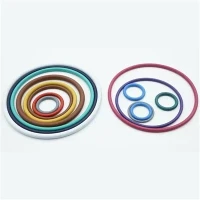
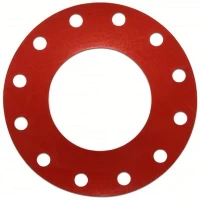
In addition to EPDM flat gaskets, there are other types of gaskets that may also be used in food - grade applications. For example, Tiny Rubber Gaskets can be used in small - scale food processing equipment or in applications where a precise seal is required. Red Rubber Flange Gasket is another option that offers good sealing performance and can be suitable for some food - grade applications. Black Neoprene Gasket also has its own unique properties and may be used in certain food - related scenarios.
Conclusion
In conclusion, EPDM flat gaskets can be used in food - grade applications if they are properly selected and meet the necessary food safety requirements. Their chemical resistance, non - toxicity, and hygiene properties make them a suitable choice for many food - related equipment and processes. However, it is essential to consider factors such as quality, compatibility, temperature, and pressure to ensure the best performance.
If you are in the food industry and are looking for high - quality EPDM flat gaskets or other related gasket products for your food - grade applications, please feel free to reach out. We are here to provide you with the right solutions and assist you in making the best choice for your specific needs.
References
- "Food Contact Materials: Regulations and Compliance" - A comprehensive guide on food contact regulations.
- "Properties and Applications of EPDM Rubber" - Technical literature on the properties and uses of EPDM rubber.
- Industry standards and guidelines from organizations such as the FDA and EU regarding food contact materials.