



Oil Seals
Why Choose Us
Our certificate
We have approved the Quality and Environment System ISO9001:2015 and ISO 14001:2015.all of the raw materials meet the ROHS, REACH, and PAHS, and most of our products have been approved by the NSF, FDA, LFGB, ACS, KTW-W270, WRAS, and UL.
Advanced Equipment
We have advanced production equipment and testing equipment such as automatic feeding machines, automatic packaging machines, injection molding machines, automatic feeding machines, automatic sorting machines, intelligent cutting machines, perform machines, etc.
Quality Control
After completion of manufacturing, the sealing ring needs to undergo appearance inspection, dimensional inspection, pressure test, media resistance test, air tightness, hardness, tensile strength, elongation, tearing performance, compression deformation under high and low temperatures, aging resistance, Water resistance, corrosion, and other inspection items to ensure that the quality meets standard requirements.
Quality customer service
Our dedicated team is always ready to answer your questions, provide you with detailed information about our products and guide you in your choice. We understand that every customer is unique.
What is Oil Seals
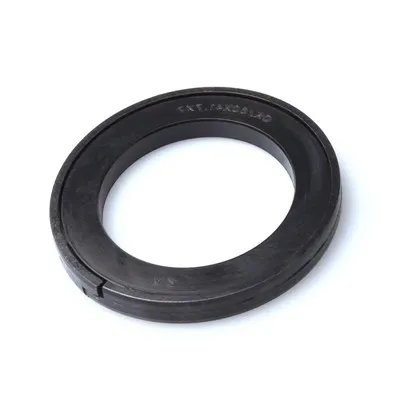
Oil seals are used to protect shafts and bearings from ingress of dirt and foreign matter and egress of oil or grease. An oil seal generally consists of an outer circular metal part and an inner flexible member that does the actual sealing and is bonded to the metal part by chemical adhesive agents.An oil seal has two tasks: Keeping the lubricant in and keeping dirt and contaminants out of rotating components. This separation must be accomplished between surfaces in relative motion, usually a shaft or bearing inner ring and a housing. With correct installation, oil seals can also prevent seal leakage and maintain the lubricity of a bearing to ensure that the rotary shaft and its bearings remain fully functional.




Low levels of friction
The lubrication within the seal ensures that the seal lip does not come into contact with the rotary shaft, eliminating the risk of burning or wear.
Compact size and lightweight
Oil seals possess a small and lightweight design, which belies their strong endurance capabilities.
Reliable, rugged performance
Even under harsh conditions or extreme temperatures, these durable components will maintain their seal.
Simple construction
Easy to handle and assemble, oil seals only take a matter of minutes to replace as technicians do not have to take a machine apart.
Versatility
Standard lip seals are best for applications within dry environments, or those lacking lubrication. Oil seals can act as an alternative with increased functionality.
An oil seal serves three crucial purposes within any machinery. First, it prevents the leakage of lubricants or fluids outside the seal, even under high pressure. This function ensures the effective operation of equipment, as sufficient lubrication is a key requirement for the smooth functioning of machinery. Second, it retains the lubricating oil within the machinery. This retention function reduces the need for constant maintenance or re-lubrication, saving time and resources. Third, the oil seal acts as a barrier against contaminants. It prevents dirt, dust, and other potential contaminants from entering the machinery, protecting sensitive parts from damage or wear.
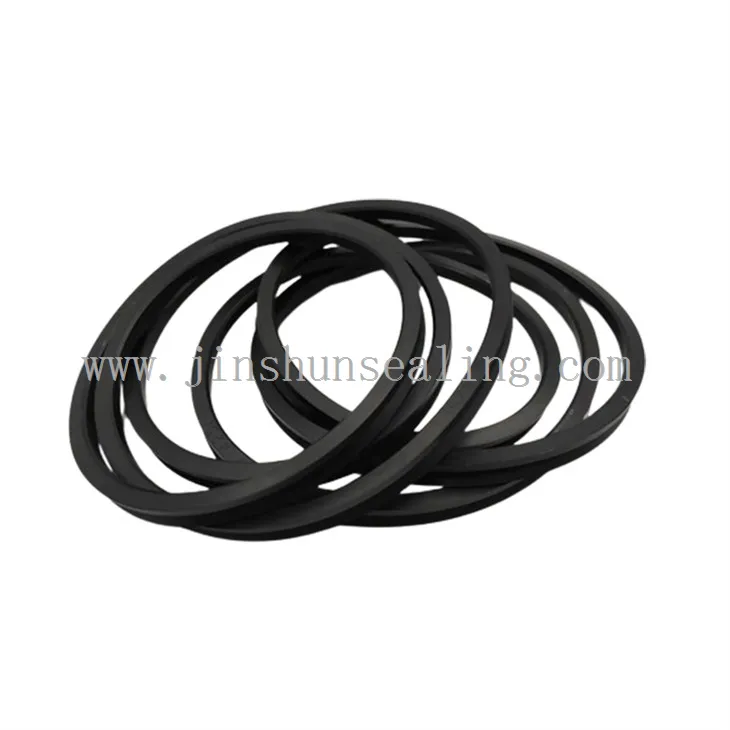
Metal Cased Oil Seals
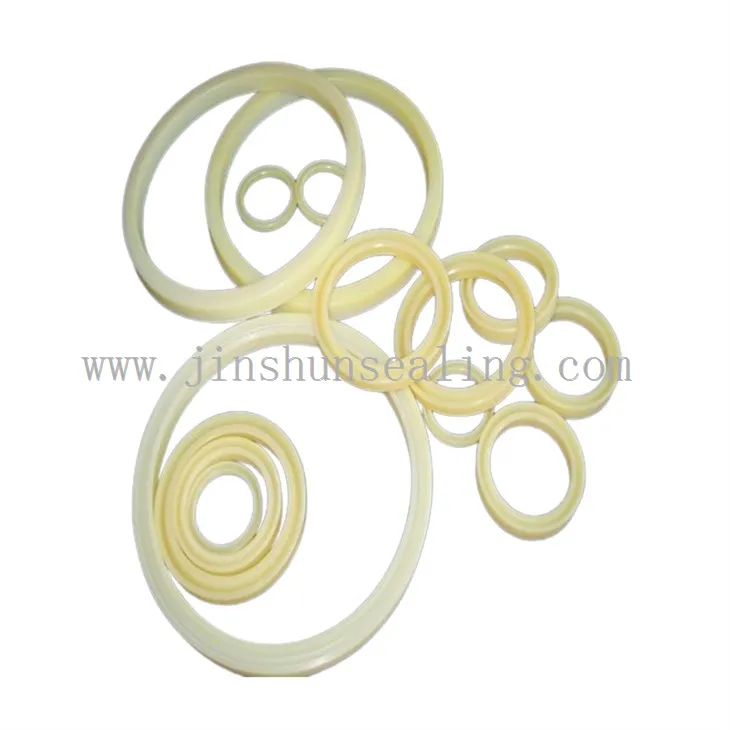
Metal-cased oil seals are used when installed to a housing bore made of the same material. This allows for equal contraction and expansion of the materials during operation, preventing leakage from occurring. Typically metal-cased seals are more cost efficient than rubber seals.
Rubber Cased Oil Seals
Rubber-cased oil seals are the most common oil seal execution, used when a metal-cased seal has the potential to fail (for example because of thermal expansion). Oil seals with a rubber case cannot rust, in contrast to oil seals with metal cases. Moreover, oil seals with a rubber case can seal a lightly damaged housing much better than metal cased oils seals. In high temperatures and high pressures, fast expanding rubber can provide a tight fit and more stable sealability.
Common Materials For Oil Seals
Nitrile Buna-N 70
NBR is compatible with numerous environmental conditions and is also relatively cost-efficient, which makes it one of the most popular and best-suited materials for the industry. Nitrile works well in the -30°to 250°F range and when exposed to anything from water and hydraulic fluids to gas, silicone, vegetable, or animal oils.
Fluoropolymer
FKMs, or Viton®, are perfect for high-temperature applications up to approximately 400° F. Additionally, they feature low compression characteristics. Seals of this material are highly resistant to solvents, gas, and petroleum or transmission oils, so they are a good fit for applications around these materials.
Silicone
Vinyl-methyl-silicones (VMQs) maintain performance in temperatures from -140° to 392° F. In addition, silicone is resistant to adverse weather conditions, light, and ozone. The healthcare and food industry sectors, as well as pneumatic and hydraulic systems, often use silicone.
Polyacrylate
Polyacrylate is a good combination of quality and cost benefits. It is highly resistant to oxidation and heated oil, withstanding temperatures from -25°F to 300°F. This material has applications in vehicle transmissions, shaft seals, O-rings, and more.
Components of Oil Seals
Sealing Element
The sealing element, also known as the sealing lip, forms the interior of the oil seal. Various materials can make up the lip depending on the application's specific needs. Below are some commonly used materials:Nitrile Rubber (NBR): This is the most frequently used material for sealing elements, boasting good heat resistance properties and resistance to salt solutions, oils, hydraulic oils, and gasoline. Its recommended operating temperature range is from -40 to 248°F (-40 to 120°C). Nitrile functions adequately in a dry environment but only for intermittent periods.
Metal Case
The metal case serves as the oil seal's exterior or frame, providing rigidity and strength to the seal. The case material selection depends on the environment in which the seal will operate. Often, the same rubber material used in the seal element covers the case to help seal the exterior of the oil seal in the housing bore.
Garter Spring
When included, the garter spring applies pressure to the sealing lip against the shaft, ensuring a tight seal. The choice of material, like that of the case, largely depends on the environment of use.Garter springs are generally used when the lubricant is oil, as it provides the necessary downward force to maintain a tight seal. However, when grease is the lubricant, garter springs can often be eliminated. Due to its low viscosity, grease doesn't require as much downward force to maintain an effective seal.
Type
The combination of lip design and case type you select will determine the overall design of the oil seal.
Shaft Diameter
The outside diameter of the shaft where the seal will operate (sometimes referred to as the I.D. of the oil seal).
Bore Diameter
The inside diameter of the bore housing where the seal will operate (sometimes referred to as the O.D. of the oil seal).
Width
The thickness or width of the oil seal is another critical dimension that impacts the fit and functionality of the oil seal.
Sealing Material
The material used in the seal lip should be resistant to the operating temperature range, chemicals, lubricants, and pressures in your application.
Environmental Factors
Consider external factors such as exposure to dirt, water, and other contaminants, temperature fluctuations, chemical exposure, and shaft speed. For example, oil seals that must withstand high-speed rotational motion, high-pressure conditions, or extreme temperatures require more durable and resilient materials.
Lubrication
The lubrication used in the application will affect the choice of sealing material. The material must be compatible with the lubricant to prevent degradation and ensure the seal’s longevity.
Spring Material
The choice of garter spring material is also crucial as it must resist environmental factors such as exposure to water, chemicals, etc.
Application Requirements
The specific requirements of your application are critical to making the right choice. For example, if the seal is for a food processing machine, it must meet FDA standards.
How to Install Oil Seal
Preparation
Before fitting the oil seal, it is essential to check that the oil seal, shaft and bore are clean and undamaged. The surfaces the oil seal will come into contact with must be free of sharp points or burrs. The sealing lip is fragile, so even minimal damage can cause a leak. It is also important that the shaft and bore are correctly finished.
Prepare the shaft and prevent damage
To install an oil seal properly, the shaft must be undamaged. This is so the oil seal can do its job properly on the one hand, and to prevent it from being damaged during fitting on the other. In addition, it is very important to lubricate the shaft, the sealing lip and the bore with plenty of grease. This will allow the oil seal to slide more easily over the shaft and prevent dry running after the first rotation. The oil seal may also come into contact with the keyway, thread or other grooves when sliding over the shaft. By taping or covering the shaft at the location of these irregularities with oil-soaked paper, the oil seal can be mounted without damage to the sealing lip.
Fitting an oil seal
Always start by making sure the oil seal is facing the right direction. The oil seal must be positioned with its spring to the side of the medium to be sealed. The oil seal must then be pressed into the bore. It must fit tightly (H8 in the groove is recommended). Use appropriate tools for this, such as an impact socket set, to ensure that the force is applied evenly during pressing. The oil seal must never be hammered into the bore with brute force, but eased in.
How Oil Seals Play an Important Role in Industrial Applications
Improved equipment performance
Oil seals help to maintain the proper level of lubrication in machinery, which is essential for optimal performance. By preventing leaks, oil seals ensure that machinery operates smoothly and efficiently.
Reduced maintenance costs
When machinery leaks oil or other fluids, it can cause damage to other components and lead to costly repairs. Oil seals help to prevent these types of problems, reducing the need for maintenance and repair.
Increased lifespan of machinery
By preventing leaks and reducing wear and tear on machinery, oil seals can extend the lifespan of equipment. This can save companies money in the long run by reducing the need for replacement or repairs.
Improved safety
Leaking fluids can pose a safety hazard in industrial settings. Oil seals help to prevent these types of accidents, ensuring that workers are safe while operating machinery.
A method of manufacturing an oil seal comprising the steps of:
Placing two elastomeric materials for forming a sealed liquid side of a sealing lip portion of an oil seal and an atmospheric side thereof in a superposed condition within a mold for vulcanization molding the oil seal, one of said elastomeric materials having a lower modulus of elasticity than the other elastomeric material.
Forming a sealed liquid side surface of said sealing lip portion by clamping said mold and compressing said elastomeric materials during vulcanization molding of said elastomeric materials into an integral structure while allowing a surplus portion of said elastomeric material having a lower modulus of elasticity to remain on the atmospheric side of said sealing lip portion.
Taking the oil seal from said mold:
Forming an atmospheric side surface of said sealing lip portion by cutting off said surplus portion of said elastomeric material on the atmospheric side of said sealing lip portion after compression during the vulcanization molding so that a first relatively soft sliding surface is formed on the sealed liquid side of said sealing lip portion by said elastomeric material having a lower modulus of elasticity and a second sliding surface is formed on the atmospheric side of said sealing lip portion by said other elastomeric material.

How to Maintain Oil Seals
Regular Lubrication
Ensuring adequate lubrication will minimize friction and prevent wear and tear on the seal. Use only compatible lubricants as per the seal material to avoid chemical erosion.
01
Routine Inspections
Schedule regular inspections of the oil seals to spot any signs of failure, such as leakage, hardening, or visible wear. Catching issues early can prevent minor problems from escalating into significant failures.
02
Proper Cleaning
Dirt, grime, and debris can damage the sealing surface, leading to leaks. Regular cleaning of the seal and surrounding areas can help prevent this.
03
Monitor Operating Conditions
Keep track of pressure levels, temperatures, and shaft speed. Excessive fluctuations can signal something wrong and potentially harm the oil seal.
04
Replacement
Even with impeccable maintenance, oil seals won’t last forever. Understanding the typical lifespan of the oil seal type and material used in your machinery will help you plan for timely replacements.
05
Our Factory
We are a major rubber sealing products manufacturer with advanced research and development, manufacturing, and sales. We have approved the Quality and Environment System ISO9001:2015 and ISO 14001:2015.Our products are extensively applied to Food and Drinking Water Sanitary and bathing products, electronic and electric appliances hardware and machinery Auto parts, etc.We are professionally specialized in rubber O-rings, Y-seals, Shower gaskets, RO membrane seals, Silicone tubes, and other industries' customized rubber parts.To further increase the quality, all of the raw materials meet the ROHS, REACH, and PAHS, and most of our products have been approved by the NSF, FDA, LFGB, ACS, KTW-W270, WRAS, and UL.
Certificate


FAQ
As one of the most professional oil seals manufacturers and suppliers in China, we're featured by quality products and good service. Please rest assured to buy customized oil seals at competitive price from our factory.
silicone oil seals, low leakage oil seals, dusty environment oil seals