


Rubber Seals
Why Choose Us
Our certificate
We have approved the Quality and Environment System ISO9001:2015 and ISO 14001:2015.all of the raw materials meet the ROHS, REACH, and PAHS, and most of our products have been approved by the NSF, FDA, LFGB, ACS, KTW-W270, WRAS, and UL.
Advanced Equipment
We have advanced production equipment and testing equipment such as automatic feeding machines, automatic packaging machines, injection molding machines, automatic feeding machines, automatic sorting machines, intelligent cutting machines, perform machines, etc.
Quality Control
After completion of manufacturing, the sealing ring needs to undergo appearance inspection, dimensional inspection, pressure test, media resistance test, air tightness, hardness, tensile strength, elongation, tearing performance, compression deformation under high and low temperatures, aging resistance, Water resistance, corrosion, and other inspection items to ensure that the quality meets standard requirements.
Quality customer service
Our dedicated team is always ready to answer your questions, provide you with detailed information about our products and guide you in your choice. We understand that every customer is unique.
What is Rubber Seals
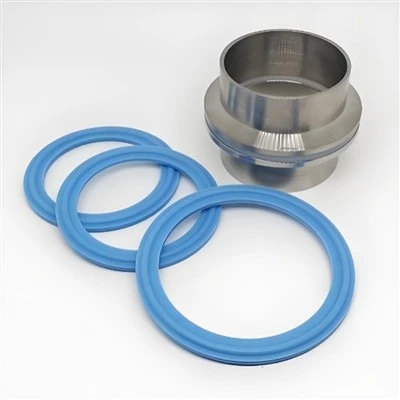
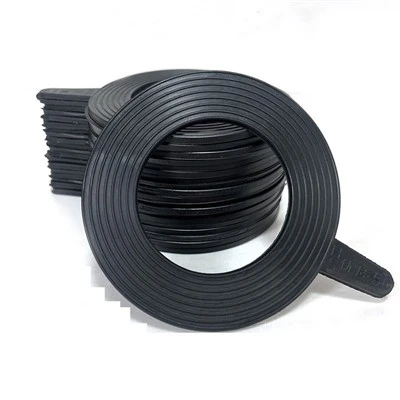
Rubber seals are used in numerous industries to prevent the unwanted leakage of liquids and gases in various components such as pumps, valves, pipe fittings, and vacuum seals, to name only a few. However, all seals are not created equally. Rubber seal design consists of several elements to ensure that the seal delivers optimal performance in the given environment.




Benefits of Rubber Seals
Temperature Resistance
Rubber seals can withstand extreme temperatures and variations. For instance, silicon rubber seals will withstand temperatures as low as -100 degrees Celsius and up to 310 degrees Celsius. The wide range makes rubber seals ideal for applications with massive temperature swings.Rubber seals will remain functional despite temperature variations and mold to the contours of the groove. The seals offer a high degree of flexibility and adapt to the pressure without breaking apart. Rubber seals also retain flexibility at low temperatures.
Comparative Durability
Rubber is more durable than other materials and forms an impervious airtight and watertight seal. More importantly, rubber is flexible and provides resistance in proportion to the pressure applied. Rubber seals also maintain integrity for a longer duration.Although there are breaking points to how long rubber seals will last under pressure, they are more impressive than other options and require less frequent replacement. Rubber will last longer than polyurethane, polyacrylate, and FEP seals.
Highly Malleable
Rubber is easy to mold into different sizes and shapes used in a wide range of applications. O rings, U rings, and V rings are popular examples of rubber seals. Others are rotary oil seals, spring-installed seals, bearing isolators, and clearance seals.Because of their malleability, rubber seals are a popular choice in many industries. Manufacturers can order custom rubber seals molded for specific grooves and glands, and the material offers a versatile solution for different situations.
Less Toxic
Most types of rubber seals are non-toxic in the environments they work. Rubber won't compromise the grooves or other components it contacts. It also won't degrade under heat, ethylene oxide, electron beams, steam autoclaving, or gamma radiation sterilization.The non-toxic nature of rubber seals and compatibility with different sterilization procedures makes them ideal for food, pharmaceuticals, and drug industries. What' more, rubber doesn't impact odor or flavor.
More Compatible
Rubber is compatible with many materials and can complement other substances to improve the seal' integrity. Rubber treatment can improve compression capabilities, tolerance to extreme temperatures, and overall longevity, and also prevent seal failure.In addition to working with other sealant materials, rubber seals have varying properties to suit different applications and equipment. Rubber seals and gaskets offer comprehensive solutions in their applications and are more efficient than other options.
Different Grades and Colors
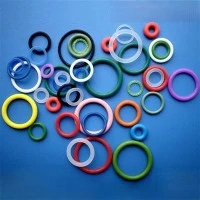
Rubber seals come in different grades, such as soft rubber, hard rubber, and everything in between. Some options, like thin gauge gasket sheets, are ideal for specialized application, while others are for general use.Rubber seals also exist in many color options. Some applications may require a different color for safety indication, but the coloration is mainly for aesthetic appeal and commercial or retail use.
What are the Applications of Rubber Seals


Automotive Industry
Rubber seals play a crucial role in the automotive industry, where they are used in various applications. They are commonly found in door and window seals, trunk and hood seals, weatherstripping, and gaskets. Rubber seals help to maintain a watertight and airtight barrier, preventing water, dust, noise, and air leaks. They contribute to the overall comfort, safety, and performance of vehicles.
HVAC Systems
Heating, ventilation, and air conditioning (HVAC) systems rely on rubber seals to ensure proper functioning and energy efficiency. Rubber seals are used in ductwork, pipe connections, and equipment joints to prevent air leaks and maintain optimal insulation. They help to regulate airflows, prevent heat loss, and reduce energy consumption in residential, commercial, and industrial HVAC systems.
Electrical and Electronics
Rubber seals are employed in electrical and electronic applications to provide protection against moisture, dust, and other environmental contaminants. They are used in cable and wire harnesses, connectors, switches, and control panels. Rubber seals help to maintain electrical insulation, prevent short circuits, and enhance the durability and reliability of electrical and electronic components.
Plumbing and Pipe Connections
Rubber seals are commonly used in plumbing and pipe systems to ensure leak-free connections. They are employed in pipe joints, fittings, valves, and faucets. Rubber seals provide a watertight seal, preventing leaks and minimizing the risk of water damage. They are resistant to water, chemicals, and temperature variations, making them suitable for diverse plumbing applications.
Industrial Machinery
Rubber seals find extensive use in industrial machinery to maintain the integrity and efficiency of equipment. They are utilized in pumps, compressors, turbines, valves, and hydraulic systems. Rubber seals provide a tight seal, preventing the leakage of fluids, gases, and lubricants. They help to reduce friction, improve performance, and protect against contamination and wear.
Aerospace and Aviation
Rubber seals play a critical role in the aerospace and aviation industries, where they are exposed to extreme conditions and stringent safety requirements. They are used in aircraft engines, fuel systems, landing gear, windows, doors, and other critical components. Rubber seals ensure reliable sealing in high-pressure and high-temperature environments, contributing to the safety and performance of aircraft.
Types of Rubber Seals
O-ring
O-ring is a common rubber sealing ring, which is mainly used for static sealing and dynamic sealing. Because of its circular cross-section and good elasticity and sealing properties, it is widely used in hydraulic systems, pneumatic systems and other fields. The advantages of O-rings include good sealing performance, high wear resistance, high temperature resistance and chemical corrosion resistance. However, disadvantages include sensitivity to pressure fluctuations and greater friction at low speeds.
Y-shaped sealing ring
Y-shaped sealing ring is a rubber sealing ring suitable for high-pressure hydraulic systems. It has good wear resistance and high-pressure resistance. Compared with O-type sealing rings, Y-type sealing rings have a larger contact area and can provide better sealing effects. In addition, the Y-shaped sealing ring also has good guidance and stability, and can maintain good sealing performance under high-speed movement.
V-shaped sealing ring
The V-shaped sealing ring is a rubber sealing ring suitable for axial action without pressure sealing. It can prevent internal grease or oil from leaking to the outside, and at the same time prevent the intrusion of external splashing water or dust. The V-shaped sealing ring has good guidance and self-tightening performance, and can maintain a good sealing effect during axial movement. In addition, the V-shaped sealing ring also has good wear resistance and chemical corrosion resistance.
Rubber Seal Material
EPDM
Ethylene propylene diene monomer, also known as EPDM, is an extremely versatile synthetic rubber. EPDM is commonly used for seals found in outdoor environments because the compound is built to endure wear and aging from ozone, sunlight, water, and other naturally-occurring factors. Those benefits combine with EPDM being lightweight, compressible and easy to die cut to make it a cost-effective rubber material for door seals and other external applications.
Silicone
Silicone is another synthetic rubber, but this particular compound is manufactured for high-temperature applications. This particular material readily handles both hot and cold environments, with an operating temperature range of -150 degrees to 480 degrees Fahrenheit. Silicone also possesses good compression set and rebounding characteristics, making it a good choice for die cut, extruded, or molded seals.
Neoprene and Nitrile
Both Neoprene and Nitrile are both extremely useful materials for applications dealing with oil. Each material is made to handle oil, ozone, acids, and other difficult substances. However, the choice between Neoprene and Nitrile differs in terms of expected exposure to oils. Neoprene is made to handle intermittent exposure to oil and fuel, whereas Nitrile is best for seals that are constantly exposure or places where the oil is extremely concentrated.
Viton
Viton was originally made for the aerospace industry in 1957 and is still used to this fay as high-performance elastomer for extremely hot and corrosive environments. This material combines excellent resistance to chemicals with high tensile strength and low compression set. Those combination make is a good sealing choice for environments with temperatures up to 400 degrees Fahrenheit, or for intermittent use up to 600 degrees.
Flexible PVC
If you need an extruded seal, PVD is a possible solution. PVC is strong, lightweight, and durable, offering resistances to weather, oils, greases, and chemicals. Another advantage of PVC is that it can be co-extruded into dual durometer parts, making it a natural fit for car door seals and other parts that slide into place.
ManniGlas and FiberFrax
When silicone and other materials aren't enough for your high-temperature applications, both ManniGlas and FiberFrax are specialty options for seals. Both materials are made from compressed fiber materials and can withstand temperatures of more than 1,000 degrees Fahrenheit for ManniGlas and 2,450 degrees for FiberFrax with special additives.
How to Choose Rubber Seals
Dimensional requirements
To provide a proper seal, the O-ring needs to be compressed between the mating surfaces. The deformation caused by this compression is what prevents fluid leakage. To achieve the proper compressive force and deformation, the cross section of the O-ring needs to be sufficiently larger than the gland depth.As the two mating surfaces press together, the O-ring seal compresses axially and exerts an equal and opposite force at the top and bottom ends of the seal. If the O-ring is too small, the seal may not compress when the surface come together. On the other hand, an O-ring that is too large will over pack the gland and disrupt the connection between the mating surfaces.
Friction
Friction considerations are essential in dynamic applications – in situations that involve relative movement between the mating surfaces.In reciprocating applications, these movements can generate frictional forces which may cause failure due to abrasion or extrusion and successive nibbling of the seal. In rotary applications, friction may generate excessive heat and seal expansion due to the Joule effect. In both of these applications, proper groove design, along with appropriate lubrication and speed of operation can help to avoid these issues. Silicone and related materials such as Fluorosilicone, liquid silicone rubber, and medical grade silicone are often avoided in dynamic applications due to their low abrasion/tear resistance.
Temperature
Long-term exposure to excessive heat can cause inappropriate rubber seals materials to deteriorate physically or chemically over time. Excessively high temperatures can cause specific materials to swell and harden, resulting in permanent deformation. Conversely, overly cold temperatures may cause material shrinkage and result in leakage due to loss of seal contact, or insufficient compressive force due to stiffening of the rubber compound.Therefore, the appropriate seal material should be selected to withstand the expected temperature ranges of the environment. The length of exposure should also be considered. For example, would the temperatures be sustained in short intervals or at sustained levels?
Pressure
Differential pressures tend to push rubber seals (o-rings) to the low-pressure side of the gland causing it to distort against the gland wall. This action blocks the diametrical gap between the mating surfaces and results in the formation of a positive seal. Excessively high pressures can cause softer O-ring materials to extrude into the diametrical gap resulting in permanent seal failure and subsequent leakage. To avoid this situation, seal materials that operate optimally within the expected temperature range should be selected.
Chemical compatibility
One of the most critical considerations for rubber seals design and material selection is determining the material' resistance to exposure to specific chemicals. Some fluids can react negatively with certain materials while having little to no effect on another. For example, Nitrile is highly resistant to petroleum-based oils and fuels, while the use of Butyl is avoided in applications with exposure to petroleum and other hydrocarbon-based solvents due to its poor resistance.
Resistance to Extreme Temperatures
Rubber Seals are high-performance elastomers that are often used in outdoor environments due to their outstanding resistance to extreme temperatures, ozone, and weathering elements.
Flexible
Rubber Seals has low-temperature flexibility, unlike other elastomers. It doesn't freeze or crack at low temperatures.
Waterproof
It doesn't give out or break down when exposed to water.
Resistance to the Elements
Rubber Seals have outstanding resistance to externally occurring elements such as chemicals, water, fire, fungal growth, ozone, heat, and aging. It is also immune to ozone or UV attacks.
Shrink-proof
Rubber Seals have outstanding tensile strength, elongation, tear strength, and compression set. The all-around versatility and long service life of silicone make it great for a wide variety of applications.
Process of Rubber Seals
Step 1: Compounding
The custom rubber seal manufacturing process begins with compounding, where raw rubber material is combined with various additives and fillers to achieve the desired properties. These additives may include curing agents, accelerators, and reinforcing agents that enhance strength and durability.
01
Step 2: Molding
Molding is crucial in shaping the rubber material into the desired seal design. Various molding techniques include compression, transfer, and injection molding. During molding, the rubber compound is subjected to heat and pressure, causing it to take on the shape of the mold cavity.
02
Step 3: Vulcanization
Vulcanization, also known as curing, chemically cross-links the rubber molecules to enhance the material's strength, elasticity, and resistance to environmental factors. This is typically achieved through heat and the addition of curing agents.
03
Step 4: Deflashing And Finishing
After vulcanization, excess rubber or flash is removed from the molded seals. This ensures that the final product meets dimensional and aesthetic requirements. Finishing steps may include trimming, buffing, and surface treatments.
04
Step 5: Quality Control
Thorough quality control measures ensure the manufactured rubber seals meet the specified standards. This includes dimensional checks, visual inspections, and testing for hardness, tensile strength, and chemical resistance.
05
What are The Three Molding Methods of Rubber Seals?
Rubber seals are molded
Rubber seals are commonly used to make rubber products with complex shapes such as leather bowls and sealing rings by moulding method. With the help of moulding Yin and Yang molds, the rubber material is placed in the mold and heated.
Injection molding
Rubber seals are used for more complex rubber products, such as tire tread, rubber hose, high temperature fan wire surface coating needs to be made by injection molding method. It is a method of continuous modeling by putting the mixing glue with certain plasticity into the inner screw of the hopper of the extruder through a variety of mouth shapes, also called samples. The rubber material needs to be preheated before pressing to make the rubber material soft and easy to extrude so as to have a smooth surface and accurate size of rubber products.
Calendering molding
Rubber seals are suitable for the manufacture of simple sheet and plate products. It is to mix rubber through calender pressed into a certain thickness and a width of the film method called calendering molding. Some rubber products such as tires, tape, hose and other textile fiber materials need to be coated with a thin layer of glue on the fiber glue is also called glue or rub glue, glue coating process is generally completed on the calender.
Do-It-Yourself Car Window Rubber Seal Maintenance
Clean the seals
Clean the car window seals regularly with mild soap and water solution. It will remove dirt, grime, and other contaminants.
Inspect the seals
Inspect the seals regularly for cracks, leaks, or other signs of damage. If you find any problem, you should immediately take the necessary steps to repair it.
Apply silicone lubricant
You should apply the recommended silicone lubricant from the manufacturer. Using silicone lubricants will increase flexibility and protect them from elements.
Replace damaged seals
If your automotive window seal has cracks or leaks and you find it beyond repair, you should replace it immediately.
Store your car correctly
When not using it, store it in a dry and covered location. It will protect your vehicle from the elements harmful to rubber seals.
Use sunshades for UV protection
You should ensure your vehicle is safe from harmful UV rays while parking your car. You can use sunshades to protect the seals from direct sunlight and UV radiation.
Avoid extreme temperatures
You should avoid extreme temperatures while parking or storing. It might include sunlight or cold weather.
Our Factory
We are a major rubber sealing products manufacturer with advanced research and development, manufacturing, and sales. We have approved the Quality and Environment System ISO9001:2015 and ISO 14001:2015.Our products are extensively applied to Food and Drinking Water Sanitary and bathing products, electronic and electric appliances hardware and machinery Auto parts, etc.We are professionally specialized in rubber O-rings, Y-seals, Shower gaskets, RO membrane seals, Silicone tubes, and other industries' customized rubber parts.To further increase the quality, all of the raw materials meet the ROHS, REACH, and PAHS, and most of our products have been approved by the NSF, FDA, LFGB, ACS, KTW-W270, WRAS, and UL.
Certificate


FAQ
As one of the most professional rubber seals manufacturers and suppliers in China, we're featured by quality products and good service. Please rest assured to buy customized rubber seals at competitive price from our factory.
Rubber Bumper, Neoprene Gasket Seal