


Can FDA Silicone Hose be used for medical applications?
In the realm of medical applications, the choice of materials is of utmost importance. The safety, reliability, and performance of medical devices can be significantly influenced by the quality of the components used. One such component that has gained considerable attention is the FDA silicone hose. As a supplier of FDA silicone hoses, I am often asked whether these hoses can be used in medical applications. In this blog post, I will delve into this topic and provide a comprehensive analysis.
Understanding FDA Silicone Hose
FDA silicone hoses are made from silicone rubber that complies with the regulations set by the U.S. Food and Drug Administration (FDA). The FDA has strict guidelines regarding the materials that can be used in contact with food, drugs, and medical devices to ensure the safety of consumers. Silicone rubber is a popular choice for many applications due to its excellent properties, such as high temperature resistance, flexibility, chemical stability, and biocompatibility.
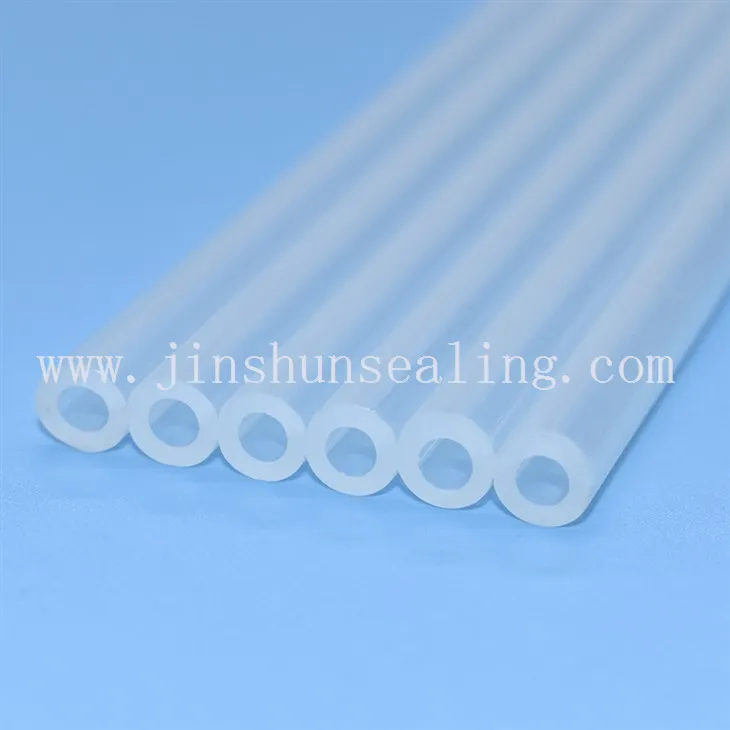

Silicone hoses that meet FDA requirements are typically made from high - quality silicone materials that are free from harmful substances like heavy metals, phthalates, and other toxic chemicals. They are also designed to withstand sterilization processes commonly used in medical settings, such as autoclaving, ethylene oxide sterilization, and gamma irradiation.
Advantages of Using FDA Silicone Hose in Medical Applications
- Biocompatibility
One of the most crucial factors in medical applications is biocompatibility. FDA silicone hoses are highly biocompatible, which means they do not cause adverse reactions when in contact with living tissues. This property makes them suitable for use in various medical devices, such as oxygen delivery systems, intravenous (IV) fluid administration sets, and respiratory equipment. For example, in an oxygen delivery system, the silicone hose can safely transport oxygen from the source to the patient without causing any harm to the patient's respiratory system. - Chemical Resistance
Medical environments often involve the use of various chemicals, such as disinfectants and medications. FDA silicone hoses have excellent chemical resistance, which allows them to maintain their integrity when exposed to these substances. This ensures that the hoses do not degrade or leach harmful chemicals into the medical fluids or gases they are transporting. For instance, in a chemotherapy drug delivery system, the silicone hose can resist the corrosive effects of the drugs, preventing contamination and ensuring the accurate delivery of the medication. - Flexibility and Durability
Silicone hoses are known for their flexibility, which makes them easy to install and maneuver in medical devices. They can be bent and twisted without kinking, ensuring a continuous flow of fluids or gases. Additionally, they are durable and can withstand repeated use and mechanical stress. This is particularly important in medical applications where hoses may be subject to frequent handling and movement. For example, in a peristaltic pump used for fluid transfer in a laboratory or medical facility, the flexible and durable silicone hose can withstand the squeezing action of the pump without losing its shape or function. - Transparency
Many FDA silicone hoses are transparent, which allows medical professionals to visually inspect the flow of fluids or gases inside the hose. This is especially useful in applications where it is necessary to monitor the level of fluids, detect air bubbles, or observe the color and clarity of the transported substances. For example, in an IV fluid administration set, the transparency of the silicone hose enables nurses to easily check for any blockages or irregularities in the fluid flow.
Specific Medical Applications of FDA Silicone Hose
- Respiratory Therapy
In respiratory therapy, FDA silicone hoses are widely used in devices such as ventilators, oxygen concentrators, and nebulizers. These hoses are responsible for delivering oxygen and other respiratory gases to patients. The biocompatibility and flexibility of the silicone hoses ensure that the patients receive a safe and comfortable supply of gases. For example, in a ventilator, the silicone hose connects the ventilator machine to the patient's airway, providing a reliable pathway for the exchange of gases. - Surgical Procedures
During surgical procedures, silicone hoses are used in various applications, such as suction systems and irrigation systems. The suction hoses are used to remove fluids and debris from the surgical site, while the irrigation hoses are used to deliver sterile solutions for cleaning and cooling. The chemical resistance and durability of the silicone hoses make them suitable for these critical applications. For instance, in a laparoscopic surgery, the silicone hoses can be used to connect the suction and irrigation devices to the surgical instruments, ensuring a clean and efficient surgical environment. - Laboratory Equipment
In laboratories, FDA silicone hoses are used in a variety of equipment, such as peristaltic pumps, chromatography systems, and cell culture devices. These hoses are used to transfer liquids and gases in a controlled and precise manner. The transparency of the silicone hoses allows researchers to monitor the flow and quality of the substances being transferred. For example, in a peristaltic pump used for cell culture media transfer, the silicone hose can accurately deliver the media to the culture vessels, ensuring the growth and viability of the cells.
Considerations When Using FDA Silicone Hose in Medical Applications
- Proper Sizing
It is essential to select the correct size of the silicone hose for the specific medical application. The inner diameter (ID) and outer diameter (OD) of the hose should be carefully chosen to ensure the proper flow rate and pressure of the fluids or gases. For example, if a hose with a too - small ID is used in an IV fluid administration set, it may restrict the flow of the fluid, leading to inaccurate dosing. You can find a variety of sizes of FDA silicone hoses on our website, including Clear Silicone Hose, 15mm Id Silicone Hose, and 7mm Silicone Hose. - Sterilization and Cleaning
Proper sterilization and cleaning procedures must be followed to ensure the safety and effectiveness of the silicone hoses in medical applications. Different sterilization methods may have different effects on the properties of the silicone, so it is important to choose the appropriate method based on the specific requirements of the application. After each use, the hoses should be thoroughly cleaned to remove any residues or contaminants. - Compliance with Standards
In addition to FDA compliance, medical silicone hoses may also need to meet other international standards, such as ISO 10993 for biological evaluation of medical devices. It is important to ensure that the hoses used in medical applications comply with all relevant standards to guarantee their safety and quality.
Conclusion
In conclusion, FDA silicone hoses can indeed be used for medical applications. Their biocompatibility, chemical resistance, flexibility, durability, and transparency make them an ideal choice for a wide range of medical devices and procedures. However, it is crucial to carefully consider factors such as proper sizing, sterilization, and compliance with standards when using these hoses in medical settings.
As a supplier of FDA silicone hoses, we are committed to providing high - quality products that meet the strict requirements of the medical industry. If you are interested in purchasing FDA silicone hoses for your medical applications, please feel free to contact us for more information and to discuss your specific needs. We look forward to the opportunity to work with you and contribute to the success of your medical projects.
References
- "Silicone Elastomers in Medical Devices" by ASTM International
- "Biocompatibility of Medical Materials" by CRC Press
- "FDA Regulations for Medical Devices" by U.S. Food and Drug Administration