



Can rubber gaskets be used in electrical applications? That's a question I get asked a lot as a rubber gaskets supplier. Let's dive right in and explore this topic in detail.
The Basics of Rubber Gaskets
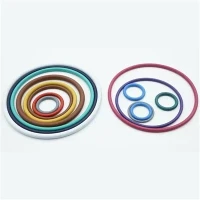
First of all, for those who aren't too familiar, rubber gaskets are basically seals made from rubber materials. They come in all shapes and sizes, from tiny ones you might use in a wristwatch to huge ones for industrial machinery. These gaskets are super versatile. They can prevent leaks, reduce vibrations, and even act as insulators.


One of the great things about rubber is its flexibility. It can be easily molded into different forms to fit various applications. Whether you need a circular gasket, a square one, or something more custom - shaped, rubber can usually get the job done. And we have a wide range of rubber options available, including natural rubber, silicone rubber, neoprene, and more. Each type has its own unique properties, which makes them suitable for different purposes.
Rubber Gaskets in Electrical Applications
Now, let's talk about using rubber gaskets in electrical applications. The answer is a big yes! Rubber gaskets are actually quite commonly used in the electrical world.
Insulation
One of the main reasons is insulation. Electricity can be dangerous, and it's crucial to make sure that it stays where it's supposed to and doesn't leak out. Rubber is a great electrical insulator. It has high resistivity, which means it doesn't allow electricity to pass through easily. This property makes rubber gaskets perfect for creating a barrier between electrical components and the outside environment.
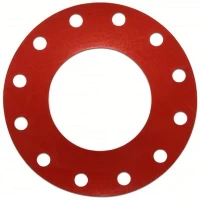
For example, in electrical enclosures that house circuit breakers or control panels, rubber gaskets are used to seal the doors and access points. This not only keeps out dust and moisture but also prevents electrical shock hazards. If you're interested in a good - sized gasket for such an application, our 4.5 Inch Rubber Gasket could be a great option. It provides a reliable seal and excellent insulation.
Sealing and Protection
Another important aspect is sealing. Electrical equipment often needs to be protected from environmental factors like moisture, dirt, and dust. Rubber gaskets can create a tight seal around electrical connections, switches, and other components. This helps to prevent corrosion and short - circuits caused by the intrusion of foreign substances.
In outdoor electrical installations, such as streetlights or power distribution boxes, rubber gaskets play a key role. They keep water from seeping inside and damaging the electrical parts. Our 25mm Rubber Gasket is a great choice for these kinds of applications. It's made from high - quality rubber that can withstand the elements and provide long - term protection.
Vibration Damping
Electrical devices can sometimes generate vibrations, especially if they have moving parts like motors. These vibrations can cause damage to the components over time. Rubber gaskets can act as vibration dampers. They absorb and dissipate the energy from the vibrations, reducing the stress on the electrical parts.
In some electronic devices, like audio equipment or computer servers, small rubber gaskets or Small Black Rubber Washers can be used to isolate the components from vibrations. This helps to improve the performance and lifespan of the equipment.
Considerations When Using Rubber Gaskets in Electrical Applications
While rubber gaskets are great for electrical applications, there are a few things to keep in mind.
Temperature Resistance
The temperature can have a big impact on the performance of rubber gaskets. In electrical applications, heat is often generated. Some types of rubber may start to degrade or lose their elasticity at high temperatures. So, it's important to choose a rubber material that can withstand the temperature range of the specific electrical application. Silicone rubber, for example, has excellent high - temperature resistance, making it a good choice for applications where heat is a concern.
Chemical Compatibility
Electrical systems may be exposed to different chemicals, such as cleaning agents or lubricants. Rubber gaskets need to be chemically compatible with these substances. If the rubber reacts with the chemicals, it can lead to swelling, cracking, or other forms of deterioration. Before using a rubber gasket, it's a good idea to check its chemical compatibility with the environment it will be in.
Our Rubber Gasket Offerings
As a rubber gaskets supplier, we take pride in offering high - quality products for electrical applications. We have a large inventory of different sizes, shapes, and rubber materials. Whether you need a standard gasket or a custom - made one, we can help.
We also provide technical support to help you choose the right gasket for your electrical project. Our team of experts can answer your questions and offer advice on things like temperature resistance, chemical compatibility, and installation.
Conclusion and Call to Action
So, to sum it up, rubber gaskets can definitely be used in electrical applications. They offer insulation, sealing, and vibration damping properties that are essential for electrical equipment. Whether you're working on a small DIY project or a large industrial installation, rubber gaskets can play a crucial role.
If you're in the market for rubber gaskets for your electrical applications, we'd love to hear from you. We can provide you with the best products at competitive prices. Feel free to reach out to us to discuss your specific needs and start the procurement process.
References
- Electrical Insulation Materials Handbook, published by an industry expert.
- Rubber Technology and Applications, a well - known textbook on rubber materials.