


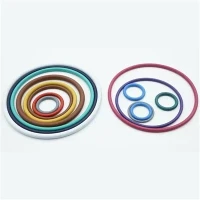

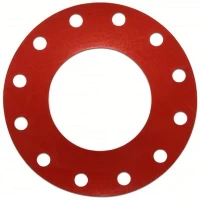

Unitized seals are specialized sealing solutions designed to provide a comprehensive and integrated approach to sealing applications. As a trusted unitized seal supplier, I've witnessed firsthand the versatility and effectiveness of these seals, especially when it comes to pump systems. In this blog, we'll explore whether unitized seals can be used in pumps, delving into their features, advantages, and considerations.
Understanding Unitized Seals
Unitized seals are engineered by combining multiple sealing elements into a single, pre - assembled unit. This design eliminates the need for separate installation of individual components, which can save time and reduce the risk of installation errors. They typically consist of a sealing lip, a garter spring, and a metal case, all working in harmony to create a reliable seal.
Can Unitized Seals Be Used in Pumps?
The short answer is yes, unitized seals can definitely be used in pumps. Pumps come in various types, including centrifugal pumps, positive displacement pumps, and diaphragm pumps, each with its own set of sealing requirements. Unitized seals are well - suited to meet these diverse needs for several reasons.
1. Leakage Prevention
One of the primary functions of a pump seal is to prevent the leakage of the pumped fluid. Unitized seals are designed to provide an excellent barrier against leakage. The sealing lip is made of high - quality elastomers that can conform to the shaft surface, creating a tight seal. The garter spring ensures that the lip maintains constant contact with the shaft, even under varying operating conditions such as pressure fluctuations and shaft misalignment. This consistent contact helps to prevent any fluid from escaping the pump, which is crucial for maintaining the efficiency and safety of the pumping system.
2. Resistance to Wear and Tear
Pumps often operate under harsh conditions, with the pumped fluid containing abrasive particles or chemicals. Unitized seals are built to withstand these challenges. The elastomers used in the sealing lip are selected for their resistance to wear, tear, and chemical attack. For example, in applications where the pump handles corrosive chemicals, seals made from materials like Viton or EPDM can be used. These materials can resist the chemical action of the fluid, ensuring a long service life for the seal and reducing the frequency of seal replacements.
3. Compatibility with Different Pump Designs
Unitized seals are available in a wide range of sizes and configurations, making them compatible with different pump designs. Whether it's a small, compact pump or a large industrial - scale pump, there is a unitized seal that can fit the application. They can be customized to meet specific requirements, such as different shaft diameters, pressure ratings, and temperature ranges. This flexibility makes unitized seals a popular choice for pump manufacturers and end - users alike.
Applications in Different Types of Pumps
Centrifugal Pumps
Centrifugal pumps are widely used in various industries, including water treatment, chemical processing, and power generation. In centrifugal pumps, unitized seals are used to seal the shaft where it exits the pump casing. The high - speed rotation of the shaft in centrifugal pumps requires a seal that can maintain a tight seal under dynamic conditions. Unitized seals are well - suited for this purpose, as they can adapt to the shaft movement and prevent the leakage of the pumped fluid.
Positive Displacement Pumps
Positive displacement pumps, such as gear pumps and piston pumps, operate by trapping a fixed amount of fluid and then forcing it into the discharge line. These pumps often operate at higher pressures compared to centrifugal pumps. Unitized seals can handle the high - pressure environment in positive displacement pumps. The robust construction of unitized seals, with their metal case and strong sealing lip, can withstand the pressure exerted by the pump and prevent any backflow or leakage.
Diaphragm Pumps
Diaphragm pumps are known for their ability to handle viscous fluids, slurries, and corrosive chemicals. In diaphragm pumps, unitized seals can be used in conjunction with other components such as Diaphragm Pump Valve and Rubber Diaphragm. The seals help to prevent the leakage of the fluid around the diaphragm and other moving parts. They also protect the internal components of the pump from the ingress of contaminants, ensuring the smooth operation of the pump.
Considerations When Using Unitized Seals in Pumps
1. Operating Conditions
Before selecting a unitized seal for a pump, it's important to consider the operating conditions. This includes factors such as the temperature, pressure, and the nature of the pumped fluid. For example, if the pump operates at high temperatures, a seal made from a high - temperature - resistant elastomer should be selected. Similarly, if the fluid is highly viscous, the seal design may need to be adjusted to ensure proper sealing.


2. Installation
Proper installation of unitized seals is crucial for their performance. Incorrect installation can lead to premature seal failure. It's important to follow the manufacturer's installation instructions carefully. This may include cleaning the shaft and housing, applying the correct amount of lubricant, and ensuring that the seal is installed at the correct orientation.
3. Maintenance
Regular maintenance of the pump and the seals is essential for their long - term performance. This includes inspecting the seals for signs of wear, tear, or damage, and replacing them when necessary. It's also important to monitor the operating conditions of the pump, such as temperature and pressure, to detect any potential issues early.
Advantages of Using Our Unitized Seals in Pumps
As a unitized seal supplier, we take pride in offering high - quality seals that are designed to meet the demanding requirements of pump applications. Our seals are manufactured using the latest technology and the highest - quality materials.
1. Customization
We understand that every pump application is unique. That's why we offer customization services to ensure that our unitized seals fit your specific requirements. Whether it's a special size, a unique material, or a specific design, we can work with you to develop a seal that meets your needs.
2. Quality Assurance
We have a strict quality control process in place to ensure that every unitized seal we produce meets the highest standards. Our seals are tested under various conditions to ensure their performance and reliability. This gives you the confidence that our seals will perform well in your pump application.
3. Technical Support
We provide comprehensive technical support to our customers. Our team of experts can help you with seal selection, installation, and maintenance. Whether you have a question about the compatibility of a seal with your pump or need advice on troubleshooting a seal - related issue, we're here to help.
Conclusion
Unitized seals are a reliable and effective solution for sealing pumps. Their ability to prevent leakage, resist wear and tear, and adapt to different pump designs makes them a popular choice in the pump industry. Whether you're a pump manufacturer or an end - user, unitized seals can help you improve the performance and reliability of your pump system.
If you're interested in learning more about our unitized seals or would like to discuss your specific pump sealing requirements, we invite you to contact us. Our team of experts is ready to assist you in finding the right seal for your application. Let's work together to ensure the optimal performance of your pump system.
References
- "Sealing Technology Handbook" by John S. Dixon
- "Pump Handbook" by Igor J. Karassik et al.
- Industry standards and guidelines related to pump seals