


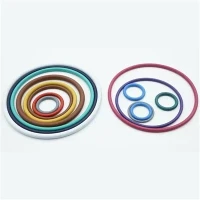

V-seals, also known as vee-packing seals, are a type of sealing solution that has been around for quite some time. As a V-seals supplier, I often get asked whether V-seals can be used in pneumatic systems. In this blog post, I'll delve into this question, exploring the characteristics of V-seals, the nature of pneumatic systems, and the suitability of V-seals for these systems.
Understanding V - Seals
V-seals are named for their distinctive V-shaped cross - section. They are typically made up of multiple sealing rings stacked together, with each ring having a V shape. These seals can be constructed from various materials, including rubber, plastics, and elastomers, each offering different properties such as flexibility, chemical resistance, and temperature tolerance.
The design of V-seals allows them to adapt to different pressures and shaft movements. When installed, the V-shaped rings are compressed, creating a tight seal around the shaft or piston. This design provides excellent sealing performance, even in applications where there are significant variations in pressure and movement.
There are different types of V-seals available, such as V Shaped Seal, Rubber V Seal, and Spring V Seal. V Shaped Seals are the most basic form, offering reliable sealing in a wide range of general applications. Rubber V Seals are known for their flexibility and good resistance to many common fluids. Spring V Seals, on the other hand, incorporate a spring element that helps maintain a constant sealing force, making them suitable for applications with high - pressure fluctuations.
Characteristics of Pneumatic Systems
Pneumatic systems use compressed air to transmit and control power. These systems are widely used in various industries, including manufacturing, automotive, and aerospace. Pneumatic systems offer several advantages, such as simplicity, low cost, and the ability to operate in harsh environments.
In a pneumatic system, the compressed air is used to drive cylinders, valves, and other components. The key requirements for sealing in pneumatic systems include preventing air leakage, maintaining pressure, and withstanding the dynamic movements of the components. Air leakage can lead to a loss of system efficiency, increased energy consumption, and potential malfunctions.
Can V - Seals be Used in Pneumatic Systems?
The answer is yes, V - seals can be used in pneumatic systems, and they offer several benefits in this context.
Sealing Performance
One of the main advantages of using V - seals in pneumatic systems is their excellent sealing performance. The multiple - ring design of V - seals provides a redundant sealing mechanism. If one ring fails to seal properly, the other rings can still maintain a seal, reducing the risk of air leakage. Additionally, the V - shape allows the seals to conform to the shape of the shaft or piston, creating a tight seal even in the presence of minor surface irregularities.


Adaptability to Pressure Changes
Pneumatic systems often experience pressure fluctuations during operation. V - seals are well - suited to handle these changes because of their design. The V - shaped rings can expand and contract in response to pressure variations, maintaining a consistent sealing force. Spring V Seals, in particular, are very effective in applications with large pressure differentials, as the spring helps to ensure that the sealing force is maintained at all times.
Resistance to Wear and Tear
Pneumatic components are subject to dynamic movements, which can cause wear on the seals. V - seals are made from durable materials that can withstand the friction and abrasion associated with these movements. Rubber V Seals, for example, have good elasticity and wear resistance, making them suitable for long - term use in pneumatic systems.
Temperature and Chemical Compatibility
Pneumatic systems can operate in a wide range of temperatures and may come into contact with various chemicals. V - seals can be manufactured from materials that are resistant to different temperature ranges and chemicals. For example, some rubber compounds used in V - seals can withstand high temperatures, while others are resistant to oils, solvents, and other chemicals that may be present in the pneumatic system.
Considerations When Using V - Seals in Pneumatic Systems
While V - seals offer many advantages for pneumatic systems, there are also some considerations to keep in mind.
Installation
Proper installation of V - seals is crucial for their performance in pneumatic systems. The seals must be installed correctly to ensure that the V - shaped rings are properly aligned and compressed. Incorrect installation can lead to uneven sealing, which may result in air leakage. It is important to follow the manufacturer's installation instructions carefully.
Size and Compatibility
Selecting the right size and type of V - seal for the pneumatic system is essential. The seal must be compatible with the size of the shaft or piston, as well as the operating conditions of the system. For example, if the system operates at high pressures, a Spring V Seal may be more appropriate than a standard V Shaped Seal.
Maintenance
Regular maintenance is required to ensure the long - term performance of V - seals in pneumatic systems. This includes inspecting the seals for signs of wear, damage, or aging, and replacing them as needed. It is also important to keep the pneumatic system clean to prevent contaminants from entering and damaging the seals.
Case Studies
There are many real - world examples of V - seals being successfully used in pneumatic systems. In a manufacturing plant, V - seals were used in pneumatic cylinders to control the movement of robotic arms. The seals provided reliable sealing, even under high - speed and high - pressure conditions, reducing air leakage and improving the overall efficiency of the system.
In an automotive assembly line, V - seals were installed in pneumatic valves to prevent air leakage. The seals' ability to adapt to pressure changes and their resistance to wear ensured that the valves operated smoothly, reducing downtime and maintenance costs.
Conclusion
In conclusion, V - seals can be a viable sealing solution for pneumatic systems. Their excellent sealing performance, adaptability to pressure changes, resistance to wear and tear, and chemical and temperature compatibility make them well - suited for use in these systems. However, proper installation, size selection, and maintenance are essential to ensure their optimal performance.
If you are considering using V - seals in your pneumatic system or have any questions about our V - seal products, we encourage you to contact us for a detailed discussion. Our team of experts can help you select the right V - seal for your specific application and provide guidance on installation and maintenance.
References
- "Sealing Technology Handbook", John H. Bickford, CRC Press
- "Pneumatic Systems Design and Application", David Crolla, Elsevier