


Yo, folks! As an oil seals supplier, I get asked a ton of questions about these little but crucial parts. One question that pops up quite often is, "Do oil seals need maintenance?" Well, let's dive right in and break it down.
First off, let's understand what oil seals do. Oil seals are like the unsung heroes in machinery. They're responsible for keeping lubricants in and contaminants out. Whether it's in a car engine, a hydraulic system, or industrial equipment, oil seals play a vital role in ensuring smooth operation.
Now, back to the main question: Do they need maintenance? The answer is a bit of a mixed bag. In some cases, oil seals are designed to be low - maintenance or even maintenance - free. These seals are made with high - quality materials that can withstand harsh conditions and long - term use.
Take Engine Valve Stem Oil Seal for example. These seals are built to handle the high - pressure and high - temperature environment inside an engine. They're crafted from materials that are resistant to oil, heat, and wear. Once installed, they usually don't require much upkeep. The engine's normal operation is mainly self - contained as long as the seal is in good condition.
However, that doesn't mean you can just forget about them. Over time, even the best - made oil seals will experience some wear and tear. Factors like extreme temperatures, high pressures, and the presence of abrasive particles can all take a toll on the seals.
In a hydraulic system with OK Ring Hydraulic Seals, the seals are constantly exposed to hydraulic fluid under high pressure. If the fluid isn't clean or if there are pressure spikes, the seals can start to degrade. This is where some level of maintenance comes in.
Regular inspections are key. You should be checking the seals for signs of damage, such as cracks, tears, or excessive wear. A simple visual inspection can go a long way in catching problems early. If you notice any issues, it's better to replace the seal right away. Ignoring a damaged seal can lead to more serious problems, like fluid leaks, loss of pressure, and even equipment failure.
Another aspect of maintenance is ensuring the proper installation of oil seals. If a seal isn't installed correctly, it won't work as effectively and may wear out faster. When installing seals, make sure the surfaces are clean and free of debris. Use the right tools and follow the manufacturer's instructions. This is especially important for Inner Oil Seal, which are installed in tight spaces and need to fit perfectly to function properly.
The environment in which the oil seals operate also matters. If the seals are in a dirty or dusty area, they're more likely to get contaminated. In such cases, you might need to take extra steps to protect the seals. This could involve using additional covers or filters to keep the contaminants away.

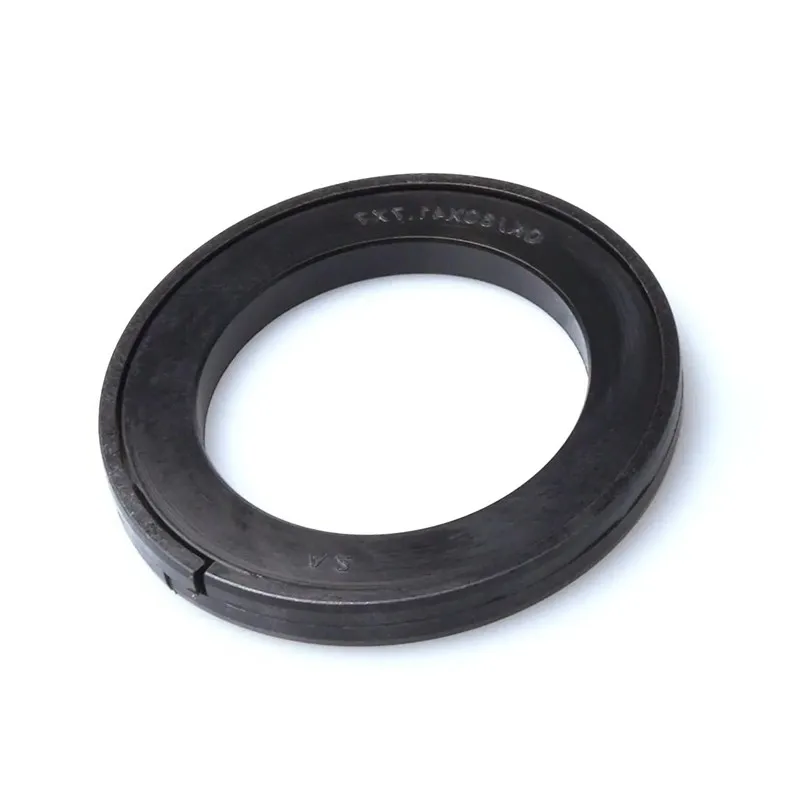
Let's talk about the benefits of maintaining oil seals. First of all, it extends the lifespan of the seals themselves. By catching and fixing problems early, you can avoid having to replace the seals as often. This saves you money in the long run.
Secondly, it improves the overall performance of the machinery. When the oil seals are in good condition, they can do their job of keeping lubricants in and contaminants out effectively. This means less friction, less wear on other parts, and smoother operation of the equipment.
Now, you might be thinking, "This all sounds great, but how do I know which oil seals are right for my application?" Well, that's where we come in. As an oil seals supplier, we have a wide range of seals to meet different needs. Whether you need engine valve stem oil seals for your car, OK ring hydraulic seals for your industrial equipment, or inner oil seals for some precision machinery, we've got you covered.
We offer high - quality seals at competitive prices. Our team of experts can also provide you with advice on installation, maintenance, and which seals are best suited for your specific application. So, if you're in the market for oil seals or have any questions about them, don't hesitate to reach out.
In conclusion, while some oil seals can be relatively low - maintenance, it's still important to pay attention to them. Regular inspections, proper installation, and consideration of the operating environment are all part of ensuring the longevity and performance of oil seals.
So, if you're looking for reliable oil seals and need some guidance on their maintenance, we're here for you. Whether you're a small - scale mechanic or a large - scale industrial manufacturer, we can provide the products and support you need. Let's get in touch and start a conversation about your oil seal needs.
References
- General knowledge from the oil seal industry
- Manufacturer's guides for various oil seal products