



Do rubber draught seals reduce noise? That's a question I get asked a lot as a supplier of Rubber Draught Seals. And let me tell you, it's a topic that's super important, whether you're looking to make your home cozier or trying to keep a commercial space quiet.


First off, let's understand what rubber draught seals are. They're basically strips or gaskets made of rubber that you can use to seal gaps around doors, windows, and other openings. These seals are great for keeping out drafts, which means they can also help with energy efficiency. But the big question is, do they really cut down on noise?
Well, the short answer is yes, they can. Rubber is a pretty good material for noise reduction because it has some unique properties. It's soft and flexible, which allows it to fill in gaps tightly. When there are no gaps, sound waves have a harder time getting through. Think of it like putting a plug in a hole. If there's a hole in a wall, sound can easily pass through. But when you seal that hole with a rubber draught seal, it creates a barrier that blocks a lot of the noise.
Let's dig a little deeper into the science behind it. Sound travels in waves, and these waves can be absorbed, reflected, or transmitted. When sound waves hit a rubber draught seal, some of the energy is absorbed by the rubber. The rubber molecules vibrate, converting the sound energy into heat energy. This absorption process reduces the amount of sound that can pass through to the other side.
Another way rubber draught seals help is by reflecting sound waves. The dense structure of the rubber causes some of the sound waves to bounce back instead of passing through. This reflection further reduces the noise level on the other side of the seal.
Now, the effectiveness of rubber draught seals in reducing noise depends on a few factors. One of the most important factors is the quality of the seal. A high - quality rubber draught seal will fit snugly and create a better barrier against noise. At our company, we offer a range of top - notch rubber draught seals that are designed to provide excellent noise reduction.
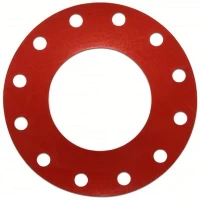
The type of rubber used also matters. Different types of rubber have different properties, and some are better at reducing noise than others. For example, Neoprene Gasket Seal is known for its good sound - absorbing qualities. It's a synthetic rubber that's durable and can withstand a lot of wear and tear. It's also resistant to oil, chemicals, and weather conditions, making it a great choice for both indoor and outdoor applications.
Another option is the Rubber Diaphragm. These diaphragms are often used in applications where precise control of sound and vibration is required. They can be customized to fit specific needs and can provide excellent noise reduction in a variety of settings.
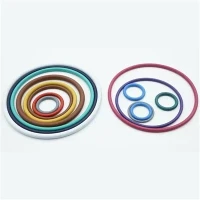
The Unitized Seal is also worth mentioning. It's a type of seal that combines multiple functions into one unit. This means it not only provides a good seal against drafts but also helps with noise reduction. It's often used in automotive and industrial applications where noise control is crucial.
In a home setting, rubber draught seals can make a big difference. If you live in a noisy neighborhood, sealing your windows and doors with rubber draught seals can help create a more peaceful environment inside. You'll be able to enjoy a quieter home, whether you're watching TV, reading a book, or taking a nap.
In commercial spaces, the benefits are even more significant. For example, in an office building, noise can be a major distraction. By installing rubber draught seals around office doors and windows, you can reduce the amount of noise from the hallway or the outside, creating a more productive work environment. In factories and industrial facilities, rubber draught seals can help protect workers from excessive noise, which can lead to hearing problems over time.
But it's important to note that rubber draught seals are not a magic solution. They won't completely eliminate all noise, especially if the noise source is very loud or if there are other significant gaps or openings in the building. However, they can significantly reduce the noise level, making the environment more comfortable and peaceful.
When it comes to installation, it's usually a pretty straightforward process. Most rubber draught seals come with an adhesive backing, so you just need to clean the surface where you're going to install the seal, peel off the backing, and stick it in place. Make sure to measure the length you need accurately to ensure a proper fit.
If you're interested in purchasing rubber draught seals for noise reduction, we're here to help. Our team has a lot of experience in the industry and can provide you with expert advice on which type of seal is best for your specific needs. Whether you need a small quantity for your home or a large order for a commercial project, we can accommodate you.
In conclusion, rubber draught seals can definitely reduce noise. They work by absorbing and reflecting sound waves, creating a barrier that blocks a significant amount of noise. With the right quality and type of seal, you can enjoy a quieter environment in both your home and commercial spaces. If you have any questions or would like to discuss your requirements, don't hesitate to reach out. We're always happy to talk about how our rubber draught seals can meet your noise - reduction needs.
References
- Young, D. E. (2007). Fundamentals of Sound. Pearson Prentice Hall.
- Beranek, L. L. (1986). Noise and Vibration Control Engineering: Principles and Applications. Wiley.