


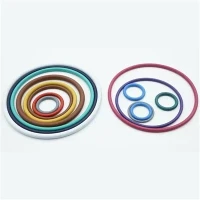


As a supplier of Silicone Gasket 70, I've received numerous inquiries about its aging resistance. In this blog post, I'll delve into the topic, exploring the factors that influence the aging resistance of Silicone Gasket 70 and providing insights based on scientific research and practical experience.
Understanding Silicone Gasket 70
Silicone Gasket 70 is a type of silicone rubber gasket with a Shore hardness of 70. Silicone rubber is known for its excellent properties, including high - temperature resistance, low - temperature flexibility, weather resistance, and chemical stability. These properties make it suitable for a wide range of applications, such as in automotive, aerospace, food processing, and medical industries.
Factors Affecting Aging Resistance
Temperature
One of the most significant factors affecting the aging of silicone gaskets is temperature. High temperatures can cause the silicone rubber to undergo thermal oxidation, which leads to cross - linking and hardening of the material over time. On the other hand, low temperatures can make the gasket brittle and reduce its sealing performance.
Silicone Gasket 70 has a relatively high heat resistance. It can typically withstand continuous use at temperatures up to 200 - 250°C, depending on the specific formulation. At these high temperatures, the chemical structure of the silicone rubber remains relatively stable, and the rate of thermal oxidation is slow. However, if the temperature exceeds its limit, the aging process will accelerate, and the gasket may lose its elasticity and sealing ability.
Oxygen and Ozone
Oxygen and ozone in the atmosphere can react with the silicone rubber, causing oxidative degradation. Oxygen can react with the unsaturated bonds in the silicone polymer chain, leading to chain scission and the formation of new chemical groups. Ozone, which is a more reactive oxidant, can cause surface cracking and pitting on the gasket.
Silicone Gasket 70 has good resistance to oxygen and ozone. The silicone rubber contains a large number of silicon - oxygen (Si - O) bonds, which are relatively stable and resistant to oxidation. In addition, some formulations of Silicone Gasket 70 may contain antioxidants and anti - ozone agents, which further enhance its resistance to these environmental factors.
Chemical Exposure
Silicone gaskets may come into contact with various chemicals in different applications. Some chemicals, such as strong acids, strong alkalis, and certain solvents, can react with the silicone rubber and cause chemical degradation.
Silicone Gasket 70 has good chemical resistance to many common chemicals. It is resistant to water, alcohol, and most oils. However, it may be attacked by some polar solvents, such as ketones and esters, and strong oxidizing agents. When selecting Silicone Gasket 70 for a specific application, it is important to consider the chemical environment and choose the appropriate formulation.
UV Radiation
UV radiation from sunlight can cause photo - oxidation of the silicone rubber. UV rays can break the chemical bonds in the polymer chain, leading to the formation of free radicals and the degradation of the material.
Silicone Gasket 70 has good UV resistance. The silicone rubber can absorb and dissipate UV energy, preventing it from causing significant damage to the material. This makes it suitable for outdoor applications where it is exposed to sunlight for long periods.
Scientific Evidence of Aging Resistance
Numerous scientific studies have been conducted on the aging resistance of silicone rubber. For example, research has shown that silicone rubber can maintain its mechanical properties, such as tensile strength and elongation at break, for a long time under normal environmental conditions.
In a laboratory - based accelerated aging test, samples of Silicone Gasket 70 were exposed to high - temperature, high - humidity, and UV radiation for a certain period. After the test, the mechanical properties of the samples were measured. The results showed that the change in the mechanical properties of Silicone Gasket 70 was relatively small, indicating its good aging resistance.
Practical Applications and Aging Performance
In practical applications, Silicone Gasket 70 has demonstrated excellent aging resistance. In the automotive industry, it is used in engine compartments, where it is exposed to high temperatures, oil, and vibration. Silicone Gasket 70 can maintain its sealing performance for a long time, reducing the risk of leakage and improving the reliability of the engine.
In the food processing industry, Sanitary Silicone Gaskets made of Silicone Gasket 70 are used in pipes, valves, and tanks. These gaskets are in contact with food products and cleaning agents, and they need to have good chemical resistance and aging resistance. Silicone Gasket 70 can meet these requirements, ensuring the safety and hygiene of the food processing process.
In the aerospace industry, Silicone Gasket 70 is used in aircraft engines and fuel systems. It needs to withstand extreme temperatures, pressure changes, and high - altitude environmental conditions. The good aging resistance of Silicone Gasket 70 ensures the reliable operation of these critical components.
Comparison with Other Gasket Materials
When compared with other gasket materials, such as rubber and plastic gaskets, Silicone Gasket 70 has significant advantages in terms of aging resistance.
Rubber gaskets, such as natural rubber and nitrile rubber, have relatively poor heat resistance and ozone resistance. They can easily harden, crack, and lose their elasticity when exposed to high temperatures and ozone. In contrast, Silicone Gasket 70 can maintain its flexibility and sealing performance under these harsh conditions.
Plastic gaskets, such as polypropylene and polyethylene, have good chemical resistance but may have poor low - temperature flexibility and aging resistance. They can become brittle at low temperatures and may be damaged by UV radiation. Silicone Gasket 70, on the other hand, has a wide temperature range and good UV resistance.
Tips for Extending the Service Life of Silicone Gasket 70
To ensure the long - term performance of Silicone Gasket 70, the following tips can be followed:
- Proper Installation: Make sure the gasket is installed correctly, with the right compression ratio and alignment. Improper installation can cause stress concentration and premature aging.
- Control the Operating Environment: Try to keep the operating temperature, humidity, and chemical exposure within the recommended range. If necessary, use protective covers or insulation to reduce the impact of the environment on the gasket.
- Regular Inspection: Regularly inspect the gasket for signs of aging, such as cracking, hardening, or discoloration. Replace the gasket if any significant damage is found.
Conclusion
In conclusion, Silicone Gasket 70 has good aging resistance due to its unique chemical structure and the presence of various additives. It can withstand high temperatures, oxygen, ozone, UV radiation, and many common chemicals. In both scientific tests and practical applications, it has demonstrated its ability to maintain its mechanical properties and sealing performance over a long period.
If you are looking for a reliable gasket material with excellent aging resistance, Silicone Gasket 70 is a great choice. We offer a wide range of Silicone O Ring Gasket and Square Silicone Gasket made of Silicone Gasket 70 to meet your specific needs. If you have any questions or would like to discuss your procurement requirements, please feel free to contact us. We are committed to providing high - quality products and excellent customer service.


References
- "Handbook of Elastomers" by B. D. Cullum.
- "Silicone Rubber: Chemistry and Technology" by G. N. Patwardhan.
- Various research papers on the aging behavior of silicone rubber published in scientific journals.