


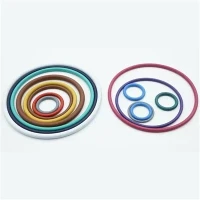

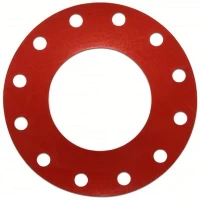
Silicone gaskets play a crucial role in protecting optical components from contaminants, ensuring the optimal performance and longevity of these sensitive devices. As a leading silicone gasket supplier, we understand the significance of these components in various industries, including aerospace, medical, and consumer electronics. In this blog post, we will explore how silicone gaskets safeguard optical components and why they are the preferred choice for many applications.
Understanding Optical Components and Contaminants
Optical components, such as lenses, mirrors, and sensors, are designed to manipulate and detect light. They are used in a wide range of devices, from cameras and telescopes to medical imaging equipment and laser systems. These components are highly sensitive to contaminants, which can include dust, dirt, moisture, chemicals, and even microorganisms. Contaminants can cause a variety of problems, including reduced optical clarity, increased light scattering, and damage to the surface of the components.


How Silicone Gaskets Protect Against Contaminants
Silicone gaskets provide a reliable barrier against contaminants, preventing them from reaching the optical components. Here's how they work:
- Sealing Properties: Silicone gaskets are designed to create a tight seal between two surfaces, preventing the ingress of contaminants. They can conform to irregular surfaces and maintain their sealing properties over a wide range of temperatures and pressures. This makes them ideal for use in applications where a high level of protection is required, such as in harsh environments or where the components are exposed to vibration or movement.
- Chemical Resistance: Silicone is highly resistant to a wide range of chemicals, including solvents, acids, and bases. This means that silicone gaskets can protect optical components from chemical contamination, which can cause corrosion or damage to the surface of the components. For example, in medical applications, silicone gaskets can prevent the ingress of disinfectants or other chemicals that could damage the optical components.
- Water Resistance: Silicone is also highly resistant to water and moisture, making it an excellent choice for protecting optical components from humidity and condensation. Moisture can cause fogging or corrosion on the surface of the components, which can reduce their optical performance. Silicone gaskets can prevent the ingress of water and moisture, ensuring that the optical components remain dry and free from damage.
- Dust and Particle Resistance: Silicone gaskets can also prevent the ingress of dust and other particles, which can cause scratches or damage to the surface of the optical components. They can act as a filter, trapping dust and particles before they reach the components. This is particularly important in applications where the components are exposed to high levels of dust or particulate matter, such as in industrial or outdoor environments.
Types of Silicone Gaskets for Optical Applications
There are several types of silicone gaskets available for optical applications, each with its own unique properties and advantages. Some of the most common types include:
- High Temperature Silicone Gasket: High Temperature Silicone Gasket are designed to withstand high temperatures without losing their sealing properties. They are ideal for use in applications where the components are exposed to high temperatures, such as in automotive or aerospace applications.
- Silicone Gasket 70: Silicone Gasket 70 is a medium-hardness silicone gasket that offers excellent sealing properties and chemical resistance. It is suitable for a wide range of applications, including optical components.
- Gasket Seal Silicone: Gasket Seal Silicone is a flexible silicone gasket that can conform to irregular surfaces and provide a tight seal. It is often used in applications where a high level of flexibility is required, such as in electronic devices.
Benefits of Using Silicone Gaskets for Optical Components
There are several benefits to using silicone gaskets for optical components, including:
- Improved Performance: By protecting the optical components from contaminants, silicone gaskets can help to improve their performance and reliability. This can result in better image quality, increased sensitivity, and longer使用寿命.
- Cost Savings: Using silicone gaskets can help to reduce the cost of maintenance and replacement of optical components. By preventing damage from contaminants, the components can last longer and require less frequent replacement.
- Versatility: Silicone gaskets are available in a wide range of shapes, sizes, and materials, making them suitable for a variety of optical applications. They can be customized to meet the specific requirements of each application, ensuring a perfect fit and optimal performance.
- Environmental Friendliness: Silicone is a non-toxic and environmentally friendly material, making it a sustainable choice for optical applications. It can be recycled and reused, reducing the environmental impact of the manufacturing process.
Conclusion
Silicone gaskets are an essential component for protecting optical components from contaminants. They provide a reliable barrier against dust, dirt, moisture, chemicals, and other contaminants, ensuring the optimal performance and longevity of these sensitive devices. As a leading silicone gasket supplier, we offer a wide range of high-quality silicone gaskets for optical applications, including High Temperature Silicone Gasket, Silicone Gasket 70, and Gasket Seal Silicone. If you are looking for a reliable and cost-effective solution for protecting your optical components, please contact us to discuss your requirements. We will be happy to provide you with more information and help you choose the right silicone gasket for your application.
References
- "Silicone Rubber: Properties and Applications." Rubber World Magazine.
- "Optical Component Protection: Best Practices and Materials." Journal of Optical Engineering.
- "Sealing Solutions for Optical Systems." International Journal of Sealing Technology.