


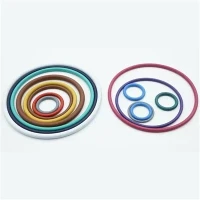



Hey there! As a supplier of oil seal silicone, I've been getting a lot of questions lately about how our product performs in chemical - processing plants. So, I thought I'd write this blog to share some insights and experiences.
First off, let's talk about what oil seal silicone is. It's a type of sealing material that's made from silicone rubber. Silicone has some really cool properties that make it great for a bunch of applications, especially in tough environments like chemical - processing plants.
One of the main advantages of oil seal silicone is its chemical resistance. Chemical - processing plants deal with all sorts of harsh chemicals on a daily basis. These chemicals can be corrosive, reactive, and just plain tough on regular materials. But our oil seal silicone is up for the challenge. It can withstand exposure to a wide range of chemicals, including acids, bases, solvents, and hydrocarbons.
For example, in a plant that processes organic solvents, our oil seal silicone has shown excellent resistance. Solvents like to dissolve and break down materials, but the silicone forms a protective barrier. This means that the seals made from our oil seal silicone can keep their shape and integrity, preventing leaks and ensuring that the chemical - processing equipment runs smoothly.
Another property that makes oil seal silicone a star in chemical - processing plants is its temperature resistance. Chemical processes often involve extreme temperatures, either very hot or very cold. Our oil seal silicone can handle a broad temperature range. It remains flexible in cold conditions, so it doesn't crack or become brittle. And in high - temperature environments, it doesn't melt or lose its sealing properties.
Let's say there's a plant that has a process running at high temperatures to produce certain chemicals. Our oil seal silicone can maintain its sealing function even when the heat is on. This is crucial because if the seals fail due to temperature issues, it can lead to chemical spills, equipment damage, and even safety hazards.
Now, let's get into some of the specific products we offer. We have the 35x55x8 Oil Seal. This seal is great for many chemical - processing applications. It's designed to fit specific equipment dimensions, and its silicone construction provides that all - important chemical and temperature resistance. Whether it's used in pumps, valves, or other machinery, it helps keep the chemicals where they're supposed to be.
We also have the Oil Seal Washer. Washers might seem like a small part, but they play a big role in sealing. Our oil seal washers made from silicone add an extra layer of protection. They can fill in small gaps and irregularities, ensuring a tight seal. In chemical - processing plants, even the smallest leak can be a problem, so these washers are an important part of the overall sealing solution.
And then there's the 14x24x6 Oil Seal. This seal is another popular choice for chemical - processing equipment. Its size makes it suitable for a variety of smaller components. The silicone material gives it the durability needed to stand up to the harsh chemical environment.
But it's not just about the properties of the oil seal silicone. Installation and maintenance are also key. When installing our oil seals, it's important to follow the proper procedures. Make sure the surfaces are clean and free of debris. Any dirt or particles can interfere with the seal's performance.
Regular maintenance is also crucial. Inspect the seals periodically to check for any signs of wear, damage, or degradation. If you notice any issues, it's better to replace the seals early rather than waiting for a major problem to occur.
In addition to the chemical and temperature resistance, our oil seal silicone also has good mechanical properties. It has high tensile strength, which means it can withstand the forces and pressures that come with the operation of chemical - processing equipment. It also has good tear resistance, so it won't easily rip or tear during normal use.
One thing I've noticed in my experience as a supplier is that some plants are still using traditional sealing materials. While these materials might have been sufficient in the past, they often can't keep up with the demands of modern chemical - processing. That's where our oil seal silicone comes in. It offers a more reliable and long - lasting solution.
When it comes to cost - effectiveness, our oil seal silicone is a winner. Sure, the initial cost might be a bit higher than some traditional materials, but in the long run, it saves money. Because it lasts longer and requires less frequent replacement, you don't have to keep spending on new seals and dealing with the downtime associated with seal failures.

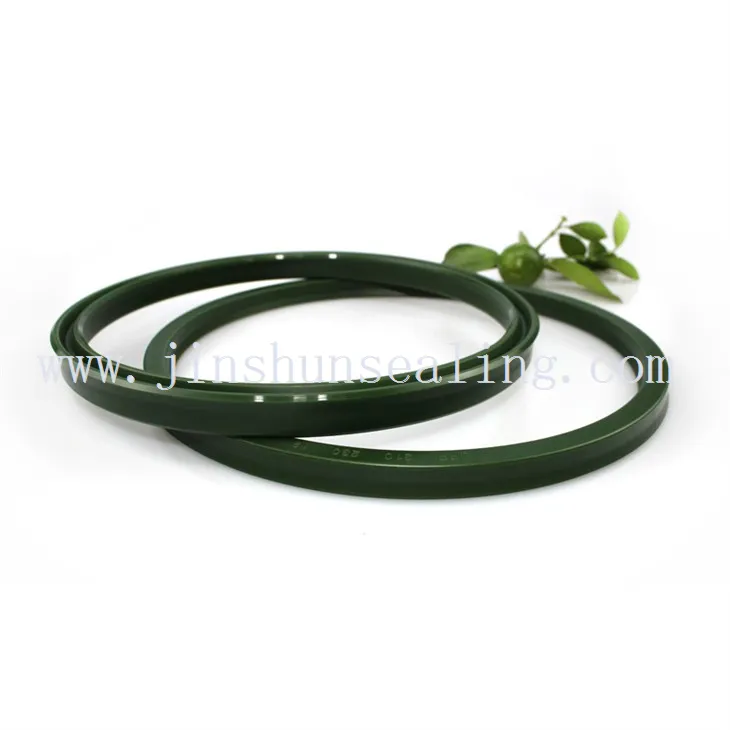
So, if you're running a chemical - processing plant and you're looking for a better sealing solution, I highly recommend giving our oil seal silicone a try. We've got a wide range of products to fit different needs and equipment. Whether you need a small seal for a specific component or a large - scale sealing solution for an entire system, we can help.
If you're interested in learning more or want to discuss your specific requirements, don't hesitate to reach out. We're here to answer your questions, provide samples, and work with you to find the best oil seal silicone products for your chemical - processing plant.
References
- Chemical Engineering Handbook: Covers general knowledge about chemical - processing equipment and sealing requirements.
- Silicone Rubber Manufacturer's Guides: Provide detailed information on the properties and applications of silicone rubber.