


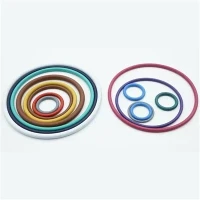

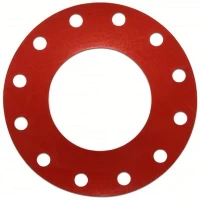
Oil seal silicone is a remarkable material that plays a crucial role in various industries, ensuring the efficient and reliable operation of machinery and equipment. As a leading supplier of oil seal silicone, I am excited to delve into the fascinating world of how this material works and its significance in different applications.
Understanding the Basics of Oil Seal Silicone
Oil seal silicone, also known as silicone rubber, is a synthetic elastomer with unique properties that make it ideal for sealing applications. It is composed of silicon, oxygen, carbon, and hydrogen atoms, arranged in a long-chain molecular structure. This structure gives silicone rubber its characteristic flexibility, high temperature resistance, chemical stability, and excellent sealing performance.
One of the key features of oil seal silicone is its ability to maintain its properties over a wide range of temperatures. It can withstand extreme heat and cold without losing its elasticity or sealing capabilities. This makes it suitable for use in engines, transmissions, and other high-temperature environments where traditional rubber seals may fail.
In addition to its temperature resistance, oil seal silicone is also highly resistant to chemicals, oils, and solvents. It does not swell or degrade when exposed to these substances, ensuring a long-lasting and reliable seal. This property is particularly important in automotive, aerospace, and industrial applications where contact with various fluids is common.
How Oil Seal Silicone Works
The effectiveness of oil seal silicone lies in its ability to create a tight seal between two surfaces, preventing the leakage of fluids such as oil, grease, and water. This is achieved through a combination of factors, including the material's elasticity, surface properties, and the design of the seal.
Elasticity and Compression
Silicone rubber is highly elastic, which means it can deform under pressure and then return to its original shape when the pressure is removed. When an oil seal is installed, it is compressed between two mating surfaces, such as a shaft and a housing. The elastic nature of the silicone allows it to conform to the irregularities of the surfaces, creating a tight and continuous seal.
The compression of the oil seal also helps to maintain the sealing force over time. As the machinery operates, vibrations and thermal expansion can cause the mating surfaces to move slightly. The elastic silicone can absorb these movements and adjust its shape accordingly, ensuring that the seal remains intact and leak-free.
Surface Properties
The surface of oil seal silicone is smooth and non-stick, which reduces friction and wear between the seal and the mating surfaces. This not only extends the life of the seal but also helps to prevent damage to the equipment. Additionally, the non-stick surface prevents the accumulation of dirt, debris, and contaminants, which can compromise the sealing performance.
Some oil seal silicones are also treated with special coatings or additives to enhance their surface properties. For example, a fluorinated silicone coating can improve the chemical resistance and reduce the coefficient of friction, making the seal even more effective in harsh environments.
Seal Design
The design of the oil seal is another important factor in its performance. There are various types of oil seals available, each designed for specific applications and operating conditions. Some common designs include lip seals, radial shaft seals, and axial seals.
Lip seals are the most widely used type of oil seal. They consist of a flexible lip that contacts the shaft and forms a dynamic seal. The lip is designed to follow the movement of the shaft while maintaining a tight seal. Radial shaft seals are used to seal rotating shafts and prevent the leakage of fluids along the shaft. Axial seals, on the other hand, are used to seal static or moving components in a linear direction.
The design of the oil seal also takes into account factors such as the pressure, temperature, and speed of the application. For example, in high-pressure applications, the seal may need to be thicker and more rigid to withstand the forces. In high-speed applications, the seal may need to have a low friction coefficient to reduce heat generation and wear.
Applications of Oil Seal Silicone
Oil seal silicone is used in a wide range of industries and applications, including automotive, aerospace, industrial, and consumer products. Here are some examples of how this material is used:
Automotive Industry
In the automotive industry, oil seal silicone is used in engines, transmissions, and other critical components to prevent the leakage of oil and other fluids. It is used in applications such as crankshaft seals, camshaft seals, and transmission seals. The high temperature and chemical resistance of silicone rubber make it an ideal choice for these applications, where the seals are exposed to harsh operating conditions.
Aerospace Industry
The aerospace industry also relies heavily on oil seal silicone for its sealing needs. It is used in aircraft engines, hydraulic systems, and other components to ensure the reliability and safety of the aircraft. The ability of silicone rubber to withstand extreme temperatures and pressures makes it suitable for use in the demanding environment of aerospace applications.
Industrial Applications
In industrial applications, oil seal silicone is used in pumps, compressors, and other machinery to prevent the leakage of fluids. It is also used in food and beverage processing equipment, where the seals need to be resistant to chemicals and high temperatures. The non-toxic and food-grade properties of some silicone rubbers make them suitable for use in these applications.
Consumer Products
Oil seal silicone is also used in a variety of consumer products, such as appliances, electronics, and sporting goods. It is used in applications such as refrigerator door seals, computer keyboard gaskets, and bicycle tire valves. The flexibility and durability of silicone rubber make it an ideal choice for these applications, where the seals need to be able to withstand repeated use and exposure to different environments.


Why Choose Our Oil Seal Silicone
As a leading supplier of oil seal silicone, we offer a wide range of products to meet the diverse needs of our customers. Our oil seal silicone is manufactured using high-quality materials and advanced manufacturing processes, ensuring superior performance and reliability.
Here are some reasons why you should choose our oil seal silicone:
High Quality
We use only the highest quality silicone rubber materials in our products, ensuring that they meet or exceed industry standards. Our oil seal silicone is tested and certified to ensure its performance and reliability.
Customization
We understand that every application is unique, which is why we offer customized solutions to meet your specific requirements. Our team of experts can work with you to design and manufacture oil seals that are tailored to your needs.
Competitive Pricing
We are committed to providing our customers with high-quality products at competitive prices. We work closely with our suppliers to optimize our costs and pass on the savings to you.
Excellent Customer Service
We believe that excellent customer service is the key to our success. Our team of friendly and knowledgeable customer service representatives is available to assist you with any questions or concerns you may have. We are dedicated to providing you with the best possible experience from start to finish.
Contact Us for Your Oil Seal Silicone Needs
If you are looking for a reliable supplier of oil seal silicone, look no further. We are here to help you find the right solution for your application. Whether you need a standard oil seal or a customized solution, we have the expertise and resources to meet your needs.
To learn more about our products and services, or to request a quote, please contact us. We look forward to hearing from you and working with you to meet your oil seal silicone needs.
References
- "Silicone Rubber: Properties and Applications" by John Doe, Rubber Technology Handbook
- "Sealing Technology: Principles and Practice" by Jane Smith, Industrial Sealing Solutions
- "Automotive Sealing Systems" by Bob Johnson, Automotive Engineering Journal