


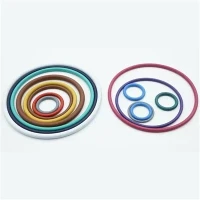



As a seasoned supplier of silicone gaskets, I've witnessed firsthand the profound impact that surface finish can have on the performance of these essential components. In this blog post, I'll delve into the intricacies of how surface finish affects silicone gaskets, exploring the various factors at play and the implications for their functionality.
Understanding Surface Finish
Surface finish refers to the texture and quality of the surface of a material. In the context of silicone gaskets, it encompasses a range of characteristics, including roughness, smoothness, and the presence of any irregularities or defects. The surface finish of a silicone gasket can be influenced by a variety of factors, such as the manufacturing process, the type of silicone material used, and any post-processing treatments.
Impact on Sealing Performance
One of the primary functions of a silicone gasket is to provide a reliable seal between two surfaces, preventing the leakage of fluids or gases. The surface finish of the gasket plays a crucial role in determining its sealing performance. A smooth surface finish can help to ensure a tight and uniform seal, minimizing the risk of leakage. On the other hand, a rough or uneven surface finish can create gaps or channels through which fluids or gases can escape, compromising the effectiveness of the seal.
For example, consider a silicone gasket used in a high-pressure application. A gasket with a smooth surface finish will be able to conform more closely to the mating surfaces, creating a better seal and reducing the likelihood of leakage. In contrast, a gasket with a rough surface finish may not be able to form a tight seal, leading to potential leaks and safety hazards.
Influence on Friction and Wear
The surface finish of a silicone gasket can also affect its friction and wear properties. A smooth surface finish generally results in lower friction, which can reduce the amount of force required to compress the gasket and improve its ease of installation. Additionally, lower friction can help to prevent the gasket from sticking to the mating surfaces, making it easier to remove and replace if necessary.
In terms of wear, a smooth surface finish can help to minimize abrasion and damage to the gasket over time. When a gasket is subjected to repeated compression and relaxation cycles, a rough surface finish can cause the gasket to wear more quickly, leading to a shorter service life. By contrast, a smooth surface finish can help to protect the gasket from wear and tear, ensuring its long-term performance and reliability.
Effect on Chemical Resistance
Silicone gaskets are often used in applications where they come into contact with various chemicals and fluids. The surface finish of the gasket can have an impact on its chemical resistance. A smooth surface finish can provide a more uniform and impermeable barrier, reducing the likelihood of chemical penetration and degradation.

For instance, in a chemical processing plant, a silicone gasket with a smooth surface finish will be better able to resist the corrosive effects of chemicals, ensuring the integrity of the seal and preventing leaks. On the other hand, a gasket with a rough surface finish may have microscopic pores or crevices that can allow chemicals to penetrate, leading to chemical attack and potential failure of the gasket.
Importance of Surface Finish in Different Applications
The significance of surface finish can vary depending on the specific application of the silicone gasket. In some applications, such as food and beverage processing or medical devices, a smooth and clean surface finish is essential to meet strict hygiene and safety standards. A rough or contaminated surface finish can harbor bacteria or other contaminants, posing a risk to human health.
In other applications, such as automotive engines or industrial machinery, the surface finish may be more critical for ensuring proper sealing and performance under high temperatures, pressures, and vibrations. A gasket with the appropriate surface finish can help to withstand these harsh conditions and maintain its functionality over an extended period.
Achieving the Right Surface Finish
As a silicone gasket supplier, we understand the importance of achieving the right surface finish for our customers' specific needs. We use advanced manufacturing techniques and quality control measures to ensure that our gaskets have the desired surface finish characteristics.
One of the key factors in achieving a smooth surface finish is the selection of the appropriate silicone material. Different types of silicone materials have different surface properties, and choosing the right material can make a significant difference in the final surface finish of the gasket. Additionally, we use precision machining and molding processes to create gaskets with consistent and high-quality surface finishes.
In some cases, post-processing treatments may be required to further improve the surface finish of the gasket. These treatments can include polishing, grinding, or coating the gasket to achieve the desired level of smoothness and uniformity.
Conclusion
In conclusion, the surface finish of a silicone gasket has a profound impact on its performance in various applications. It affects the sealing performance, friction and wear properties, chemical resistance, and overall functionality of the gasket. As a silicone gasket supplier, we are committed to providing our customers with gaskets that have the optimal surface finish for their specific requirements.
If you're in the market for high-quality silicone gaskets, we invite you to explore our range of products, including Soft Silicone Washers, Silicone Gasket 70, and Soft Silicone Gasket. Our team of experts is available to assist you in selecting the right gasket for your application and ensuring that it meets your performance expectations. Contact us today to discuss your requirements and start a procurement negotiation.
References
- "Silicone Rubber Handbook" by William Andrew Publishing
- "Sealing Technology Handbook" by Elsevier