


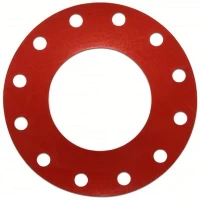


Hey there! As a nitrile oil seal supplier, I often get asked about the service life of nitrile oil seals. It's a crucial question, especially for those in industries where these seals play a vital role. So, let's dive right in and explore how long a nitrile oil seal can actually last.
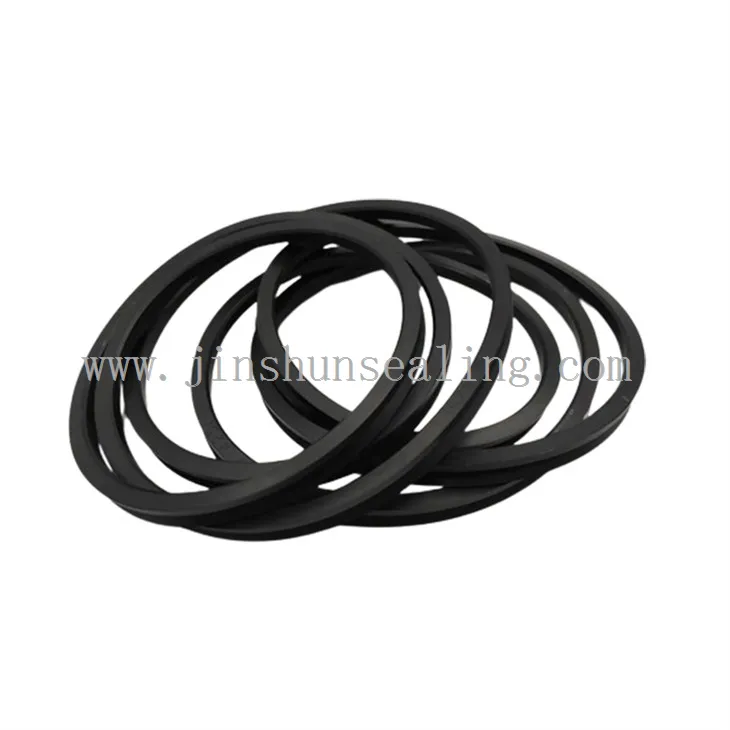
First off, what are nitrile oil seals? Nitrile, also known as NBR (Nitrile Butadiene Rubber), is a synthetic rubber material that's widely used in oil seals due to its excellent resistance to oil, fuel, and other petroleum-based fluids. These seals are designed to prevent the leakage of lubricants and the ingress of contaminants, ensuring the smooth operation of machinery and equipment.
Now, back to the main question: how long is the service life of a nitrile oil seal? Well, the answer isn't straightforward because it depends on several factors. Let's take a look at some of the key factors that can affect the lifespan of a nitrile oil seal.
Operating Conditions
One of the most significant factors influencing the service life of a nitrile oil seal is the operating conditions. Temperature, pressure, speed, and the type of fluid being sealed all play a role.
- Temperature: Nitrile oil seals have a limited temperature range. Generally, they can operate effectively between -40°F (-40°C) and 250°F (121°C). If the temperature exceeds this range, the rubber can harden, crack, or lose its elasticity, leading to premature failure. For example, in high-temperature applications such as engines or industrial furnaces, the seal may degrade faster. On the other hand, in extremely cold environments, the rubber can become brittle and lose its sealing properties.
- Pressure: The pressure within the system also affects the seal's performance. High-pressure applications can put more stress on the seal, causing it to deform or leak. Nitrile oil seals are typically rated for a certain pressure range, and exceeding this limit can significantly reduce their service life.
- Speed: The rotational speed of the shaft or the movement of the equipment can impact the seal. Higher speeds generate more heat and friction, which can wear down the seal faster. Additionally, excessive vibration or misalignment can cause uneven wear on the seal, leading to premature failure.
- Fluid Compatibility: The type of fluid being sealed is crucial. Nitrile is compatible with most mineral oils, hydraulic fluids, and some synthetic fluids. However, if the fluid contains chemicals or additives that are not compatible with nitrile, it can cause the rubber to swell, shrink, or degrade. For example, exposure to certain solvents or strong acids can damage the seal.
Installation and Maintenance
Proper installation and maintenance are essential for maximizing the service life of a nitrile oil seal.
- Installation: Incorrect installation can cause damage to the seal right from the start. It's important to follow the manufacturer's instructions carefully. This includes cleaning the mating surfaces, using the right tools, and ensuring proper alignment. For example, if the seal is installed at an angle or with too much force, it can cause the lip to deform or the seal to leak.
- Maintenance: Regular maintenance can help extend the life of the seal. This includes checking for leaks, monitoring the operating conditions, and replacing the seal when necessary. For example, if you notice a small leak, it's important to address it immediately to prevent further damage. Additionally, keeping the equipment clean and free of contaminants can reduce the wear on the seal.
Quality of the Seal
The quality of the nitrile oil seal itself also plays a role in its service life. Higher-quality seals are typically made from better materials and have more precise manufacturing processes. They are more likely to have consistent dimensions, better sealing performance, and longer service lives. When choosing a nitrile oil seal, it's important to select a reputable supplier that offers high-quality products.
Typical Service Life
So, what's a typical service life for a nitrile oil seal? In general, under normal operating conditions, a nitrile oil seal can last anywhere from 2 to 5 years. However, this is just a rough estimate, and the actual service life can vary widely depending on the factors mentioned above.
For example, in a well-maintained automotive engine, a nitrile oil seal may last for the entire life of the engine, which could be 100,000 miles or more. On the other hand, in a harsh industrial environment with high temperatures, pressures, and contaminants, the seal may need to be replaced every few months.
Comparing with Other Types of Oil Seals
It's also interesting to compare nitrile oil seals with other types of oil seals. For example, Universal Oil Seals are designed to be more versatile and can be used in a wider range of applications. They may have a different service life depending on the specific design and materials used.
Neoprene Oil Seal is another type of oil seal. Neoprene has different properties compared to nitrile. It has better resistance to ozone and weathering, but it may not be as resistant to oil as nitrile. So, the service life of a neoprene oil seal will also depend on the operating conditions.
And if you're looking for a specific size of oil seal, like the Oil Seal 20x34x7, the service life will still be influenced by the same factors we've discussed.
Conclusion
In conclusion, the service life of a nitrile oil seal depends on a variety of factors, including operating conditions, installation and maintenance, and the quality of the seal. While it's difficult to give an exact lifespan, understanding these factors can help you make informed decisions about the use and replacement of nitrile oil seals.
If you're in need of nitrile oil seals or have any questions about their service life, feel free to reach out. We're here to help you find the right solution for your needs. Whether you're in the automotive, industrial, or any other industry, we can provide high-quality nitrile oil seals that are designed to last. So, don't hesitate to contact us for more information and to discuss your procurement requirements.

References
- "Rubber Seals Handbook" - A comprehensive guide on rubber seals, including nitrile oil seals.
- Manufacturer's specifications and technical data sheets for nitrile oil seals.