


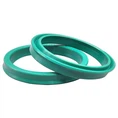
As a seasoned supplier of Rubber V Rings, I understand the critical role these components play in various industrial applications. The proper adjustment of the tightness of a rubber V ring is essential for ensuring optimal performance and longevity. In this blog post, I will share some valuable insights on how to adjust the tightness of a rubber V ring effectively.
Understanding the Importance of Proper Tightness
Before delving into the adjustment process, it's crucial to understand why the right tightness matters. A rubber V ring that is too loose may not provide an adequate seal, leading to leakage of fluids or contaminants. This can result in equipment malfunction, reduced efficiency, and increased maintenance costs. On the other hand, an overly tight V ring can cause excessive friction, wear and tear, and premature failure of the seal and the surrounding components. Therefore, achieving the correct tightness is key to maximizing the performance and lifespan of the rubber V ring.
Factors Affecting the Tightness of a Rubber V Ring
Several factors can influence the tightness of a rubber V ring. These include:
- Material Properties: The type of rubber used in the V ring, as well as its hardness, elasticity, and chemical resistance, can affect its ability to form a tight seal. For example, a softer rubber may conform better to irregular surfaces but may also require more compression to achieve a proper seal.
- Surface Finish: The smoothness and flatness of the mating surfaces can impact the seal's effectiveness. Rough or uneven surfaces can prevent the V ring from making full contact, leading to leakage.
- Installation Conditions: The way the V ring is installed, including the alignment, orientation, and the force applied during installation, can also affect its tightness. Improper installation can cause the V ring to be misaligned or distorted, resulting in a poor seal.
- Operating Conditions: The temperature, pressure, and chemical environment in which the V ring operates can also influence its performance. For example, high temperatures can cause the rubber to expand or become softer, while exposure to certain chemicals can degrade the material.
Tools and Equipment Needed for Adjustment
To adjust the tightness of a rubber V ring, you will need the following tools and equipment:


- Measuring Tools: A caliper or micrometer can be used to measure the dimensions of the V ring and the mating surfaces accurately.
- Installation Tools: A suitable installation tool, such as a seal installer or a rubber mallet, may be required to ensure proper installation of the V ring.
- Adjustment Tools: Depending on the design of the application, you may need tools such as wrenches, pliers, or shims to adjust the tightness of the V ring.
Step-by-Step Guide to Adjusting the Tightness of a Rubber V Ring
The following steps outline a general process for adjusting the tightness of a rubber V ring:
- Inspect the V Ring and Mating Surfaces: Before installation, carefully inspect the V ring and the mating surfaces for any damage, scratches, or debris. Clean the surfaces thoroughly to ensure a proper seal.
- Measure the Dimensions: Use a caliper or micrometer to measure the inner and outer diameters of the V ring, as well as the dimensions of the mating surfaces. Compare these measurements to the specifications provided by the manufacturer to ensure a proper fit.
- Install the V Ring: Follow the manufacturer's instructions for installing the V ring. Make sure the V ring is properly aligned and seated in the groove. Use an appropriate installation tool to avoid damaging the V ring during installation.
- Check the Initial Tightness: Once the V ring is installed, check the initial tightness by gently pressing on the V ring with your finger. The V ring should feel firm but not overly tight. If the V ring is too loose, it may need to be tightened; if it is too tight, it may need to be loosened.
- Adjust the Tightness: Depending on the design of the application, you can adjust the tightness of the V ring by using shims, tightening or loosening bolts, or adjusting the position of the mating components. Make small adjustments at a time and check the tightness after each adjustment.
- Test the Seal: After adjusting the tightness, test the seal by applying pressure or fluid to the system. Check for any signs of leakage or excessive friction. If necessary, make further adjustments until the seal is satisfactory.
- Final Inspection: Once the seal has been tested and is working properly, perform a final inspection of the V ring and the surrounding components. Make sure everything is in place and there are no signs of damage or wear.
Tips for Adjusting the Tightness of a Rubber V Ring
Here are some additional tips to help you adjust the tightness of a rubber V ring effectively:
- Follow the Manufacturer's Recommendations: Always refer to the manufacturer's instructions and specifications when installing and adjusting the V ring. This will ensure that you are using the correct procedures and achieving the optimal performance.
- Use the Right Tools: Using the appropriate tools for installation and adjustment is essential to avoid damaging the V ring and ensuring a proper seal. Make sure you have the necessary tools on hand before starting the adjustment process.
- Make Small Adjustments: When adjusting the tightness of the V ring, make small adjustments at a time and check the tightness after each adjustment. This will help you avoid over-tightening or under-tightening the V ring.
- Monitor the Performance: After adjusting the tightness of the V ring, monitor the performance of the system regularly. Check for any signs of leakage, excessive friction, or wear. If you notice any issues, make the necessary adjustments promptly.
- Consider the Operating Conditions: Take into account the temperature, pressure, and chemical environment in which the V ring will operate. These factors can affect the performance and lifespan of the V ring, so make sure you choose a V ring that is suitable for the specific application.
Conclusion
Adjusting the tightness of a rubber V ring is a critical step in ensuring the optimal performance and longevity of the seal. By understanding the importance of proper tightness, considering the factors that affect it, using the right tools and equipment, and following the step-by-step guide and tips provided in this blog post, you can adjust the tightness of a rubber V ring effectively.
If you are in need of high-quality Rubber V Rings or require further assistance with seal selection or adjustment, we are here to help. As a leading supplier of Spring V Seal, V Ring Rubber Seals, and V Shaped Seal, we offer a wide range of products to meet your specific needs. Contact us today to discuss your requirements and explore how our products can enhance the performance of your applications.
References
- "Rubber Seals Handbook," published by the Rubber Manufacturers Association.
- "Sealing Technology: Principles and Applications," by John A. Schey.