


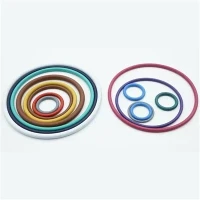


Hey there! As a supplier of silicone O-rings, I've seen my fair share of these little rubber wonders. They're used in tons of different applications, from automotive engines to household appliances. But one thing that can be a real headache is figuring out if a silicone O-ring is damaged. In this blog post, I'm gonna share some tips on how to check for damage and keep your O-rings in top shape.
Visual Inspection
The first step in checking for damage is to give the O-ring a good look. Start by examining the surface for any visible signs of wear, such as cuts, nicks, or abrasions. These can be caused by rough handling, improper installation, or contact with sharp objects. If you see any of these signs, it's a good indication that the O-ring may be damaged and should be replaced.
Another thing to look for is discoloration. Silicone O-rings are typically clear or white, but they can turn yellow or brown over time due to exposure to heat, chemicals, or UV light. While discoloration doesn't necessarily mean the O-ring is damaged, it can be a sign that it's been exposed to harsh conditions and may not be performing as well as it should.
You should also check the O-ring for any signs of swelling or shrinking. This can be caused by exposure to certain chemicals or fluids, which can cause the O-ring to absorb or release moisture. If the O-ring is swollen, it may not fit properly in its groove and could cause leaks. If it's shrunk, it may not provide a proper seal and could also lead to leaks.
Physical Inspection
In addition to a visual inspection, you should also perform a physical inspection of the O-ring. Start by gently squeezing the O-ring between your fingers. It should feel firm and resilient, with no signs of cracking or splitting. If the O-ring feels soft or mushy, it may have been damaged by heat or chemicals and should be replaced.
You can also try stretching the O-ring slightly. It should stretch evenly and return to its original shape without any signs of permanent deformation. If the O-ring doesn't stretch evenly or doesn't return to its original shape, it may have been damaged and should be replaced.
Pressure Testing
If you're still not sure if the O-ring is damaged, you can perform a pressure test. This involves applying pressure to the O-ring and checking for any signs of leaks. To perform a pressure test, you'll need a pressure testing kit, which can be purchased at most hardware stores.
Start by installing the O-ring in its groove and tightening the fittings. Then, connect the pressure testing kit to the system and apply pressure slowly. You should monitor the pressure gauge and look for any signs of a drop in pressure, which could indicate a leak. If you see a drop in pressure, you should stop the test and inspect the O-ring for damage.
Common Causes of Damage
Now that you know how to check for damage, let's take a look at some of the common causes of damage to silicone O-rings.
Heat
Silicone O-rings are designed to withstand high temperatures, but they can still be damaged if they're exposed to temperatures that are too high for too long. This can cause the O-ring to harden, crack, or lose its elasticity. To prevent heat damage, make sure you're using the right type of O-ring for your application and that it's rated for the temperature range you'll be working in. You can check out our Silicone O Ring High Temperature products for options that can handle extreme heat.
Chemicals
Silicone O-rings are resistant to many chemicals, but they can still be damaged if they're exposed to certain chemicals or fluids. This can cause the O-ring to swell, shrink, or become brittle. To prevent chemical damage, make sure you're using the right type of O-ring for your application and that it's compatible with the chemicals or fluids it will be exposed to. Our Heat Resistant Silicone O Rings are formulated to resist a wide range of chemicals and high temperatures.
Improper Installation
Improper installation is one of the most common causes of damage to silicone O-rings. This can include over-tightening the fittings, using the wrong size O-ring, or installing the O-ring in the wrong direction. To prevent installation damage, make sure you're following the manufacturer's instructions and using the right tools and equipment. If you're not sure how to install the O-ring correctly, you can always consult with a professional.


Conclusion
Checking for damage to silicone O-rings is an important part of maintaining the performance and reliability of your equipment. By performing a visual inspection, physical inspection, and pressure test, you can identify any signs of damage and take the necessary steps to replace the O-ring before it causes any problems. Remember to also pay attention to the common causes of damage, such as heat, chemicals, and improper installation, and take steps to prevent them from occurring.
If you're in the market for high-quality silicone O-rings, look no further! We offer a wide range of O Ring 55 mm and other sizes to meet your needs. Whether you need O-rings for high-temperature applications or chemical-resistant environments, we've got you covered.
If you have any questions or would like to discuss your specific requirements, don't hesitate to reach out. We're here to help you find the perfect silicone O-rings for your project.
References
- ASTM International. (2021). Standard Test Methods for Rubber Property - Durometer Hardness. ASTM D2240 - 21.
- Rubber Manufacturers Association. (2019). Rubber O - Ring Handbook.
- Dow Corning. (2018). Silicone Elastomers: Properties and Performance.