


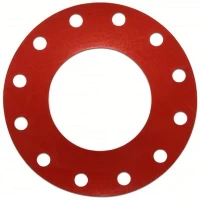


Determining the shelf life of a silicone O - ring is a crucial aspect for both manufacturers and end - users. As a silicone O - ring supplier, we understand the importance of this information, as it directly impacts product quality, performance, and customer satisfaction. In this blog post, we will explore the factors that influence the shelf life of silicone O - rings and methods to accurately determine it.
Factors Affecting the Shelf Life of Silicone O - Rings
1. Material Composition
Silicone rubber is a polymer composed of silicon, oxygen, carbon, and hydrogen. Different formulations of silicone rubber can have varying degrees of resistance to environmental factors. For instance, high - purity silicone compounds with fewer additives may have a longer shelf life as they are less susceptible to chemical degradation. Specialty silicone O - rings, such as White Silicone O Rings, may be formulated with specific additives for color or other properties, which can affect their long - term stability.
2. Environmental Conditions
- Temperature: Elevated temperatures can accelerate the aging process of silicone O - rings. At high temperatures, the polymer chains in the silicone can break down more quickly, leading to a loss of elasticity and mechanical properties. Conversely, extremely low temperatures can cause the O - rings to become brittle. Therefore, storing silicone O - rings in a temperature - controlled environment is essential for maximizing their shelf life.
- Humidity: High humidity levels can introduce moisture into the silicone material, which may cause swelling or hydrolysis of the polymer. This can lead to changes in the O - ring's dimensions and its sealing performance. It is recommended to store silicone O - rings in a dry environment with a relative humidity below 60%.
- Exposure to Light: Ultraviolet (UV) light and other forms of radiation can cause photodegradation of silicone rubber. This leads to surface cracking, discoloration, and a decrease in the O - ring's mechanical strength. O - rings should be stored in opaque containers or in areas away from direct sunlight.
3. Chemical Exposure
Silicone O - rings can come into contact with various chemicals during storage and use. Some chemicals, such as acids, bases, solvents, and oxidizing agents, can react with the silicone material, causing it to degrade. For example, exposure to strong acids can break the silicone - oxygen bonds in the polymer chain. It is important to keep silicone O - rings away from any potentially reactive chemicals.
4. Mechanical Stress
Even during storage, silicone O - rings can be subjected to mechanical stress. Compression, stretching, or bending can cause internal stresses in the material, which may accelerate the aging process. Small Silicone O Rings and Stretchy Silicone O Rings are more prone to damage from improper handling due to their small size or high stretchability. It is advisable to store O - rings in a relaxed state and avoid any unnecessary deformation.
Methods to Determine the Shelf Life of Silicone O - Rings
1. Visual Inspection
Regular visual inspection is the simplest way to assess the condition of silicone O - rings. Signs of aging include discoloration (e.g., yellowing), surface cracking, and a change in texture. If an O - ring shows significant discoloration or visible cracks, it may have reached the end of its useful shelf life. However, visual inspection alone is not always sufficient, as some internal damage may not be visible.
2. Physical Testing
- Hardness Testing: The hardness of a silicone O - ring can change over time due to aging. Measuring the hardness using a durometer can provide an indication of the material's condition. An increase in hardness may suggest that the polymer chains have cross - linked further, which can reduce the O - ring's elasticity.
- Tensile Testing: Tensile testing involves pulling the O - ring until it breaks. Parameters such as tensile strength, elongation at break, and modulus can be measured. A decrease in these values compared to the original specifications indicates a loss of mechanical properties and potential aging of the material.
3. Accelerated Aging Tests
Accelerated aging tests are conducted by exposing the silicone O - rings to elevated temperatures, humidity, or other environmental factors for a shorter period. By using accelerated aging models, the long - term aging behavior of the O - rings can be predicted. For example, if an O - ring is aged at 70°C for a week, the results can be extrapolated to estimate its performance at room temperature over a much longer time. However, it should be noted that accelerated aging tests may not perfectly replicate real - world conditions.
4. Chemical Analysis
Chemical analysis techniques, such as Fourier - Transform Infrared (FTIR) spectroscopy and Differential Scanning Calorimetry (DSC), can be used to analyze the chemical structure and composition of the silicone O - rings. These methods can detect changes in the polymer structure due to aging, such as the formation of new chemical bonds or the degradation of the original polymer chains.


General Shelf Life Estimates
Under ideal storage conditions (temperature between 20 - 25°C, relative humidity below 60%, and protection from light and chemicals), most silicone O - rings have a shelf life of 5 - 10 years. However, this estimate can vary depending on the factors mentioned above. For example, O - rings made from high - quality silicone with excellent chemical resistance may have a longer shelf life, while those exposed to harsh environmental conditions may need to be replaced more frequently.
Importance of Shelf Life Determination for Our Customers
As a silicone O - ring supplier, we are committed to providing our customers with high - quality products. By accurately determining the shelf life of our silicone O - rings, we can ensure that our customers receive products that meet their performance requirements. This helps to prevent premature failure of O - rings in various applications, such as sealing in plumbing systems, automotive engines, and medical devices.
Contact Us for Your Silicone O - Ring Needs
If you are in the market for high - quality silicone O - rings, we invite you to contact us. We have a wide range of silicone O - rings, including White Silicone O Rings, Small Silicone O Rings, and Stretchy Silicone O Rings. Our team of experts can assist you in selecting the right O - rings for your specific application and provide guidance on proper storage and handling to maximize their shelf life. Let's start a discussion about your silicone O - ring requirements and find the best solutions for you.
References
- "Handbook of Elastomers", Second Edition, edited by Ian M. Ward and John S. Halley.
- ASTM D1418 - Standard Practice for Rubber and Rubber - Latices - Nomenclature.
- ISO 1817 - Rubber, Vulcanized or Thermoplastic - Determination of the Effect of Liquids.