


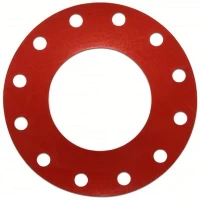

As a supplier of Unitized Seals, I understand the critical role that proper alignment plays during the installation process. A misaligned unitized seal can lead to a host of problems, including leaks, premature wear, and reduced performance. In this blog post, I will share some valuable insights and practical tips on how to ensure the correct alignment of unitized seals during installation.
Understanding Unitized Seals
Before delving into the alignment process, it's essential to have a clear understanding of what unitized seals are and how they function. Unitized seals are a type of sealing solution that combines multiple sealing elements into a single, pre-assembled unit. These seals are designed to provide a reliable and efficient seal in a wide range of applications, including automotive, industrial, and aerospace.
Unitized seals typically consist of a rubber sealing element, a metal or plastic housing, and a retaining ring. The rubber sealing element is responsible for creating a tight seal between the two mating surfaces, while the housing provides support and protection for the sealing element. The retaining ring ensures that the seal remains in place during operation.
Importance of Correct Alignment
Proper alignment is crucial for the optimal performance and longevity of unitized seals. When a seal is misaligned, it can cause uneven pressure distribution, which can lead to leaks and premature wear. Misalignment can also result in increased friction, which can generate heat and cause the seal to fail prematurely.
In addition to reducing the lifespan of the seal, misalignment can also have a negative impact on the performance of the equipment. Leaks can lead to the loss of fluids or gases, which can affect the efficiency and reliability of the system. Premature wear can also cause the equipment to malfunction, resulting in costly downtime and repairs.
Pre-Installation Preparation
Before installing a unitized seal, it's important to take the time to prepare the mating surfaces and the seal itself. This will help to ensure that the seal is properly aligned and seated, and that it will provide a reliable seal for the life of the equipment.
Inspect the Mating Surfaces
The first step in the pre-installation preparation process is to inspect the mating surfaces for any signs of damage or wear. The surfaces should be clean, smooth, and free of any debris or contaminants. Any scratches, nicks, or other damage should be repaired or replaced before installing the seal.
Clean the Mating Surfaces
Once the mating surfaces have been inspected, they should be cleaned thoroughly to remove any dirt, oil, or other contaminants. This can be done using a suitable cleaning solvent and a clean, lint-free cloth. It's important to ensure that the surfaces are completely dry before installing the seal.
Lubricate the Seal
Before installing the seal, it's recommended to lubricate the sealing element with a suitable lubricant. This will help to reduce friction and make it easier to install the seal. The lubricant should be compatible with the seal material and the fluid or gas that the seal will be exposed to.
Installation Process
Once the pre-installation preparation is complete, it's time to install the unitized seal. The following steps will help to ensure that the seal is properly aligned and seated during the installation process.


Position the Seal
The first step in the installation process is to position the seal correctly on the mating surface. The seal should be centered and aligned with the groove or recess in the mating surface. It's important to ensure that the seal is not twisted or distorted during this process.
Apply Pressure
Once the seal is positioned correctly, it's time to apply pressure to seat the seal in the groove or recess. This can be done using a suitable tool, such as a seal installer or a press. The pressure should be applied evenly and gradually to avoid damaging the seal.
Check the Alignment
After the seal has been seated, it's important to check the alignment to ensure that it is properly installed. This can be done using a straightedge or a feeler gauge. The seal should be flush with the mating surface and there should be no gaps or unevenness.
Install the Retaining Ring
Once the seal is properly aligned and seated, it's time to install the retaining ring. The retaining ring should be installed according to the manufacturer's instructions, and it should be seated securely in the groove or recess.
Post-Installation Inspection
After the unitized seal has been installed, it's important to perform a post-installation inspection to ensure that the seal is functioning properly. This will help to identify any potential issues or problems before they become major issues.
Check for Leaks
The first step in the post-installation inspection process is to check for leaks. This can be done by pressurizing the system and observing the seal for any signs of leakage. If a leak is detected, it should be repaired immediately to prevent further damage to the equipment.
Check the Alignment
In addition to checking for leaks, it's also important to check the alignment of the seal to ensure that it is still properly installed. This can be done using a straightedge or a feeler gauge. The seal should be flush with the mating surface and there should be no gaps or unevenness.
Monitor the Performance
After the post-installation inspection is complete, it's important to monitor the performance of the seal over time. This will help to identify any potential issues or problems before they become major issues. If any issues or problems are detected, they should be addressed immediately to prevent further damage to the equipment.
Conclusion
Ensuring the correct alignment of unitized seals during installation is crucial for the optimal performance and longevity of the seal. By following the tips and guidelines outlined in this blog post, you can help to ensure that your unitized seals are properly aligned and seated, and that they will provide a reliable seal for the life of the equipment.
If you have any questions or need further assistance with the installation of unitized seals, please don't hesitate to contact us. We are a leading supplier of Unitized Seal, Solid Silicone Plug, and Rubber Bumper, and we are committed to providing our customers with the highest quality products and services. We look forward to working with you to meet your sealing needs.
References
- "Unitized Seals: A Comprehensive Guide." Sealing Solutions Magazine, Vol. 10, No. 2, 2023.
- "Proper Installation Techniques for Unitized Seals." Industrial Sealing Journal, Vol. 15, No. 3, 2022.
- "The Importance of Alignment in Seal Installation." Sealing Technology Review, Vol. 8, No. 4, 2021.