


Hey there, folks! As an oil seals supplier, I've seen my fair share of good and bad oil seals out there in the market. Today, I'm gonna share with you some tips on how to identify a good - quality oil seal.
First off, let's talk about the materials. The material of an oil seal is super important. A high - quality oil seal is usually made from top - notch materials. For example, rubber is a common material. Good rubber should have excellent resistance to oil, heat, and abrasion. If you're dealing with harsh environments, you might want to consider seals made from more advanced materials like PTFE. PTFE Step Rings are a great option in such cases. PTFE has amazing chemical resistance and low friction, which can really extend the life of the seal.
When you're looking at an oil seal, take a close look at its surface finish. A good oil seal should have a smooth surface. Any rough spots, bumps, or unevenness can be a sign of poor manufacturing quality. These imperfections can lead to leaks over time, as they won't create a proper seal against the shaft or housing.
Another key factor is the hardness of the oil seal. The hardness needs to be just right. If it's too soft, the seal might deform easily under pressure and won't be able to hold up well. On the other hand, if it's too hard, it won't be flexible enough to adapt to the movement of the shaft, and it could also cause excessive wear on the shaft. You can use a durometer to measure the hardness of the seal. Most good - quality seals will have a hardness within a specific range that's suitable for their intended application.
Now, let's consider the design of the oil seal. A well - designed oil seal takes into account the specific requirements of the application. For instance, some applications might require a seal with a special lip design to prevent the ingress of contaminants. The lip is the part of the seal that makes contact with the shaft. It should be precisely shaped to ensure a tight and reliable seal.
The installation features of an oil seal are also important. A good - quality oil seal should be easy to install. It should fit properly into the housing without too much force. If you find that you're having to use excessive force to install the seal, it might be a sign that the seal is not the right size or has some manufacturing defects.
You should also check the edge of the oil seal. The edges should be cleanly cut and free from any burrs. Burrs can damage the shaft during installation and can also cause leaks. A sharp and clean edge indicates a high - quality manufacturing process.
Let's not forget about the performance of the oil seal under different conditions. A good oil seal should be able to maintain its sealing performance over a wide range of temperatures and pressures. If you're using the seal in an application where there are significant temperature variations, make sure the seal can handle it. Some seals are designed specifically for high - temperature applications, while others are better suited for low - temperature environments.
When it comes to oil seals, durability is a major concern. You want a seal that's going to last. One way to gauge durability is to look at the manufacturer's reputation. A well - established manufacturer with a good track record is more likely to produce high - quality seals. You can also look for seals that come with some kind of warranty or guarantee. This shows that the manufacturer has confidence in their product.
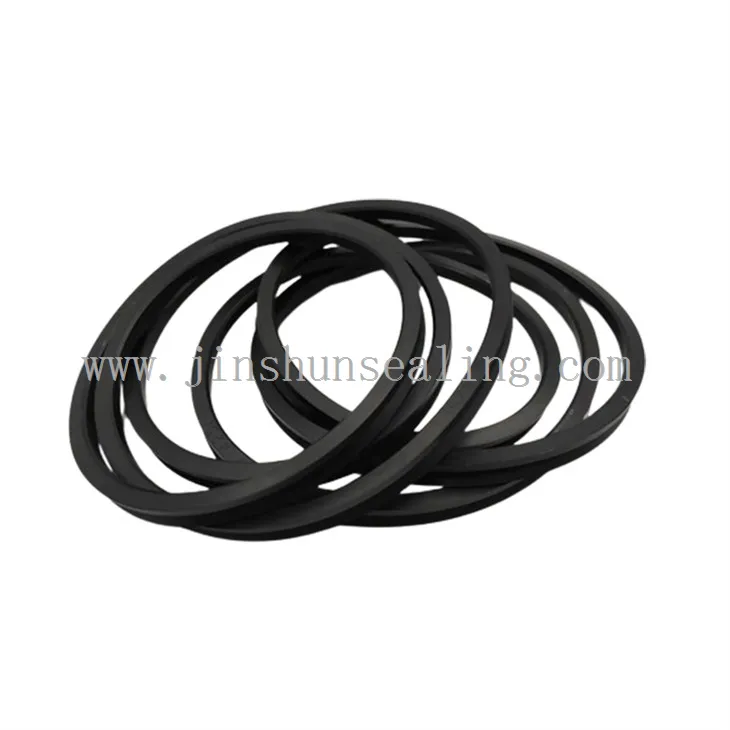
Now, let's talk about some common types of oil seals. Oil Seal Washer is a type that's often used in various applications. These washers help to provide an additional sealing function and can also protect the main seal from damage. They come in different sizes and materials, so you need to choose the right one for your specific needs.
Universal Oil Seals are another popular option. As the name suggests, they're designed to be used in a wide variety of applications. They offer a good balance between performance and cost - effectiveness.
So, how do you test the quality of an oil seal? One simple way is to do a visual inspection. As I mentioned earlier, look for any signs of damage, unevenness, or poor manufacturing. You can also do a simple pressure test. If possible, apply a small amount of pressure to the seal and see if it holds up. If there are any leaks or if the seal deforms significantly, it might not be a good - quality seal.
In addition to these physical checks, you can also look at the documentation that comes with the oil seal. A good - quality seal should come with detailed specifications, including information about the materials used, the recommended operating conditions, and any installation instructions.
If you're still not sure about the quality of an oil seal, you can always ask for samples from the supplier. This way, you can test the seal in your own application and see how it performs.
As an oil seals supplier, I know how important it is to have high - quality seals. Whether you're in the automotive industry, the manufacturing sector, or any other industry that uses oil seals, getting the right seal can save you a lot of time and money in the long run.
If you're interested in purchasing high - quality oil seals, I'd be more than happy to help you out. We have a wide range of oil seals to meet your different needs. Just reach out to us, and we can start a discussion about your specific requirements.
References:

- Industry standards and guidelines for oil seals
- Manufacturer's technical documentation for oil seals
- Personal experience as an oil seals supplier