


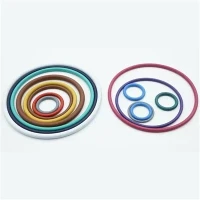


Hey there! As an O - Rings supplier, I've seen firsthand how important it is for O - Rings to have good anti - corrosion properties. Corrosion can really mess up the performance and lifespan of O - Rings, and that's a big no - no for anyone who relies on these little guys in their machinery or equipment. So, in this blog, I'm gonna share some tips on how to improve the anti - corrosion properties of O - Rings.
1. Material Selection
The first and most crucial step is choosing the right material for your O - Rings. Different materials have different levels of resistance to corrosion. For example, Viton O - Rings are known for their excellent resistance to chemicals, oils, and fuels. They can withstand a wide range of harsh environments, making them a great choice for applications where corrosion is a concern.
Another option is EPDM (Ethylene Propylene Diene Monomer). EPDM O - Rings are highly resistant to water, steam, and many chemicals. They're also great for outdoor applications because they can handle UV rays and ozone without getting corroded.
Silicone O - Rings are also popular. They have good resistance to high temperatures and some chemicals. However, they might not be as resistant to oils as Viton or some other materials.
When you're picking a material, think about the environment where the O - Ring will be used. If it's gonna be in contact with oil, go for a material like Viton. If it's more of a water - based or outdoor application, EPDM could be the way to go. You can check out our Oil Seal 60x80x8 which is made from high - quality materials with good anti - corrosion properties.
2. Surface Treatment
Surface treatment can significantly enhance the anti - corrosion capabilities of O - Rings. One common method is coating. You can apply a thin layer of anti - corrosion coating on the surface of the O - Ring. This coating acts as a barrier between the O - Ring and the corrosive substances.
There are different types of coatings available. For instance, PTFE (Polytetrafluoroethylene) coatings are very popular. PTFE is known for its low friction and excellent chemical resistance. When applied to an O - Ring, it can protect the O - Ring from a variety of corrosive agents.
Another option is a ceramic coating. Ceramic coatings are hard and can provide good protection against abrasion and corrosion. They can also withstand high temperatures, which is great for applications where the O - Ring will be exposed to heat.
However, it's important to make sure that the coating is applied evenly and that it adheres well to the O - Ring surface. Otherwise, it might not work as effectively.
3. Storage Conditions
Believe it or not, how you store your O - Rings can also affect their anti - corrosion properties. O - Rings should be stored in a cool, dry place away from direct sunlight and sources of heat. Exposure to high temperatures and sunlight can cause the O - Ring material to degrade over time, making it more susceptible to corrosion.
It's also a good idea to store O - Rings in a sealed container or bag. This can prevent dust, moisture, and other contaminants from coming into contact with the O - Rings. If possible, you can add a desiccant to the storage container to absorb any moisture.
When handling O - Rings during storage and installation, make sure your hands are clean. Oils and dirt from your hands can transfer to the O - Ring and potentially cause corrosion.
4. Regular Inspection and Maintenance
Regular inspection and maintenance are key to ensuring the long - term anti - corrosion performance of O - Rings. You should check your O - Rings periodically for signs of corrosion, such as discoloration, cracking, or swelling.
If you notice any signs of corrosion, it's important to replace the O - Ring as soon as possible. A corroded O - Ring can lead to leaks and other problems in your equipment, which can be costly to fix.
During maintenance, you can also clean the O - Rings. Use a mild detergent and water to clean the O - Rings gently. Avoid using harsh chemicals or abrasive materials, as these can damage the O - Ring surface and reduce its anti - corrosion properties.
5. Compatibility with Other Materials
The O - Ring doesn't exist in a vacuum. It's usually in contact with other materials in your equipment, such as metals, plastics, and fluids. It's important to make sure that the O - Ring is compatible with these other materials.
Some materials can react with each other and cause corrosion. For example, if an O - Ring is in contact with a metal that is prone to corrosion, the O - Ring might accelerate the corrosion process. So, when selecting an O - Ring, consider the materials it will be in contact with and choose a material that is compatible.
You can also use gaskets or seals made from the same material as the O - Ring to ensure compatibility. This can help prevent any chemical reactions that could lead to corrosion.
6. Design Considerations
The design of the O - Ring can also play a role in its anti - corrosion properties. For example, the cross - sectional shape of the O - Ring can affect how it seals and how well it resists corrosion. A well - designed O - Ring should have a proper fit in the groove where it's installed.
If the O - Ring is too loose in the groove, it might not form a good seal, which can allow corrosive substances to penetrate. On the other hand, if it's too tight, it can be stressed and more likely to crack, which can also lead to corrosion.
The size of the O - Ring is also important. Make sure you choose the right size for your application. Using an O - Ring that is too large or too small can cause problems and reduce its anti - corrosion performance.
7. Additives
Adding certain additives to the O - Ring material can improve its anti - corrosion properties. For example, antioxidants can be added to prevent the O - Ring material from oxidizing, which is a common cause of corrosion.
UV stabilizers can also be added if the O - Ring will be used outdoors. These stabilizers can protect the O - Ring from the damaging effects of UV rays, which can cause the material to break down and become more susceptible to corrosion.


However, it's important to use the right amount of additives. Too much of an additive can affect the physical properties of the O - Ring, such as its hardness and elasticity.
In conclusion, improving the anti - corrosion properties of O - Rings involves a combination of factors, from material selection to proper maintenance. By following these tips, you can ensure that your O - Rings last longer and perform better in corrosive environments.
If you're interested in purchasing high - quality O - Rings with excellent anti - corrosion properties, feel free to get in touch with us. We're here to help you find the right O - Rings for your specific needs.
References
- "Handbook of Elastomers" by Jacob K. Gillham
- "Sealing Technology Handbook" by John H. Bickford