




Hey there! I'm a supplier of silicone products, and I know that one of the most common requests we get is how to make silicone products more flexible. It's a great question because flexibility can really enhance the performance and usability of silicone items in a wide range of applications. So, let's dive into some practical ways to achieve that.
Understanding Silicone Basics
First off, it's important to have a basic understanding of silicone. Silicone is a synthetic polymer made up of silicon, oxygen, carbon, and hydrogen. It's known for its excellent heat resistance, chemical stability, and flexibility. But the level of flexibility can vary depending on a few factors.


The molecular structure of silicone plays a huge role. Silicone polymers consist of long chains of repeating units. These chains can be cross - linked to different degrees. When the cross - linking is very dense, the silicone becomes more rigid. On the other hand, a lower degree of cross - linking allows the chains to move more freely, resulting in a more flexible product.
Choosing the Right Silicone Material
The type of silicone you start with is crucial. There are different grades and formulations of silicone available on the market. For example, liquid silicone rubber (LSR) is often a good choice for flexible products. LSR has a low viscosity and can be easily molded into complex shapes. It also offers excellent flexibility right out of the box.
Another option is high - consistency rubber (HCR). While HCR is typically used for more rigid applications, there are softer grades of HCR that can provide a good balance of flexibility and durability. When selecting the material, it's important to work closely with your silicone supplier to understand the specific properties of each grade and how they will affect the final product's flexibility.
Adjusting the Cross - Linking Process
As I mentioned earlier, cross - linking is a key factor in determining flexibility. In the manufacturing process, you can control the amount of cross - linking agents used. For instance, if you're using a peroxide - cured silicone, reducing the amount of peroxide can result in a less cross - linked and more flexible product.
However, it's a delicate balance. Too little cross - linking can lead to a product that is too soft and lacks the necessary mechanical strength. So, it's important to conduct some tests to find the optimal level of cross - linking for your specific application.
Adding Plasticizers
Plasticizers are substances that can be added to silicone to increase its flexibility. They work by reducing the intermolecular forces between the silicone polymer chains, allowing them to move more freely. There are different types of plasticizers available, such as silicone - based plasticizers.
When using plasticizers, it's important to consider their compatibility with the silicone material. Some plasticizers may cause issues like migration, where they gradually move out of the silicone over time. This can lead to a loss of flexibility and other problems. So, make sure to choose a high - quality plasticizer that is specifically designed for use with silicone.
Design Considerations
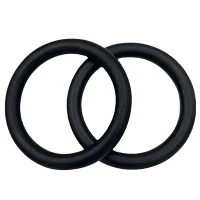
The design of the silicone product can also have a big impact on its flexibility. For example, if you're making a High Temperature Silicone Gasket, you can incorporate features like thinner walls or corrugations. Thinner walls generally allow for more flexibility because there is less material to resist bending.
Corrugations are another great design element. They act as built - in hinges, allowing the gasket to flex more easily. When designing your product, think about how it will be used and where flexibility is most important. This will help you optimize the design for maximum flexibility.
Post - Processing Treatments
After the silicone product is manufactured, there are some post - processing treatments that can enhance its flexibility. One common method is annealing. Annealing involves heating the silicone product to a specific temperature and then slowly cooling it. This process can help relieve internal stresses in the material, which can make it more flexible.
Another treatment is surface treatment. Applying a lubricant or a special coating to the surface of the silicone can reduce friction and allow the material to flex more easily. However, make sure that the coating is compatible with the silicone and won't affect its other properties.
Testing and Quality Control
Once you've made the necessary adjustments to make your silicone product more flexible, it's important to conduct thorough testing. You can use a variety of tests, such as bend tests, tensile tests, and compression tests, to measure the flexibility and other mechanical properties of the product.
Quality control is also crucial. Make sure that each batch of products meets the desired flexibility standards. This will help ensure that your customers are satisfied with the performance of the silicone products they receive.
Applications of Flexible Silicone Products
Flexible silicone products have a wide range of applications. For example, FDA Silicone Gasket are often used in the food and beverage industry. Their flexibility allows them to create a tight seal, preventing leaks and contamination.
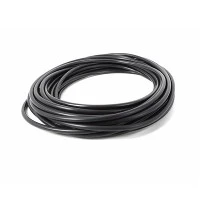
In the automotive industry, flexible silicone hoses like the Silicone Hose With POF Heat Shrink Film are used to transfer fluids. The flexibility of these hoses makes them easy to install in tight spaces and accommodates the movement of engine components.
Conclusion
Making silicone products more flexible is a multi - faceted process that involves choosing the right material, adjusting the manufacturing process, considering design factors, and conducting proper testing. By implementing these strategies, you can create high - quality, flexible silicone products that meet the needs of your customers.
If you're interested in learning more about flexible silicone products or have any questions about our silicone product offerings, don't hesitate to reach out. We're always happy to help you find the best solutions for your specific applications. Whether you're in need of a custom - made gasket or a specialized hose, we've got the expertise and resources to deliver top - notch products.
References
- "Silicone Rubber Technology" by Michael Szycher
- "Handbook of Silicones" by George Wypych