


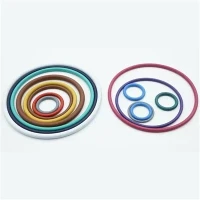

Hey there! As an EPDM O - ring supplier, I've seen my fair share of O - ring failures. It can be a real headache for both us suppliers and our customers. So, I thought I'd share some tips on how to prevent the failure of EPDM O - rings.
Understanding EPDM O - rings
First off, let's quickly talk about what EPDM O - rings are. EPDM, or Ethylene Propylene Diene Monomer, is a synthetic rubber known for its excellent resistance to weathering, ozone, and many chemicals. EPDM O - rings are used in a wide range of applications, from automotive to plumbing and even in the food and beverage industry. You can check out more about Epdm Rubber Ring on our website.
Common Causes of EPDM O - ring Failure
- Chemical Compatibility Issues
EPDM O - rings are great, but they're not invincible. They can react with certain chemicals, which can lead to swelling, hardening, or even disintegration. For example, EPDM doesn't play well with petroleum - based oils and fuels. If you're using EPDM O - rings in an environment where they'll come into contact with these substances, you're asking for trouble. - Temperature Extremes
EPDM has a limited temperature range. If the temperature gets too high or too low, the O - ring can lose its elasticity. At high temperatures, the rubber can start to break down, and at low temperatures, it can become brittle and crack. This is especially important in applications where the O - ring is exposed to fluctuating temperatures. - Improper Installation
You'd be surprised how often O - ring failure is due to improper installation. If the O - ring is stretched too much, cut, or nicked during installation, it won't seal properly. Also, if the groove where the O - ring sits isn't the right size or shape, it can cause uneven stress on the O - ring, leading to premature failure. - Aging and Oxidation
Over time, all rubber materials age and oxidize. EPDM is no exception. Exposure to oxygen, sunlight, and other environmental factors can cause the rubber to harden and lose its sealing properties. This is a natural process, but there are ways to slow it down.
How to Prevent EPDM O - ring Failure
- Choose the Right Material
The first step in preventing failure is to choose the right EPDM compound for your application. There are different types of EPDM, and some are better suited for specific environments than others. For example, Peroxide Cured O Rings offer better heat and chemical resistance compared to sulfur - cured ones. Make sure to consult with us or do your research to find the best fit. - Check Chemical Compatibility
Before using EPDM O - rings in a particular environment, check the chemical compatibility. There are many chemical compatibility charts available online that can give you an idea of which chemicals EPDM can handle. If you're unsure, it's always a good idea to test a sample O - ring in the actual environment before full - scale implementation. - Control the Temperature
If possible, try to keep the temperature within the recommended range for EPDM. In high - temperature applications, you can use heat - resistant EPDM compounds or add insulation to protect the O - ring. In low - temperature applications, you might need to use a different type of rubber or add a heating element to keep the O - ring warm. - Proper Installation Techniques
When it comes to installation, take your time and do it right. Make sure the O - ring is clean and free of any debris. Use a lubricant that's compatible with EPDM to make the installation easier and prevent damage. Also, check the groove dimensions to ensure a proper fit. You can find more details about Epdm O Ring Cord on our site, which can be useful for custom - sized O - rings. - Regular Maintenance and Inspection
Don't just install the O - ring and forget about it. Regularly inspect the O - rings for signs of wear, damage, or aging. Replace them at the first sign of trouble. You can also implement a maintenance schedule to ensure that the O - rings are checked and replaced at appropriate intervals.
Storage of EPDM O - rings
Proper storage is also crucial in preventing O - ring failure. Store EPDM O - rings in a cool, dry place away from direct sunlight and sources of heat. Keep them away from chemicals and solvents that could damage the rubber. Also, make sure to store them in a way that they're not under any unnecessary stress or pressure.
Conclusion
Preventing the failure of EPDM O - rings is all about understanding the material, the application, and taking the right precautions. By choosing the right material, checking chemical compatibility, controlling the temperature, using proper installation techniques, and performing regular maintenance, you can significantly extend the life of your EPDM O - rings.


If you're in the market for high - quality EPDM O - rings or need more advice on preventing O - ring failure, don't hesitate to reach out. We're here to help you find the best solutions for your specific needs. Let's work together to ensure that your applications run smoothly and efficiently.
References
- "Handbook of Elastomers" by P. K. Bhowmick and H. L. Stephens
- "Rubber Technology" by Maurice Morton