


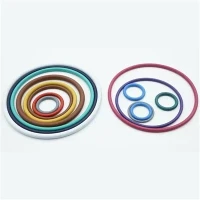

As a supplier of molded rubber seals, I understand the importance of proper storage to maintain the quality and performance of these essential components. In this blog post, I'll share some scientific and practical tips on how to store molded rubber seals properly.
Understanding the Characteristics of Molded Rubber Seals
Before delving into storage methods, it's crucial to understand the properties of molded rubber seals. Rubber is a polymer material that can be affected by various environmental factors such as temperature, humidity, light, and chemicals. These factors can cause rubber to degrade, lose its elasticity, and ultimately fail to perform its sealing function.
Temperature and Humidity Control
One of the most critical factors in storing molded rubber seals is temperature control. Rubber seals should be stored in a cool, dry place away from direct sunlight and heat sources. High temperatures can accelerate the aging process of rubber, causing it to become brittle and lose its flexibility. On the other hand, extremely low temperatures can make the rubber hard and less elastic.
The ideal temperature range for storing rubber seals is between 20°C and 25°C (68°F - 77°F). Humidity should also be kept at a moderate level, preferably between 40% and 60%. High humidity can lead to the growth of mold and mildew on the rubber surface, which can damage the seals.
Protection from Light
Exposure to light, especially ultraviolet (UV) light, can cause rubber to deteriorate. UV rays can break down the chemical bonds in the rubber, leading to discoloration, cracking, and loss of physical properties. Therefore, rubber seals should be stored in opaque containers or in a dark storage area to prevent light exposure.
Avoidance of Chemical Exposure
Rubber seals can be sensitive to certain chemicals, including solvents, oils, and acids. These chemicals can react with the rubber, causing swelling, softening, or hardening. When storing rubber seals, it's essential to keep them away from areas where they may come into contact with such chemicals.
If you need to clean the rubber seals before storage, use a mild, non - abrasive cleaner and a soft cloth. Avoid using harsh chemicals or abrasive materials that could damage the rubber surface.
Proper Packaging
Proper packaging is another key aspect of storing molded rubber seals. Seals should be individually wrapped in plastic bags or other protective materials to prevent them from coming into contact with each other. This helps to avoid scratches and abrasions during storage and handling.
For larger quantities of rubber seals, they can be stored in sealed containers or boxes. Label the containers clearly with the type, size, and quantity of the seals to make it easier to locate and manage them.


Storage in a Clean Environment
The storage area should be clean and free from dust, dirt, and debris. Regularly clean the storage shelves and containers to prevent the accumulation of contaminants. A clean environment helps to maintain the integrity of the rubber seals and reduces the risk of damage.
Stacking and Handling
When stacking rubber seals, be careful not to apply excessive pressure on the lower seals. Over - stacking can cause deformation of the seals, especially if they are soft or have a complex shape. Use appropriate storage racks or shelves to ensure that the seals are stored in a stable and non - compressed manner.
During handling, always use clean gloves to prevent the transfer of oils and contaminants from your hands to the rubber seals. Avoid dropping or mishandling the seals, as this can cause physical damage.
Rotation of Stock
To ensure that the rubber seals are used before they reach the end of their shelf life, it's important to implement a first - in, first - out (FIFO) inventory management system. This means that the oldest seals should be used first, reducing the risk of using expired or degraded seals.
Specific Examples of Stored Rubber Seals
Let's take a look at some specific types of rubber seals and their storage requirements. For example, Rubber Bumper is often used for cushioning and protection. Due to its relatively soft nature, it should be stored carefully to avoid deformation. It's recommended to store rubber bumpers in a flat position to maintain their shape.
The 3 Inch Rubber Seal may have specific sealing requirements, and proper storage is crucial to ensure its performance. This type of seal should be stored in a way that protects its circular shape and prevents any damage to the sealing surface.
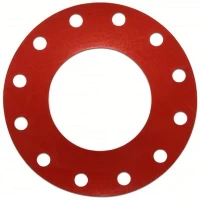
Flat Rubber Seal Ring is commonly used in various applications. To prevent warping, it should be stored on a flat surface and protected from any external forces that could distort its shape.
Conclusion
Proper storage of molded rubber seals is essential to maintain their quality and performance. By controlling temperature and humidity, protecting from light and chemicals, using proper packaging, and following good inventory management practices, you can ensure that your rubber seals remain in optimal condition for a longer period.
If you are in the market for high - quality molded rubber seals or need more information on their storage and application, feel free to contact us. We are a professional supplier with extensive experience in providing reliable rubber seal solutions. Our team of experts can assist you in choosing the right seals for your specific needs and offer guidance on proper storage and usage.
References
- ASTM International. "Standard Practices for Rubber Products - Storage."
- Rubber Manufacturers Association. "Guidelines for the Storage of Rubber Products."