


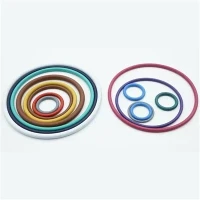



Hey there! As a supplier of silicone hoses, I've seen firsthand how important it is to store these products properly. Silicone hoses are used in a wide range of applications, from automotive to food processing, and improper storage can lead to damage, degradation, and even safety hazards. In this blog post, I'll share some tips on how to store silicone hoses properly to ensure their longevity and performance.
1. Clean the Hoses Before Storage
Before you store your silicone hoses, it's crucial to clean them thoroughly. Any dirt, debris, or chemicals left on the hoses can cause damage over time. Use a mild soap and warm water to clean the hoses, and make sure to rinse them thoroughly to remove all soap residue. If the hoses have been used in a particularly dirty or chemical - exposed environment, you might need to use a specialized cleaner. Just make sure it's compatible with silicone.
2. Choose the Right Storage Location
The storage location plays a huge role in the lifespan of your silicone hoses. Here are some key factors to consider:
- Temperature: Silicone hoses should be stored in a cool, dry place. High temperatures can cause the silicone to soften, lose its shape, and degrade faster. Aim for a storage temperature between 20°C and 25°C (68°F - 77°F). Avoid storing the hoses near heat sources like radiators, furnaces, or direct sunlight.
- Humidity: Excessive humidity can lead to mold and mildew growth on the hoses, which can damage the silicone. Keep the storage area well - ventilated and maintain a relative humidity level below 60%.
- Light: Prolonged exposure to UV light can cause the silicone to become brittle and crack. Store the hoses in a dark place or use opaque storage containers to protect them from light.
3. Proper Coiling and Support
How you coil and support the silicone hoses during storage is also important.
- Coiling: When coiling the hoses, make sure the coils are not too tight. Tight coils can cause kinks and stress points in the hose, which can lead to cracking or splitting over time. Use a large - diameter coil or a hose reel to keep the hoses in a gentle curve.
- Support: If you're storing long hoses, provide adequate support to prevent sagging. You can use racks, hooks, or shelves to keep the hoses off the ground and properly supported. This helps to maintain the shape of the hoses and prevents them from being crushed or damaged.
4. Protect from Chemicals and Contaminants
Silicone hoses can be sensitive to certain chemicals. Avoid storing them near chemicals such as solvents, oils, acids, and alkalis. These substances can react with the silicone, causing it to swell, harden, or break down. If the hoses need to be stored in an area where chemicals are present, make sure they are properly sealed in a container to prevent contact.
5. Use Protective Packaging
Using protective packaging can add an extra layer of protection to your silicone hoses. You can use plastic bags, tubes, or custom - made covers to keep the hoses clean and protected from dust, dirt, and physical damage. Make sure the packaging is made of a material that is compatible with silicone and does not contain any chemicals that could harm the hoses.
6. Regular Inspection
Even when the hoses are in storage, it's a good idea to inspect them regularly. Check for any signs of damage, such as cracks, tears, or discoloration. If you notice any issues, take appropriate action immediately. This could involve replacing the damaged hose or taking steps to prevent further damage.


Different Types of Silicone Hoses and Their Storage
We offer a variety of silicone hoses, each with its own unique properties and storage requirements.
- Fluoro Silicone Hose: Fluoro silicone hoses are known for their excellent chemical resistance and high - temperature performance. They are often used in aerospace and automotive applications. When storing Fluoro Silicone Hose, follow the general storage guidelines mentioned above. However, since they are more resistant to chemicals, they may be less affected by minor chemical exposure in the storage area. But still, it's best to keep them away from harsh chemicals.
- Food - Grade Silicone Inlet Tube: These hoses are used in the food and beverage industry, so cleanliness is of utmost importance. In addition to the standard cleaning and storage procedures, make sure the storage area is clean and free from any potential contaminants. You may want to use additional protective packaging, such as food - grade plastic bags, to keep the hoses safe. Check out our Food - Grade Silicone Inlet Tube for more details.
- Flexible Silicone Rubber Tubing: Flexible silicone rubber tubing is widely used in various industries due to its flexibility and durability. When storing Flexible Silicone Rubber Tubing, pay special attention to the coiling and support. Since it's flexible, it can easily get kinked or deformed if not stored properly. Use a hose reel or a large - diameter coil to maintain its shape.
Conclusion
Proper storage of silicone hoses is essential to ensure their quality and performance. By following these tips, you can extend the lifespan of your hoses and avoid costly replacements. If you're in the market for high - quality silicone hoses, we're here to help. Whether you need Fluoro Silicone Hose, Food - Grade Silicone Inlet Tube, or Flexible Silicone Rubber Tubing, we have a wide range of products to meet your needs. Contact us to start a procurement discussion and find the perfect silicone hoses for your applications.
References
- "Silicone Rubber Handbook" by John W. S. Hearle
- Various industry standards and guidelines on silicone product storage