




Oil seals play a crucial role in the functionality and longevity of machine tools. As a leading oil seals supplier, I've witnessed firsthand the diverse applications and the significant impact these components have on various types of machinery. In this blog, I'll explore the applications of oil seals in machine tools, highlighting their importance and the different types available.
The Basics of Oil Seals in Machine Tools
Machine tools are precision devices used for shaping, cutting, and forming metal and other materials. These tools often operate under high pressures, temperatures, and speeds, which can lead to the leakage of lubricants and the ingress of contaminants. Oil seals are designed to prevent these issues by creating a barrier between different components of the machine.

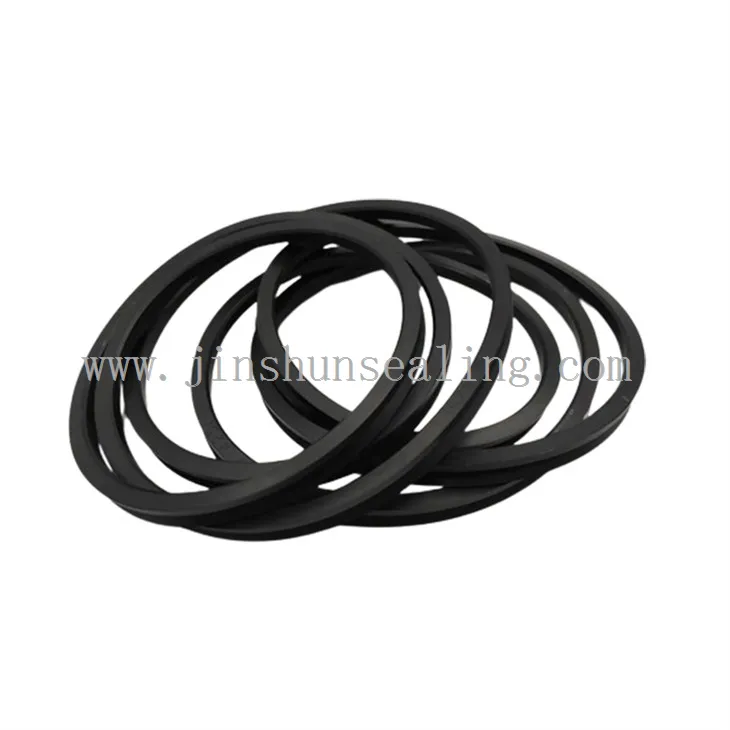
They are typically made from various materials, each with its own set of properties suitable for different applications. Common materials include rubber, silicone, and nitrile. For instance, Oil Seal Silicone is known for its excellent resistance to high temperatures and weathering, making it ideal for machine tools that operate in harsh environments. On the other hand, Nitrile Oil Seal offers good resistance to oil and fuel, making it a popular choice for general-purpose applications.
Applications in Rotary Machine Tools
One of the most common applications of oil seals is in rotary machine tools, such as lathes, milling machines, and grinders. These machines rely on rotating components, such as spindles and shafts, to perform their functions. Oil seals are used to seal the gaps between these rotating parts and the stationary housing, preventing the leakage of lubricating oil and the entry of dust and debris.
In lathes, for example, oil seals are installed around the spindle to maintain the proper lubrication of the bearings. This not only reduces friction and wear but also ensures the accuracy and precision of the machining process. Without proper sealing, the lubricant can leak out, leading to increased friction, overheating, and ultimately, premature failure of the bearings.
Similarly, in milling machines, oil seals are used to protect the gears and bearings from contamination. Milling operations generate a significant amount of metal chips and dust, which can easily enter the machine's internal components if not properly sealed. By using high-quality oil seals, such as Universal Oil Seals, manufacturers can ensure the smooth operation and long service life of their milling machines.
Applications in Linear Machine Tools
Linear machine tools, such as broaching machines and planers, also benefit from the use of oil seals. These machines use linear motion to perform their operations, and oil seals are used to prevent the leakage of hydraulic fluid and the ingress of contaminants in the linear guides and cylinders.
In broaching machines, oil seals are installed in the hydraulic cylinders to maintain the pressure and prevent fluid leakage. This is crucial for the proper functioning of the broaching process, as any loss of pressure can result in inaccurate cuts and reduced productivity. Additionally, oil seals protect the linear guides from dust and debris, ensuring smooth and precise linear motion.
Planers, which are used for surface finishing, also rely on oil seals to protect their internal components. The reciprocating motion of the planer's table can cause the lubricant to splash and leak, which can lead to corrosion and damage to the machine. By using appropriate oil seals, manufacturers can prevent these issues and ensure the consistent performance of their planers.
Applications in Hydraulic and Pneumatic Systems
Many machine tools use hydraulic and pneumatic systems to power their operations. Oil seals are essential in these systems to prevent the leakage of hydraulic fluid or compressed air. In hydraulic systems, oil seals are used in pumps, valves, and cylinders to maintain the pressure and ensure the efficient transfer of power.
In hydraulic pumps, for example, oil seals are installed around the shaft to prevent the leakage of hydraulic fluid. This is important for maintaining the pump's efficiency and preventing damage to the surrounding components. Similarly, in hydraulic cylinders, oil seals are used to seal the piston and rod, ensuring smooth and reliable operation.
Pneumatic systems also rely on oil seals to prevent air leakage. In pneumatic valves, oil seals are used to ensure a tight seal between the valve components, preventing the loss of compressed air and ensuring the proper functioning of the valve. By using high-quality oil seals in hydraulic and pneumatic systems, manufacturers can improve the performance and reliability of their machine tools.
Importance of Choosing the Right Oil Seals
Selecting the right oil seals for machine tools is crucial for ensuring their optimal performance and longevity. Factors such as the operating temperature, pressure, speed, and the type of lubricant used need to be considered when choosing an oil seal.
For high-temperature applications, materials such as silicone or fluorocarbon rubber are recommended, as they can withstand extreme temperatures without losing their sealing properties. For applications where resistance to oil and fuel is required, nitrile rubber is a suitable choice. Additionally, the size and shape of the oil seal need to be carefully selected to ensure a proper fit and effective sealing.
As an oil seals supplier, I understand the importance of providing our customers with the right products for their specific applications. We offer a wide range of oil seals, including Universal Oil Seals, Oil Seal Silicone, and Nitrile Oil Seal, to meet the diverse needs of the machine tool industry.
Conclusion
In conclusion, oil seals are essential components in machine tools, playing a vital role in preventing leakage, protecting against contamination, and ensuring the smooth operation of the machinery. Whether in rotary or linear machine tools, hydraulic or pneumatic systems, the right oil seals can significantly improve the performance and longevity of the equipment.
As a trusted oil seals supplier, we are committed to providing high-quality products and excellent customer service. If you are in the market for oil seals for your machine tools, we encourage you to contact us for more information and to discuss your specific requirements. Our team of experts is ready to assist you in choosing the right oil seals for your applications and to provide you with the best solutions for your business.
References
- "Handbook of Sealing Technology" by John H. Bickford
- "Machine Design: An Integrated Approach" by Robert L. Norton
- "Hydraulic and Pneumatic Systems: Theory and Applications" by David Crolla