


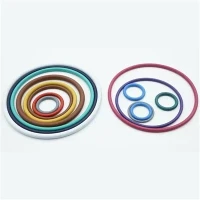

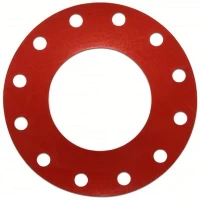
When it comes to buying molded rubber seals, there are several cost - related factors that you need to take into account. As a molded rubber seals supplier, I've seen firsthand how these costs can vary and impact a buyer's decision. So, let's dive right in and explore what you should be thinking about.
Material Costs
The type of rubber material you choose for your seals is a major cost determinant. Different rubber compounds come with different price tags, and it's crucial to understand the pros and cons of each.
- Silicone Rubber: Silicone rubber is known for its excellent heat resistance, weatherability, and electrical insulation properties. It's often used in high - end applications where these features are essential. However, it tends to be more expensive than other rubber types. For example, our Solid Silicone Plug is made from high - quality silicone rubber, which ensures a long - lasting and reliable seal. But the cost reflects the superior properties of the material.
- Neoprene: Neoprene is a popular choice due to its good resistance to oil, chemicals, and ozone. It's also relatively more affordable compared to silicone. Our Neoprene Gasket Seal offers a cost - effective solution for applications that require moderate chemical and weather resistance.
- EPDM: EPDM rubber is great for outdoor applications because of its excellent weather and UV resistance. It's another cost - friendly option. If you're looking for a seal for a project exposed to the elements, EPDM could be a great choice without breaking the bank.
Manufacturing Process Costs
The way the rubber seals are manufactured also affects the overall cost.
- Molding Method: There are different molding processes, such as compression molding, injection molding, and transfer molding. Compression molding is often the most cost - effective for small - to medium - sized production runs. It's a relatively simple process where the rubber compound is placed in a mold cavity and then compressed under heat and pressure. Injection molding, on the other hand, is more suitable for high - volume production. Although the initial setup cost for injection molding is higher, the per - unit cost can be lower when producing a large number of seals.
- Tooling Costs: Creating the molds for rubber seals is a significant expense. The complexity of the seal design directly impacts the tooling cost. A simple, standard - shaped seal will require less complex tooling and thus be cheaper. But if you need a custom - designed seal with intricate features, the tooling cost can be quite high. However, as a supplier, we work with you to optimize the design and find cost - effective solutions for tooling.
Quantity and Volume
The quantity of seals you order has a direct impact on the cost.
- Economies of Scale: Generally, the more seals you order, the lower the per - unit cost. This is because many of the fixed costs, such as tooling and setup costs, can be spread over a larger number of units. For example, if you order a small batch of 100 seals, the cost per seal will be higher compared to ordering 1000 seals. So, if your project allows, it's often a good idea to order in larger quantities to save on cost.
- Minimum Order Quantities (MOQ): Some suppliers have a minimum order quantity. This is to ensure that they can cover their costs and make the production worthwhile. As a supplier, we try to be flexible with our MOQ to accommodate different customer needs.
Quality and Testing
Ensuring the quality of rubber seals is essential, and this also adds to the cost.
- Quality Control: We have strict quality control measures in place to make sure that every seal meets the required standards. This includes visual inspections, dimensional checks, and performance testing. The cost of these quality control processes is factored into the price of the seals. For example, seals used in critical applications like automotive or aerospace industries need to undergo more rigorous testing, which can increase the cost.
- Certifications: If your project requires specific certifications, such as FDA approval for food - contact applications or RoHS compliance for environmental safety, there will be additional costs associated with obtaining these certifications.
Shipping and Logistics
Don't forget about the cost of getting the seals from our facility to your location.
- Shipping Method: The choice of shipping method can significantly affect the cost. Express shipping is faster but more expensive, while standard shipping is more cost - effective but takes longer. We work with reliable shipping partners to offer you the best balance between cost and delivery time.
- Customs and Duties: If you're ordering from overseas, you may have to pay customs duties and taxes. These costs can vary depending on the country of origin and destination, as well as the nature of the product. We can provide you with guidance on these potential costs.
Additional Features and Customization
If you need additional features or customizations for your rubber seals, it will add to the cost.
- Color and Appearance: If you require a specific color for your seals, it may involve using special pigments or additives, which can increase the cost. Also, if you need a particular surface finish or texture, there will be additional processing steps.
- Custom Shapes and Sizes: As mentioned earlier, custom - designed seals require more complex tooling. In addition, the manufacturing process may be more challenging, leading to a higher cost. For example, if you need a rubber seal with a unique shape for a specialized application, the price will reflect the custom work involved.
Long - Term Costs
When evaluating the cost of buying rubber seals, it's important to consider the long - term costs.
- Durability and Lifespan: A higher - quality seal may cost more upfront but can save you money in the long run. A durable seal will last longer, reducing the need for frequent replacements. This can be especially important in applications where downtime for seal replacement can be costly, such as in industrial machinery.
- Performance and Efficiency: A well - designed and high - quality seal can improve the performance and efficiency of your equipment. For example, a good rubber draught seal can reduce energy consumption by preventing air leakage. Our Rubber Draught Seal is designed to provide an effective seal, which can lead to long - term cost savings.
In conclusion, when buying molded rubber seals, there are many cost considerations. From material selection to shipping, each factor plays a role in determining the overall cost. As a supplier, we understand these concerns and are committed to working with you to find the most cost - effective solutions for your needs. Whether you're looking for a standard seal or a custom - designed one, we can help you balance cost and quality. If you're interested in discussing your requirements and getting a quote, feel free to reach out to us. Let's work together to find the perfect rubber seals for your project.


References
- "Rubber Seals: Materials, Design, and Applications" - A Handbook on Rubber Seals
- Industry reports on rubber manufacturing and cost analysis