


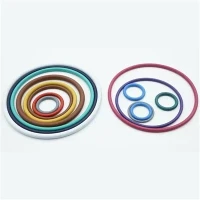


Hey there! As an oil seals supplier, I've seen firsthand how the surface finish of oil seals can have a huge impact on their performance. So, let's dive into what those effects are.
1. Friction and Wear
The surface finish of an oil seal plays a critical role in determining the amount of friction it generates when in contact with the shaft. A rough surface finish can lead to increased friction. When the seal rubs against the shaft, the high - friction areas can cause excessive heat generation. This heat not only accelerates the wear of the seal material itself but also affects the integrity of the lubricating oil.
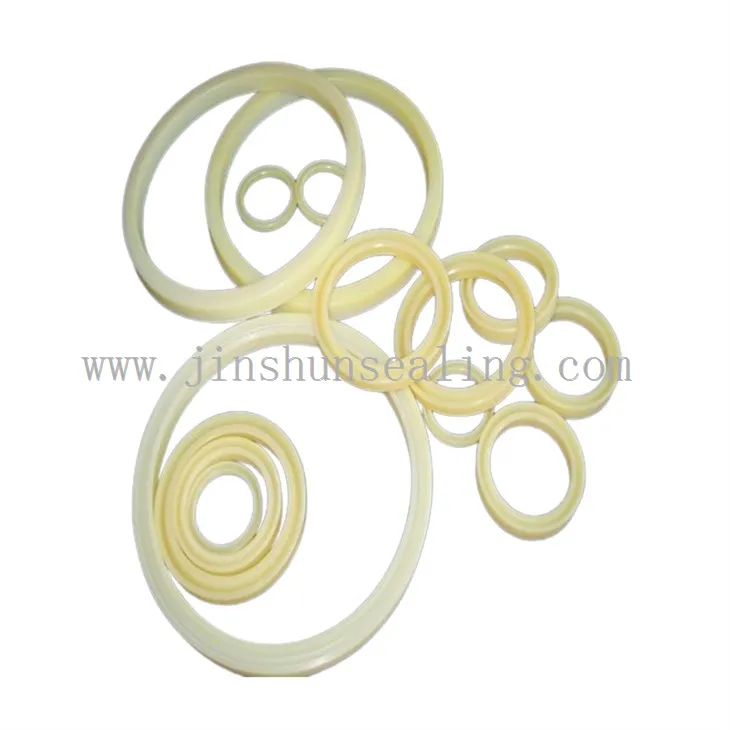
For example, if you have a Polyurethane Oil Seal with a rough surface finish, the polyurethane can start to degrade more quickly due to the heat. Over time, this wear can lead to a loss of the seal's ability to contain the oil properly, resulting in leaks. On the other hand, a smooth surface finish reduces friction. This means less heat is generated, and the seal and the shaft experience less wear. The seal will last longer, and you'll have fewer maintenance issues.
2. Sealing Efficiency
The main job of an oil seal is to prevent the leakage of oil and the ingress of contaminants. The surface finish directly impacts this sealing efficiency. A well - finished surface can conform better to the shaft's surface. When the seal has a smooth and uniform surface, it can create a more effective barrier against oil leakage.
Imagine an 35x55x8 Oil Seal. If its surface finish is poor, there may be microscopic gaps or irregularities between the seal and the shaft. These gaps can allow oil to seep through, even if the seal seems to be properly installed. In contrast, a high - quality surface finish ensures that the seal makes intimate contact with the shaft, minimizing the chances of oil leakage.
Contaminant ingress is also a major concern. A rough surface finish can act like a magnet for dirt, dust, and other particles. These contaminants can get trapped in the rough areas of the seal and cause damage to both the seal and the shaft. A smooth surface finish, however, makes it more difficult for contaminants to adhere to the seal, thus protecting the internal components of the machinery.
3. Lubrication
Proper lubrication is essential for the smooth operation of any machinery that uses oil seals. The surface finish of the seal affects how the lubricating oil behaves. A rough surface finish can disrupt the oil film that forms between the seal and the shaft. This oil film is crucial as it reduces friction and wear, and also helps in heat dissipation.
When the surface is rough, the oil film may break down more easily. This can lead to metal - to - metal contact between the seal and the shaft, which is extremely damaging. A smooth surface finish, on the other hand, allows the oil film to remain intact. The oil can flow more freely over the surface, providing better lubrication and protection for the seal and the shaft.

4. Noise and Vibration
In some applications, noise and vibration can be significant problems. The surface finish of the oil seal can contribute to these issues. A rough surface finish can cause uneven contact between the seal and the shaft. As the shaft rotates, this uneven contact can lead to vibrations. These vibrations, in turn, can generate noise that can be annoying and may even indicate a problem with the machinery.
For instance, in automotive engines or industrial pumps, excessive noise and vibration can be a sign of a poorly finished oil seal. By using seals with a smooth surface finish, the contact between the seal and the shaft is more consistent. This reduces the likelihood of vibrations and the associated noise, leading to a quieter and more stable operation of the machinery.
5. Compatibility with Shaft Materials
Different shaft materials have different surface characteristics. The surface finish of the oil seal needs to be compatible with the shaft material to ensure optimal performance. For example, if you're using a seal with a very smooth finish on a rough - surfaced shaft, the seal may not be able to conform properly to the shaft. This can lead to poor sealing and increased wear.
On the other hand, if the seal has a rough finish and is used with a shaft made of a soft material, it can damage the shaft surface. As an oil seals supplier, we take into account the shaft material when recommending seals with the appropriate surface finish. Our Universal Oil Seals are designed to be compatible with a wide range of shaft materials, but the surface finish still needs to be carefully considered for each application.
6. Installation and Assembly
The surface finish of an oil seal can also affect its installation and assembly process. A rough - finished seal can be more difficult to install. It may get stuck or damaged during installation, especially if it has to be pressed onto a shaft or into a housing. This can lead to improper installation, which can compromise the seal's performance.
A smooth - finished seal, on the other hand, slides more easily into place. This makes the installation process quicker and more reliable. It also reduces the risk of damaging the seal during installation, ensuring that it can perform as intended from the start.
Why Choose Our Oil Seals?
As an oil seals supplier, we understand the importance of surface finish. We use advanced manufacturing techniques to ensure that our seals have the optimal surface finish for each application. Whether you need a 35x55x8 Oil Seal, a Polyurethane Oil Seal, or a Universal Oil Seals, we've got you covered.
Our seals are tested rigorously to meet the highest standards of quality. We know that the performance of your machinery depends on the quality of the oil seals, and we're committed to providing you with the best products.
If you're in the market for oil seals and want to discuss your specific requirements, we'd love to hear from you. Contact us to start a conversation about how our oil seals can improve the performance of your equipment.
References
- "Handbook of Sealing Technology" by Lebeck
- "Mechanical Seals: Principles and Design" by Etsion