


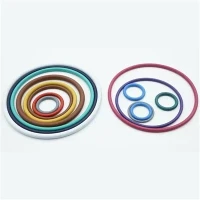

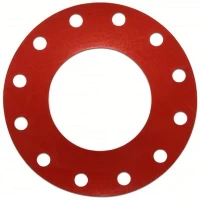
Hey there! As a rubber seals supplier, I've seen my fair share of rubber seals losing their elasticity over the years. It's a common issue that can cause all sorts of problems, from leaks to equipment malfunctions. So, I thought I'd take a moment to share some of the reasons why rubber seals might lose their elasticity and what you can do to prevent it.
1. Aging and Oxidation
One of the most common reasons for rubber seals to lose elasticity is simply the passage of time. Rubber is a polymer, and like all polymers, it undergoes a process called aging. Over time, exposure to oxygen in the air causes the rubber molecules to break down and cross - link. This cross - linking makes the rubber harder and less flexible, gradually reducing its elasticity.
Think of it like an old rubber band. When it's new, it can stretch easily and snap back into shape. But after a few years, it becomes brittle and breaks when you try to stretch it. The same thing happens to rubber seals. To slow down this process, you can store rubber seals in a cool, dry place away from direct sunlight and oxygen.
2. Temperature Extremes
Temperature plays a huge role in the elasticity of rubber seals. Extreme heat can cause the rubber to soften and lose its shape. When rubber gets too hot, the molecules start to move more freely, which weakens the structure of the rubber. This can lead to the seal becoming deformed and losing its ability to create a tight seal.
On the other hand, extreme cold can make rubber hard and brittle. Cold temperatures slow down the movement of the rubber molecules, causing the rubber to contract. If the seal is exposed to very cold conditions for a long time, it may crack or break when it's subjected to any kind of stress.
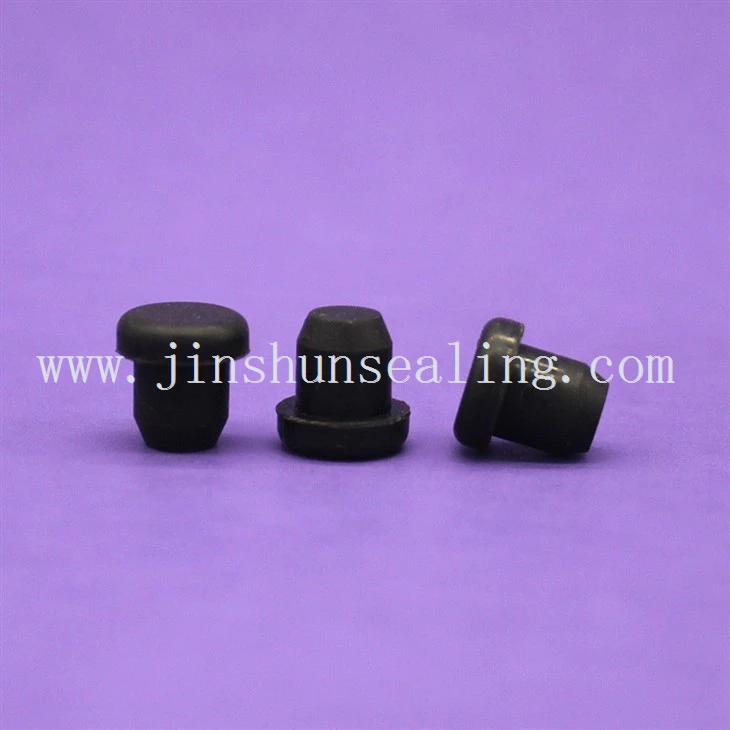
For example, if you're using a Solid Silicone Plug in an environment with high temperatures, make sure to choose a silicone material that can withstand those conditions. Different types of rubber have different temperature tolerances, so it's important to select the right one for your application.
3. Chemical Exposure
Rubber seals can come into contact with a variety of chemicals in different applications. Some chemicals can react with the rubber, causing it to swell, shrink, or break down. For instance, solvents, oils, and acids can all have a negative impact on the elasticity of rubber.
Solvents can dissolve the rubber, while oils can cause the rubber to swell and lose its shape. Acids can react with the rubber molecules, changing their structure and reducing the seal's elasticity. If your rubber seals are going to be exposed to chemicals, it's crucial to choose a rubber material that is resistant to those specific chemicals.
Take the Neoprene Gasket Seal for example. Neoprene is known for its good resistance to oils and chemicals, making it a great choice for applications where chemical exposure is a concern.

4. Mechanical Stress
Constant mechanical stress can also take a toll on the elasticity of rubber seals. If a seal is constantly being stretched, compressed, or bent, it can cause the rubber molecules to break apart. This is especially true if the stress is applied beyond the seal's elastic limit.
For example, if a 3 Inch Rubber Seal is installed in a way that it's always under excessive pressure, it will gradually lose its ability to bounce back to its original shape. To prevent this, make sure to install rubber seals correctly and avoid over - stressing them.
5. UV Radiation
Ultraviolet (UV) radiation from the sun can be very harmful to rubber seals. UV rays can break down the chemical bonds in the rubber, causing it to become brittle and lose its elasticity. This is a common problem for outdoor applications where rubber seals are constantly exposed to sunlight.
If your rubber seals are going to be used outdoors, you should look for rubber materials that have UV - resistant properties. Some manufacturers add special additives to the rubber to make it more resistant to UV radiation.
How to Prevent Rubber Seals from Losing Elasticity
Now that we've covered the main reasons why rubber seals lose their elasticity, let's talk about how to prevent it.
- Proper Storage: As I mentioned earlier, store rubber seals in a cool, dry place away from sunlight, oxygen, and chemicals. This can significantly extend their lifespan.
- Select the Right Material: Consider the operating conditions of your application, such as temperature, chemicals, and mechanical stress, when choosing a rubber seal. Different rubber materials have different properties, so pick the one that best suits your needs.
- Correct Installation: Make sure to install rubber seals correctly to avoid over - stressing them. Follow the manufacturer's instructions for installation and use the right tools.
- Regular Inspection: Check your rubber seals regularly for signs of wear, damage, or loss of elasticity. Replace them as soon as you notice any problems to prevent further issues.
Conclusion
Losing elasticity is a common problem for rubber seals, but by understanding the reasons behind it and taking the right preventive measures, you can ensure that your rubber seals last longer and perform better. As a rubber seals supplier, I'm always here to help you choose the right seals for your applications and provide you with any advice you might need.
If you're in the market for high - quality rubber seals, whether it's a Solid Silicone Plug, a Neoprene Gasket Seal, or a 3 Inch Rubber Seal, feel free to reach out to me. We can discuss your requirements in detail and find the perfect solution for you.
References
- "The Science of Rubber: Properties and Applications" by Rubber Research Institute
- "Rubber Seals Handbook" published by Seal Manufacturers Association