



Hey there! As a long - time Unitized Seal supplier, I've had my fair share of discussions about the ins and outs of these seals. One question that pops up quite often is: What are the sealing mechanisms of unitized seals? Well, let's dive right in and explore this topic.
Basics of Unitized Seals
First off, for those who aren't super familiar, unitized seals are designed to provide a reliable and efficient seal in various applications. They typically combine multiple sealing elements into one integrated unit, which makes them a popular choice in industries like automotive, manufacturing, and aerospace.
What makes unitized seals so great? It's all about their ability to handle different types of pressures, temperatures, and environmental conditions. Whether it's keeping out dirt and moisture or preventing the leakage of fluids, these seals are up for the challenge.
The Main Sealing Mechanisms
Compression Sealing
One of the most common sealing mechanisms in unitized seals is compression sealing. In this method, the seal is compressed between two surfaces, creating a tight barrier. When you install a unitized seal, you apply a certain amount of pressure to deform the seal slightly. This deformation fills the gaps and irregularities between the mating surfaces, preventing fluids or gases from passing through.
Think of it like squeezing a soft rubber gasket between two metal plates. The more you compress it, the better the seal becomes. Compression sealing is effective because it can adapt to minor surface imperfections. However, it's important to get the compression force right. Too little, and the seal won't be tight enough; too much, and you might damage the seal over time.
Adhesive Sealing
Adhesive sealing is another way unitized seals work. Some seals come with a special adhesive layer on one or both sides. This adhesive bonds the seal to the mating surfaces, creating a strong and durable seal. Adhesive - sealed unitized seals are particularly useful in applications where vibration or movement might cause a compression - only seal to loosen.
The advantage of adhesive sealing is that it can provide a more permanent and reliable seal in some cases. But choosing the right adhesive is crucial. The adhesive needs to be compatible with the materials of the seal and the mating surfaces, as well as the operating environment. For example, if the seal is going to be exposed to high temperatures or chemicals, the adhesive must be able to withstand those conditions.
Labyrinth Sealing
Labyrinth sealing is a bit more complex but highly effective. In a labyrinth - style unitized seal, the seal has a series of channels, grooves, or chambers that create a tortuous path for the fluid or gas trying to pass through. This makes it extremely difficult for the substance to leak.
When a fluid or gas tries to get through the seal, it has to navigate through these winding paths. Along the way, its energy is dissipated, and the flow rate is reduced. Eventually, the substance is either trapped within the labyrinth or redirected back to its source. Labyrinth seals are often used in high - speed applications, such as in rotating machinery, where other types of seals might not be as effective.


Factors Affecting Sealing Performance
Now, it's not just about the sealing mechanisms. There are several factors that can affect how well a unitized seal actually performs.
Material Selection
The material of the unitized seal is super important. Different materials have different properties, such as hardness, flexibility, chemical resistance, and temperature tolerance. For example, Rubber Draught Seal is often used in applications where flexibility and good sealing under low pressures are required. On the other hand, if you need a seal that can withstand high temperatures and harsh chemicals, you might opt for a more advanced material like fluorocarbon rubber.
As a supplier, I always make sure to understand the specific requirements of my customers so that I can recommend the most suitable material for their unitized seals.
Surface Finish
The surface finish of the mating parts also plays a big role. If the surfaces are too rough, the seal might not be able to form a proper contact, leading to leakage. On the contrary, if the surfaces are too smooth, the seal might not be able to grip properly. A good surface finish ensures that the seal can make full contact with the mating surfaces and maintain a reliable seal.
Installation
Proper installation is key to the performance of unitized seals. If the seal is installed incorrectly, it can be damaged, or it might not be compressed or positioned properly. This can result in poor sealing performance and a shorter lifespan for the seal. That's why I always provide detailed installation instructions to my customers and offer support if they have any questions.
Applications of Unitized Seals
Unitized seals have a wide range of applications. In the automotive industry, they are used in engines, transmissions, and differentials to prevent oil leakage and keep out contaminants. In manufacturing, they are used in machinery and equipment to ensure the proper functioning of hydraulic and pneumatic systems. And in the aerospace industry, unitized seals are used in critical components to maintain the integrity of the systems under extreme conditions.
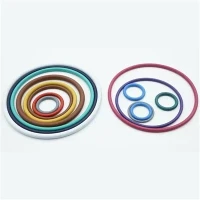
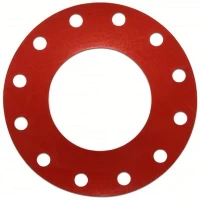
For example, Rubber Bumper can be used as part of a unitized seal in automotive applications to provide additional protection against impacts and vibrations. And Flat Rubber Seal Ring is commonly used in various industrial applications to create a flat, reliable seal.
Why Choose Our Unitized Seals
As a supplier, I take pride in offering high - quality unitized seals. We use the latest manufacturing techniques and the best materials to ensure that our seals meet the highest standards of performance. Our team of experts is always ready to help you choose the right seal for your specific application and provide you with all the support you need, from installation to maintenance.
If you're in the market for unitized seals, whether it's for a small - scale project or a large - scale industrial application, don't hesitate to reach out. We can offer you competitive prices, fast delivery times, and excellent customer service. Let's work together to find the perfect sealing solution for your needs.
Conclusion
In conclusion, unitized seals work through a combination of compression sealing, adhesive sealing, and labyrinth sealing. The performance of these seals is affected by factors such as material selection, surface finish, and installation. With their wide range of applications and the many benefits they offer, unitized seals are an essential component in many industries.
If you're interested in learning more about our unitized seals or have any questions, feel free to contact me. I'm always happy to have a chat and help you find the right sealing solution for your project.
References
- "Sealing Technology Handbook" by John A. Schey
- "Rubber Seals and Their Applications" by various industry experts