


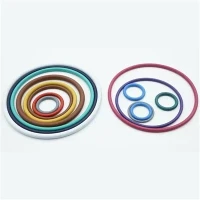

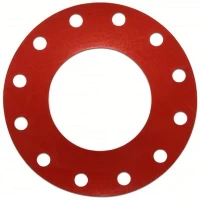
Hey there! As a supplier of rubber components, I've been diving deep into the world of rubber and its amazing properties. One of the most fascinating aspects is the shock - absorbing capabilities of rubber components. In this blog, I'll break down what makes rubber such a great shock absorber and how it benefits various industries.
What Makes Rubber a Good Shock Absorber?
First off, let's understand the basic science behind rubber's shock - absorbing properties. Rubber is a polymer, which means it's made up of long chains of molecules. These chains are flexible and can move around relative to each other. When a force is applied to a rubber component, like a sudden impact or vibration, these molecular chains stretch and bend.
This stretching and bending process allows rubber to convert the kinetic energy from the impact into other forms of energy, mainly heat. Unlike rigid materials that transfer the shock directly, rubber can absorb and dissipate the energy over time. This is why rubber is often used in applications where reducing shock and vibration is crucial.
Types of Rubber Components and Their Shock - Absorbing Abilities
Self Sealing Rubber Grommets
Self Sealing Rubber Grommets are not only great for sealing but also have excellent shock - absorbing qualities. Self Sealing Rubber Grommets are commonly used in electrical and mechanical systems. They can be installed around wires or cables to protect them from damage caused by vibrations. When there's a sudden jolt or shake, the rubber in the grommet compresses and then slowly returns to its original shape, absorbing the impact energy in the process.
Components Of Rubber
The Components Of Rubber can vary, and different types of rubber have different shock - absorbing capabilities. For example, natural rubber has high elasticity and can absorb a large amount of energy before reaching its limit. Synthetic rubbers, on the other hand, can be engineered to have specific properties. Some synthetic rubbers are designed to have better heat resistance while still maintaining good shock - absorbing abilities. This flexibility in composition allows us to create rubber components that are tailored to different applications.
Automotive Molded Rubber Parts
In the automotive industry, Automotive Molded Rubber Parts play a vital role in shock absorption. Things like engine mounts, suspension bushings, and tire treads are all made of rubber. Engine mounts use rubber to isolate the engine from the rest of the vehicle, reducing the vibration and noise that would otherwise be transferred to the cabin. Suspension bushings help to absorb the shocks from bumps on the road, providing a smoother and more comfortable ride. And of course, tires are made of rubber to grip the road and absorb the impact of uneven surfaces.


Factors Affecting the Shock - Absorbing Properties of Rubber
Temperature
Temperature has a significant impact on the shock - absorbing properties of rubber. At low temperatures, rubber becomes stiffer and less flexible. This means it can't absorb shocks as effectively because the molecular chains are more restricted in their movement. On the other hand, at high temperatures, rubber can become too soft and may lose its shape over time. This can also affect its ability to absorb and return to its original form after a shock. So, when designing rubber components, we need to consider the operating temperature range.
Frequency of the Shock
The frequency of the shock also matters. Rubber components can respond differently to high - frequency and low - frequency shocks. For low - frequency shocks, rubber has more time to deform and absorb the energy. But for high - frequency shocks, the rubber may not have enough time to fully respond, and the shock - absorbing efficiency can decrease. This is why we need to test rubber components under different frequencies to ensure they perform well in real - world applications.
Hardness of the Rubber
The hardness of rubber, often measured on the Shore scale, is another important factor. Softer rubber generally has better shock - absorbing properties because it can deform more easily. However, softer rubber may not be as durable or resistant to wear and tear. Harder rubber, on the other hand, can withstand more force without deforming too much, but it may not absorb shocks as effectively. We need to find the right balance between hardness and shock - absorbing ability based on the specific requirements of the application.
Applications of Rubber's Shock - Absorbing Properties
Industrial Machinery
In industrial settings, rubber components are used to protect machinery from damage caused by vibrations. For example, rubber pads can be placed under heavy equipment to reduce the impact of vibrations on the floor and the surrounding environment. This not only extends the lifespan of the machinery but also improves the safety of the workers.
Electronics
In the electronics industry, rubber components are used to protect sensitive electronic components from shocks and vibrations. Rubber grommets, as mentioned earlier, can be used to secure wires and prevent them from being damaged by movement. Rubber mounts can also be used to isolate electronic devices from external vibrations, ensuring their proper functioning.
Sports Equipment
Sports equipment also benefits from rubber's shock - absorbing properties. For example, the soles of running shoes are often made of rubber to absorb the impact of each step, reducing the stress on the runner's joints. Tennis racket grips are also made of rubber to provide a comfortable and shock - absorbing hold.
Why Choose Us as Your Rubber Component Supplier
As a rubber component supplier, we have the expertise and experience to provide you with high - quality rubber components with excellent shock - absorbing properties. We use the latest technology and manufacturing processes to ensure that our products meet the highest standards. Our team of experts can work with you to understand your specific requirements and design custom - made rubber components that are perfect for your application.
Whether you need Self Sealing Rubber Grommets, Components Of Rubber, or Automotive Molded Rubber Parts, we've got you covered. We offer competitive prices, fast delivery, and excellent customer service.
If you're interested in learning more about our rubber components or want to discuss a potential project, don't hesitate to reach out. We're here to help you find the best rubber solutions for your needs. Let's start a conversation and see how we can work together to make your products better.
References
- "The Physics of Rubber Elasticity" by L. R. G. Treloar
- "Rubber Technology: Compounding, Testing, and Applications" by Michael Morton
- "Handbook of Elastomers" edited by A. Y. Coran