


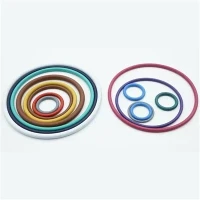

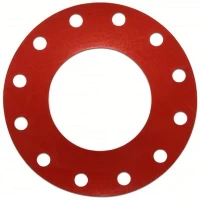
Wear-resistance is a crucial property for molded rubber seals, especially in various industrial applications where they are exposed to continuous friction, pressure, and environmental factors. As a leading supplier of molded rubber seals, we understand the significance of wear-resistant characteristics and how they impact the performance and longevity of these essential components.
Understanding Wear in Molded Rubber Seals
Wear in molded rubber seals can occur through several mechanisms, including abrasion, adhesion, fatigue, and erosion. Abrasion is the most common form of wear, which happens when the seal rubs against a rough surface. Adhesion wear occurs when two surfaces stick together and then separate, causing material transfer. Fatigue wear is the result of repeated stress cycles, leading to crack initiation and propagation. Erosion wear is caused by the impact of solid particles or fluid flow on the seal surface.
The wear resistance of a molded rubber seal depends on several factors, including the type of rubber material, the hardness of the rubber, the surface finish of the mating parts, and the operating conditions. Different rubber materials have different wear-resistant properties, and choosing the right material is essential for ensuring optimal performance.
Rubber Materials and Their Wear-Resistant Properties
Nitrile Rubber (NBR)
Nitrile rubber is one of the most widely used materials for molded rubber seals due to its excellent resistance to oil, fuel, and other hydrocarbons. It also has good abrasion resistance, making it suitable for applications where the seal is in contact with moving parts. NBR seals can withstand moderate to high levels of pressure and temperature, making them ideal for automotive, industrial, and hydraulic applications.
Fluorocarbon Rubber (FKM)
Fluorocarbon rubber, also known as Viton, offers superior chemical resistance and high-temperature performance. It has excellent wear resistance, especially in harsh chemical environments. FKM seals are commonly used in aerospace, chemical processing, and oil and gas industries, where they are exposed to aggressive chemicals and high temperatures.
Silicone Rubber
Silicone rubber is known for its excellent flexibility, high-temperature resistance, and electrical insulation properties. While its wear resistance is not as high as NBR or FKM, it is suitable for applications where low friction and good sealing performance are required. Silicone rubber seals are often used in food and beverage, medical, and electronics industries.
Ethylene Propylene Diene Monomer (EPDM)
EPDM rubber has excellent resistance to weathering, ozone, and UV radiation. It also has good abrasion resistance and can withstand a wide range of temperatures. EPDM seals are commonly used in automotive, construction, and outdoor applications, where they are exposed to environmental factors.
Hardness and Wear Resistance
The hardness of a rubber seal is an important factor that affects its wear resistance. Generally, harder rubber materials have better wear resistance than softer ones. However, the hardness of the seal also needs to be balanced with other properties, such as flexibility and sealing performance.
For applications where high wear resistance is required, a harder rubber compound may be selected. For example, in hydraulic systems, where the seal is subjected to high pressure and friction, a harder NBR or FKM seal may be used. On the other hand, for applications where flexibility and low friction are important, a softer rubber compound may be more suitable.
Surface Finish and Wear
The surface finish of the mating parts also plays a significant role in the wear of molded rubber seals. A rough surface can cause increased abrasion and wear on the seal, while a smooth surface can reduce friction and wear. Therefore, it is important to ensure that the mating parts have a proper surface finish.
In addition, the use of lubricants can also help to reduce friction and wear. Lubricants can form a thin film between the seal and the mating surface, reducing the direct contact and wear. However, the choice of lubricant needs to be compatible with the rubber material to avoid any chemical reactions.
Operating Conditions and Wear
The operating conditions, such as temperature, pressure, speed, and the presence of contaminants, can have a significant impact on the wear of molded rubber seals. High temperatures can cause the rubber to soften and lose its mechanical properties, leading to increased wear. High pressures can also cause the seal to deform and wear more quickly.
In applications where the seal is exposed to contaminants, such as dust, dirt, or chemicals, the wear rate can be significantly increased. Contaminants can act as abrasives, causing additional wear on the seal surface. Therefore, it is important to consider the operating conditions when selecting a molded rubber seal and to take appropriate measures to protect the seal from contaminants.
Our Range of Molded Rubber Seals
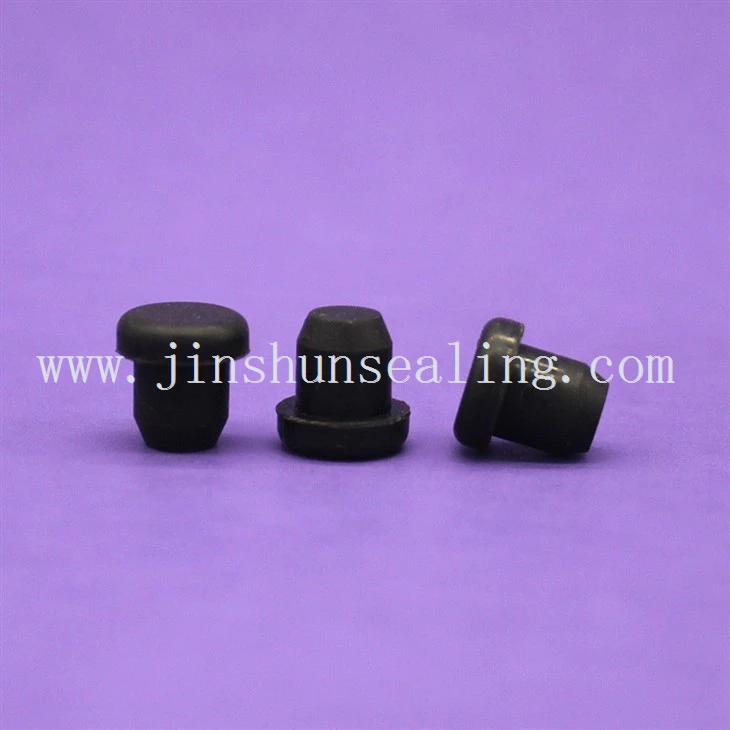
As a supplier of molded rubber seals, we offer a wide range of products to meet the diverse needs of our customers. Our product portfolio includes Diaphragm Rubber Seal, Solid Silicone Plug, and 3 Inch Rubber Seal, among others.
We use high-quality rubber materials and advanced manufacturing processes to ensure that our seals have excellent wear-resistant properties. Our team of experts can also provide customized solutions based on the specific requirements of our customers.
Importance of Wear Resistance in Different Industries
Automotive Industry
In the automotive industry, molded rubber seals are used in various applications, such as engine seals, transmission seals, and brake system seals. The wear resistance of these seals is crucial for ensuring the reliable operation of the vehicle. A worn-out seal can lead to oil leaks, reduced performance, and even safety hazards.

Industrial Machinery
In industrial machinery, molded rubber seals are used to prevent the leakage of fluids and gases. They are also used to protect the internal components from contaminants. The wear resistance of these seals is essential for maintaining the efficiency and reliability of the machinery.
Aerospace Industry
In the aerospace industry, molded rubber seals are used in critical applications, such as fuel systems, hydraulic systems, and cabin seals. The wear resistance of these seals is of utmost importance, as any failure can have severe consequences.
Conclusion
The wear resistance of molded rubber seals is a critical factor that affects their performance and longevity. By understanding the different wear mechanisms, the properties of different rubber materials, and the impact of operating conditions, we can select the right seal for each application. As a supplier of molded rubber seals, we are committed to providing high-quality products with excellent wear-resistant properties.
If you are in need of molded rubber seals with superior wear resistance, we invite you to contact us for a detailed discussion. Our team of experts will be happy to assist you in finding the best solution for your specific requirements. Whether you are looking for a standard product or a customized design, we have the expertise and resources to meet your needs. Let's work together to ensure the reliable performance of your equipment.
References
- "Rubber Seals: A Comprehensive Guide" by Rubber Manufacturers Association
- "Handbook of Elastomers" edited by Brian M. Walker
- Technical papers from leading rubber seal manufacturers