


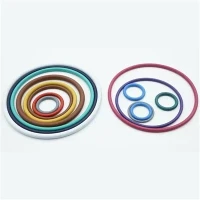


Hey there! As a nitrile oil seal supplier, I often get asked about the differences between nitrile oil seals and other types of oil seals. So, I thought I'd take a few minutes to break it down for you.
First off, let's talk about what oil seals are and what they do. Oil seals are used to prevent the leakage of fluids, usually oil, in various mechanical applications. They're like little guardians that keep the lubricants where they're supposed to be and keep contaminants out. Without them, your machinery would be in a whole lot of trouble.
Now, onto nitrile oil seals. Nitrile, also known as NBR (acrylonitrile butadiene rubber), is a synthetic rubber material that's widely used in oil seal manufacturing. One of the biggest advantages of nitrile oil seals is their excellent resistance to oil and fuel. This means they can withstand exposure to various types of oils and fuels without deteriorating quickly. Whether it's engine oil, hydraulic oil, or transmission fluid, nitrile oil seals can handle it.
Another great thing about nitrile oil seals is their good mechanical properties. They're tough and durable, which allows them to maintain their shape and sealing performance even under high pressure and temperature conditions. This makes them suitable for a wide range of applications, from automotive engines to industrial machinery.
Let's compare nitrile oil seals with some other common types of oil seals.
1. Viton Oil Seals
Viton is a brand name for fluoroelastomer rubber. Viton oil seals are known for their extreme chemical resistance and high-temperature tolerance. They can withstand temperatures up to 200°C or even higher in some cases, which is much better than nitrile oil seals. Nitrile oil seals typically have a maximum operating temperature of around 120°C - 130°C.
However, Viton oil seals come at a higher cost. They're more expensive to produce than nitrile oil seals. So, if your application doesn't require such high-temperature resistance or extreme chemical exposure, nitrile oil seals are a more cost - effective option. For example, in a regular passenger car engine, nitrile oil seals can do the job just fine, while Viton oil seals might be overkill.
2. Silicone Oil Seals
Silicone rubber is another material used for oil seals. Silicone oil seals have excellent flexibility and low - temperature performance. They can remain flexible even at very low temperatures, which is great for applications in cold environments.
But silicone has some drawbacks when it comes to oil resistance. It's not as resistant to oil as nitrile. Over time, silicone oil seals may swell or degrade when in contact with oil, which can lead to leakage. Nitrile oil seals, on the other hand, have a much better long - term oil resistance, making them a better choice for applications where continuous contact with oil is expected.
3. Polyurethane Oil Seals
Polyurethane oil seals are known for their high abrasion resistance. They can handle rough surfaces and high - speed applications better than nitrile oil seals. In applications where there's a lot of wear and tear, like in some heavy - duty machinery or high - performance automotive parts, polyurethane oil seals might be preferred.


However, polyurethane is more sensitive to hydrolysis (breakdown by water) compared to nitrile. If the application is in a wet or humid environment, nitrile oil seals are a more reliable option as they have better resistance to water and moisture.
Now, let me tell you about some of the products we offer as a nitrile oil seal supplier. We have a wide range of nitrile oil seals for different applications. For example, our Universal Oil Seals are designed to fit a variety of equipment. They're a versatile option for many industries.
If you're in the automotive industry, our Engine Valve Stem Oil Seal is a great choice. It helps to prevent oil from leaking into the combustion chamber, which is crucial for the proper functioning of the engine.
And we also have the 35x55x8 Oil Seal, which is a common size used in many types of machinery. This seal is made of high - quality nitrile rubber and can provide a reliable sealing solution.
In conclusion, nitrile oil seals offer a great balance of performance, durability, and cost - effectiveness. They're suitable for a wide range of applications where good oil resistance, moderate temperature tolerance, and reasonable mechanical properties are required. While other types of oil seals have their own unique advantages, nitrile oil seals are often the go - to choice for many common applications.
If you're in the market for oil seals and think nitrile oil seals might be the right fit for your needs, I'd love to talk to you. Whether you need help choosing the right size and type of seal or you have questions about our products, don't hesitate to reach out. We're here to provide you with the best sealing solutions at competitive prices.
References
- "Handbook of Elastomers", Second Edition by A. K. Bhowmick and H. L. Stephens
- "Rubber Technology: Compounding, Testing, and Applications" by Werner Hofmann