


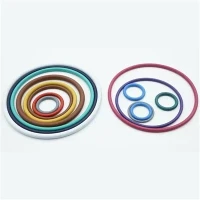

In the world of industrial sealing solutions, various types of seals play crucial roles in ensuring the proper functioning of machinery and equipment. One type of seal that has gained significant attention is the Rubber V Ring. As a supplier of Rubber V Rings, I am often asked about the differences between Rubber V Rings and other types of seals. In this blog post, I will delve into the unique characteristics of Rubber V Rings and compare them with other common sealing solutions.
Understanding Rubber V Rings
Rubber V Rings, also known as V-shaped Sealing Rings or V Ring Rubber Seals, are named for their distinctive V-shaped cross-section. They are typically made from high-quality rubber materials such as nitrile rubber (NBR), ethylene propylene diene monomer (EPDM), or fluorocarbon rubber (FKM). These materials offer excellent resistance to various chemicals, oils, and environmental factors, making Rubber V Rings suitable for a wide range of applications.
One of the key features of Rubber V Rings is their self-energizing design. The V-shaped cross-section allows the ring to expand and contract as it is installed, creating a tight seal against the shaft or housing. This self-energizing property ensures that the seal maintains its effectiveness even under dynamic conditions, such as shaft rotation or reciprocating motion. Additionally, Rubber V Rings can compensate for minor misalignments and shaft deflections, providing reliable sealing performance in challenging environments.
Comparison with Other Types of Seals
O-Rings
O-Rings are one of the most commonly used sealing solutions in the industry. They are circular in shape and made from a variety of materials, including rubber, silicone, and fluorocarbon. While O-Rings offer excellent sealing performance in static applications, they may not be as effective in dynamic situations. Unlike Rubber V Rings, O-Rings do not have a self-energizing design, which means they rely on external pressure to create a seal. This can lead to premature wear and leakage, especially in high-speed or high-pressure applications.
Another difference between Rubber V Rings and O-Rings is their installation process. O-Rings typically require a precise groove to be machined in the housing or shaft, which can be time-consuming and expensive. In contrast, Rubber V Rings can be easily installed without the need for special grooves or machining. This makes them a more cost-effective and versatile sealing solution, especially for retrofitting existing equipment.
Lip Seals
Lip Seals, also known as radial shaft seals, are designed to seal against rotating shafts. They consist of a flexible lip that contacts the shaft and prevents the leakage of fluids or contaminants. Lip Seals are commonly used in automotive, industrial, and aerospace applications. While Lip Seals offer good sealing performance in low to moderate pressure environments, they may not be suitable for high-pressure or high-speed applications.
Compared to Lip Seals, Rubber V Rings have a wider sealing surface area, which provides better resistance to pressure and wear. The V-shaped design also allows the ring to adapt to changes in shaft diameter and surface finish, ensuring a more reliable seal. Additionally, Rubber V Rings are less prone to damage from shaft misalignments or vibrations, making them a more durable and long-lasting sealing solution.
Gaskets
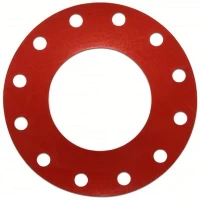
Gaskets are flat seals that are used to create a seal between two mating surfaces. They are typically made from materials such as rubber, cork, or metal. Gaskets are commonly used in applications where a static seal is required, such as in engines, pumps, and valves. While Gaskets offer good sealing performance in low-pressure applications, they may not be suitable for high-pressure or high-temperature environments.
Rubber V Rings, on the other hand, are designed to withstand high pressures and temperatures. The self-energizing design of the V-shaped cross-section allows the ring to maintain its seal even under extreme conditions. Additionally, Rubber V Rings can be used in both static and dynamic applications, providing a more versatile sealing solution.


Advantages of Rubber V Rings
In addition to their unique design and performance characteristics, Rubber V Rings offer several other advantages over other types of seals. These include:
- Cost-Effective: Rubber V Rings are generally more cost-effective than other types of seals, especially for large-scale applications. Their simple design and easy installation process reduce labor and material costs, making them a popular choice for budget-conscious customers.
- Versatile: Rubber V Rings can be used in a wide range of applications, including automotive, industrial, and aerospace. They are suitable for both static and dynamic sealing applications, making them a versatile sealing solution for various industries.
- Reliable: The self-energizing design of Rubber V Rings ensures a reliable seal, even under challenging conditions. They can compensate for minor misalignments and shaft deflections, providing long-lasting sealing performance.
- Easy to Install: Rubber V Rings can be easily installed without the need for special tools or equipment. This makes them a convenient and time-saving sealing solution, especially for maintenance and repair applications.
Applications of Rubber V Rings
Rubber V Rings are used in a variety of applications across different industries. Some common applications include:
- Automotive: Rubber V Rings are used in automotive engines, transmissions, and axles to seal against oil, grease, and other fluids. They are also used in power steering systems, brakes, and suspension components.
- Industrial: Rubber V Rings are used in industrial machinery, such as pumps, compressors, and motors, to prevent the leakage of fluids and contaminants. They are also used in conveyor systems, packaging equipment, and food processing machinery.
- Aerospace: Rubber V Rings are used in aerospace applications, such as aircraft engines, landing gear, and hydraulic systems, to provide reliable sealing performance in high-pressure and high-temperature environments.
- Marine: Rubber V Rings are used in marine applications, such as ship engines, pumps, and valves, to prevent the leakage of seawater and other fluids. They are also used in offshore oil and gas platforms, where they are exposed to harsh environmental conditions.
Conclusion
In conclusion, Rubber V Rings offer several unique advantages over other types of seals. Their self-energizing design, wide sealing surface area, and versatility make them a reliable and cost-effective sealing solution for a variety of applications. Whether you are looking for a seal for your automotive, industrial, aerospace, or marine equipment, Rubber V Rings are an excellent choice.
As a supplier of Rubber V Rings, I am committed to providing high-quality products and excellent customer service. If you have any questions or need assistance in selecting the right seal for your application, please do not hesitate to contact me. I look forward to working with you to meet your sealing needs.
References
- "Sealing Technology Handbook" by John H. Birkett
- "Handbook of Seal Technology" by Robert K. Stokes
- "Industrial Sealing Technology" by Peter J. Martini