



Are rubber gaskets suitable for outdoor use?
As a supplier of rubber gaskets, I often get asked whether our products are suitable for outdoor applications. This is a crucial question, as the outdoor environment presents a unique set of challenges that can significantly impact the performance and longevity of rubber gaskets. In this blog post, I'll delve into the factors that determine the suitability of rubber gaskets for outdoor use and highlight some of our top - performing products for such applications.
Factors Affecting Rubber Gaskets in Outdoor Environments
Temperature Fluctuations
Outdoor temperatures can vary widely, from scorching heat in the summer to freezing cold in the winter. Extreme temperatures can have a detrimental effect on rubber gaskets. High temperatures can cause the rubber to soften, lose its elasticity, and potentially deform. On the other hand, low temperatures can make the rubber brittle, leading to cracks and leaks.
For example, in desert regions, where daytime temperatures can soar above 40°C (104°F) and drop significantly at night, rubber gaskets need to be able to withstand these rapid and extreme temperature changes. Our Tiny Rubber Gaskets are engineered to have a wide temperature tolerance, making them a good choice for such harsh outdoor conditions.
UV Exposure
Ultraviolet (UV) radiation from the sun is another major concern for outdoor rubber gaskets. Prolonged exposure to UV rays can cause the rubber to degrade, resulting in surface cracking, loss of flexibility, and reduced sealing performance. This degradation process is known as photo - oxidation.
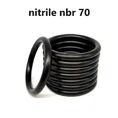
To combat UV damage, we offer gaskets made from materials that have excellent UV resistance. Our Black Neoprene Gasket is a prime example. Neoprene is a synthetic rubber that has inherent UV - resistant properties, which helps it maintain its integrity and performance even when exposed to sunlight for extended periods.
Moisture and Humidity
Outdoor environments are often exposed to rain, snow, and high humidity levels. Moisture can penetrate the rubber, causing swelling, mold growth, and corrosion of any metal components in contact with the gasket. This can compromise the sealing ability of the gasket and lead to leaks.
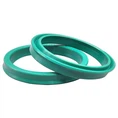
Rubber gaskets need to have good water - resistance properties to prevent these issues. Some of our gaskets are treated with special coatings or made from materials that are naturally resistant to water. For instance, our 6 Inch Round Rubber Gasket is designed to repel water effectively, ensuring a reliable seal even in wet outdoor conditions.
Chemical Exposure
Outdoor gaskets may also come into contact with various chemicals, such as pollutants in the air, fertilizers, and pesticides. These chemicals can react with the rubber, causing it to deteriorate and lose its functionality.
We carefully select the rubber materials for our gaskets to ensure they have good chemical resistance. Different types of rubber have different levels of resistance to specific chemicals. For example, some rubber compounds are more resistant to acids, while others are better at withstanding alkalis. When choosing a gasket for outdoor use, it's important to consider the specific chemical environment it will be exposed to.
Types of Rubber Suitable for Outdoor Use
EPDM (Ethylene Propylene Diene Monomer)
EPDM is a popular choice for outdoor rubber gaskets due to its excellent weather resistance. It has a high resistance to UV radiation, ozone, and extreme temperatures. EPDM gaskets can maintain their flexibility and sealing performance over a wide temperature range, from - 40°C (- 40°F) to 120°C (248°F). They are also resistant to water and many chemicals, making them suitable for a variety of outdoor applications, such as roofing, window seals, and automotive exterior seals.
Neoprene
As mentioned earlier, neoprene is another great option for outdoor use. It has good UV resistance, water resistance, and oil resistance. Neoprene gaskets are often used in marine applications, as they can withstand the harsh saltwater environment. They are also commonly used in outdoor electrical enclosures to provide a seal against moisture and dust.
Silicone
Silicone rubber has excellent temperature stability, with a wide operating temperature range from - 60°C (- 76°F) to 230°C (446°F). It is also highly resistant to UV radiation, ozone, and moisture. Silicone gaskets are often used in high - temperature outdoor applications, such as engine compartments and industrial ovens.
Applications of Outdoor Rubber Gaskets
Construction
In the construction industry, rubber gaskets are used in a variety of outdoor applications. They are used in window and door seals to prevent air and water infiltration, improving energy efficiency and protecting the interior of buildings from the elements. Roofing systems also rely on rubber gaskets to seal joints and prevent leaks. Our gaskets, such as the 6 Inch Round Rubber Gasket, can be customized to fit different construction requirements.
Automotive
Automotive vehicles are constantly exposed to the outdoor environment. Rubber gaskets are used in various parts of the vehicle, including the engine, doors, and windows. They help to seal the engine compartment, preventing water, dirt, and noise from entering. Our Tiny Rubber Gaskets are suitable for small - scale automotive applications, providing a reliable seal in tight spaces.


Marine
The marine environment is one of the most challenging for rubber gaskets. Saltwater, high humidity, and constant exposure to the sun make it essential to use gaskets with excellent corrosion resistance and weatherability. Neoprene gaskets, like our Black Neoprene Gasket, are commonly used in boats and ships to seal hatches, ports, and other openings.
Conclusion
In conclusion, rubber gaskets can be suitable for outdoor use, but it depends on the type of rubber material, the specific outdoor conditions, and the application requirements. At our company, we offer a wide range of rubber gaskets that are designed to meet the challenges of outdoor environments. Whether you need gaskets for construction, automotive, or marine applications, we have the right products for you.
If you're in the market for high - quality rubber gaskets for outdoor use, we'd love to hear from you. Our team of experts can help you select the most suitable gasket for your specific needs and provide you with detailed product information. Contact us today to start a discussion about your procurement requirements.
References
- "Handbook of Elastomers" by Bhupendra K. Patel
- "Rubber Technology: Compounding, Mixing, and Testing of Rubber" by Maurice Morton