


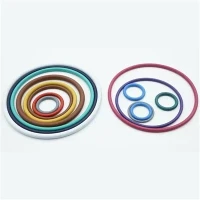

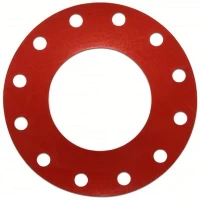
Hey there! As a supplier of rubber draught seals, I often get asked if these seals can be used on patio doors. Well, the short answer is yes, but there's a lot more to it than that. In this blog post, I'm going to dive deep into the world of rubber draught seals and explain how they can work wonders for your patio doors.
Why Patio Doors Need Draught Seals
Let's face it, patio doors are a great addition to any home. They let in plenty of natural light, offer a beautiful view of the outdoors, and make it easy to step outside. But they can also be a major source of energy loss. Gaps around the edges of patio doors can allow cold air to seep in during the winter and hot air to enter during the summer. This not only makes your home less comfortable but also drives up your energy bills.
That's where rubber draught seals come in. These seals are designed to fill in those gaps and create a tight seal around your patio doors. By doing so, they prevent air leakage, which helps to keep your home at a consistent temperature and reduces your energy consumption.
How Rubber Draught Seals Work
Rubber draught seals are made from high-quality rubber materials that are flexible and durable. They come in a variety of shapes and sizes to fit different types of patio doors. When installed correctly, the seals create a barrier between the inside and outside of your home, blocking out drafts and reducing noise.
There are different types of rubber draught seals available, each with its own unique features. For example, some seals are designed to be self-adhesive, making them easy to install. Others are more heavy-duty and are suitable for larger gaps.
Advantages of Using Rubber Draught Seals on Patio Doors
Energy Efficiency
As mentioned earlier, one of the biggest advantages of using rubber draught seals on patio doors is improved energy efficiency. By reducing air leakage, these seals help to keep your home warmer in the winter and cooler in the summer. This means you won't have to rely as much on your heating and cooling systems, which can lead to significant savings on your energy bills.
Noise Reduction
Another great benefit of rubber draught seals is that they can help to reduce noise from the outside. Whether you live near a busy road or a noisy neighbor, these seals can create a quieter and more peaceful environment inside your home.
Protection Against Dust and Debris
Rubber draught seals also act as a barrier against dust, dirt, and debris. They prevent these particles from entering your home through the gaps around your patio doors, which helps to keep your home cleaner and healthier.
Longevity
Rubber is a very durable material, which means that rubber draught seals can last for a long time. With proper installation and maintenance, you can expect these seals to provide reliable performance for many years.
Types of Rubber Draught Seals Suitable for Patio Doors
Rubber Bumper
Rubber bumpers are a popular choice for patio doors. They are typically used to cushion the impact when the door is closed, which helps to prevent damage to the door and the frame. In addition to their protective function, rubber bumpers can also help to seal small gaps and reduce air leakage.


3 Inch Rubber Seal
If you have larger gaps around your patio doors, a 3 inch rubber seal might be the right choice for you. These seals are wider and can provide a more substantial barrier against air and moisture. They are often used in commercial settings as well as residential homes.
Diaphragm Rubber Seal
Diaphragm rubber seals are designed to be flexible and can conform to irregular surfaces. They are ideal for patio doors that have uneven frames or gaps. These seals can provide a tight seal even in challenging conditions.
Installation of Rubber Draught Seals on Patio Doors
Installing rubber draught seals on patio doors is a relatively straightforward process, but it does require some attention to detail. Here are the general steps:
- Clean the Surface: Before installing the seals, make sure the surface of the door and the frame is clean and dry. Remove any dirt, dust, or old sealant.
- Measure and Cut: Measure the length of the gaps around the door and cut the rubber draught seal to the appropriate size. Make sure to leave a little extra length to ensure a proper fit.
- Apply the Seal: If the seal is self-adhesive, simply peel off the backing and press the seal firmly onto the surface. If it's not self-adhesive, you may need to use a suitable adhesive to attach it.
- Check the Fit: Once the seal is installed, close the door and check for a proper fit. Make any necessary adjustments to ensure that the seal is creating a tight barrier.
Maintenance of Rubber Draught Seals
To ensure the longevity and effectiveness of your rubber draught seals, it's important to perform regular maintenance. Here are some tips:
- Clean Regularly: Use a mild soap and water solution to clean the seals. This will help to remove any dirt or debris that may accumulate over time.
- Inspect for Damage: Periodically check the seals for signs of wear and tear, such as cracks or tears. If you notice any damage, replace the seal as soon as possible.
- Lubricate if Necessary: In some cases, you may need to lubricate the seals to keep them flexible. Use a silicone-based lubricant to avoid damaging the rubber.
Conclusion
In conclusion, rubber draught seals are an excellent choice for patio doors. They offer a range of benefits, including improved energy efficiency, noise reduction, protection against dust and debris, and long-lasting performance. Whether you're looking to save money on your energy bills or create a more comfortable living environment, these seals are definitely worth considering.
If you're interested in purchasing rubber draught seals for your patio doors or have any questions about our products, feel free to reach out. We're here to help you find the right solution for your needs. Let's work together to make your home more energy-efficient and comfortable!
References
- Building Energy Efficiency Guide. Department of Energy.
- Rubber Sealing Products Handbook. Industry Publication.