


In the vast landscape of the machinery industry, rubber seals play a pivotal role, acting as unsung heroes that ensure the seamless operation of various mechanical systems. As a dedicated rubber seals supplier, I've witnessed firsthand the diverse and critical applications of these components across different sectors of the machinery industry. In this blog, I'll delve into the numerous applications of rubber seals, highlighting their importance and the value they bring to machinery operations.
Sealing in Hydraulic and Pneumatic Systems
One of the most common applications of rubber seals is in hydraulic and pneumatic systems. These systems rely on the precise control of fluid or air pressure to generate power and perform mechanical work. Rubber seals are used to prevent the leakage of hydraulic fluids or compressed air, ensuring that the system operates efficiently and safely.
In hydraulic cylinders, for example, rubber seals are installed between the piston and the cylinder wall to create a tight seal. This prevents the fluid from bypassing the piston, allowing the cylinder to generate the necessary force to move heavy loads. Similarly, in pneumatic actuators, rubber seals are used to maintain the pressure within the system, enabling the actuator to perform its intended function.
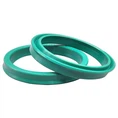
The Unitized Seal is a type of rubber seal commonly used in hydraulic and pneumatic systems. It combines multiple sealing elements into a single unit, providing excellent sealing performance and durability. Unitized seals are designed to withstand high pressures, temperature variations, and harsh operating conditions, making them ideal for use in heavy machinery and industrial equipment.
Preventing Contamination in Bearings and Gears
Another important application of rubber seals is in preventing contamination in bearings and gears. Bearings and gears are critical components in many mechanical systems, and their proper functioning depends on the lubrication and protection from contaminants. Rubber seals are used to keep out dirt, dust, water, and other foreign particles, ensuring that the bearings and gears operate smoothly and efficiently.
In automotive engines, for example, rubber seals are used to seal the crankshaft, camshaft, and other rotating components. These seals prevent oil leakage and keep out contaminants, ensuring that the engine operates at peak performance. Similarly, in industrial machinery, rubber seals are used to protect bearings and gears from dirt and debris, extending their service life and reducing maintenance costs.
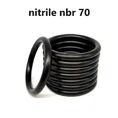
Molded Rubber Seals are often used in applications where a custom fit is required. These seals are molded to the exact shape and size of the component they are sealing, providing a precise and reliable seal. Molded rubber seals are available in a variety of materials and configurations, making them suitable for a wide range of applications.
Vibration Dampening and Noise Reduction
Rubber seals also play a crucial role in vibration dampening and noise reduction in machinery. Vibrations and noise can cause discomfort to operators, damage to equipment, and even affect the performance of the machinery. Rubber seals are used to absorb and dampen vibrations, reducing noise levels and improving the overall operating environment.
In automotive applications, rubber seals are used in engine mounts, suspension systems, and exhaust systems to reduce vibrations and noise. These seals help to isolate the engine and other components from the vehicle's frame, reducing the transmission of vibrations and noise to the cabin. Similarly, in industrial machinery, rubber seals are used to dampen vibrations and reduce noise levels, improving the working conditions for operators.
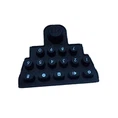
The Rubber Bumper is a type of rubber seal commonly used for vibration dampening and noise reduction. Rubber bumpers are designed to absorb shocks and vibrations, protecting equipment from damage and reducing noise levels. They are available in a variety of shapes and sizes, making them suitable for a wide range of applications.
Sealing in Electrical and Electronic Equipment
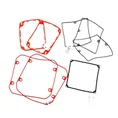
Rubber seals are also used in electrical and electronic equipment to provide protection against moisture, dust, and other contaminants. These seals help to prevent the ingress of water and other liquids, which can cause short circuits and damage to electronic components. In addition, rubber seals can also provide electromagnetic shielding, protecting sensitive electronic equipment from interference.
In consumer electronics, such as smartphones and tablets, rubber seals are used to seal the battery compartment, ports, and other openings. These seals prevent moisture and dust from entering the device, ensuring its reliability and longevity. Similarly, in industrial control panels and electrical enclosures, rubber seals are used to protect the internal components from environmental factors, such as humidity and dust.


Conclusion
In conclusion, rubber seals are essential components in the machinery industry, with a wide range of applications that contribute to the efficient and reliable operation of mechanical systems. From sealing in hydraulic and pneumatic systems to preventing contamination in bearings and gears, from vibration dampening and noise reduction to sealing in electrical and electronic equipment, rubber seals play a crucial role in ensuring the performance and longevity of machinery.
As a rubber seals supplier, we understand the importance of providing high-quality seals that meet the specific requirements of our customers. We offer a wide range of rubber seals, including Unitized Seal, Molded Rubber Seals, and Rubber Bumper, made from the finest materials and manufactured to the highest standards.
If you're in the market for rubber seals for your machinery, we invite you to contact us to discuss your specific needs. Our team of experts will work closely with you to understand your requirements and provide you with the best sealing solutions. Whether you need a standard seal or a custom-designed solution, we have the expertise and resources to meet your needs.
References
- "Handbook of Seal Technology" by John H. Berridge
- "Sealing Technology for Rotating Equipment" by E. R. Booser
- "Rubber Seals and Gaskets: Design, Materials, and Applications" by David A. Thomas