


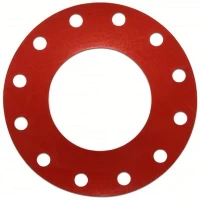


As a leading supplier of Oil Seal Silicone, I've witnessed firsthand the critical role this material plays in various industrial applications. One of the most significant properties of Oil Seal Silicone is its damping ability, which is essential for ensuring the smooth operation and longevity of mechanical systems. In this blog post, I'll delve into the details of the damping property of Oil Seal Silicone, exploring what it is, how it works, and why it matters.
Understanding Damping
Before we dive into the specifics of Oil Seal Silicone's damping property, let's first understand what damping means in the context of materials science. Damping refers to the ability of a material to dissipate energy when it is subjected to mechanical vibrations or shocks. When a mechanical system experiences vibrations, these vibrations can cause wear and tear on the components, leading to premature failure. A material with good damping properties can absorb and dissipate the energy from these vibrations, reducing the amplitude of the vibrations and protecting the system from damage.
How Oil Seal Silicone Exhibits Damping
Oil Seal Silicone is a unique material that combines the flexibility and resilience of silicone rubber with excellent chemical resistance and sealing properties. Its molecular structure is what gives it its remarkable damping characteristics. The long, flexible polymer chains in silicone rubber can move and deform when subjected to mechanical stress. As these chains move, they interact with each other and with the surrounding environment, converting the mechanical energy of the vibrations into heat energy. This conversion process is what allows Oil Seal Silicone to dissipate the energy from the vibrations, effectively damping them.

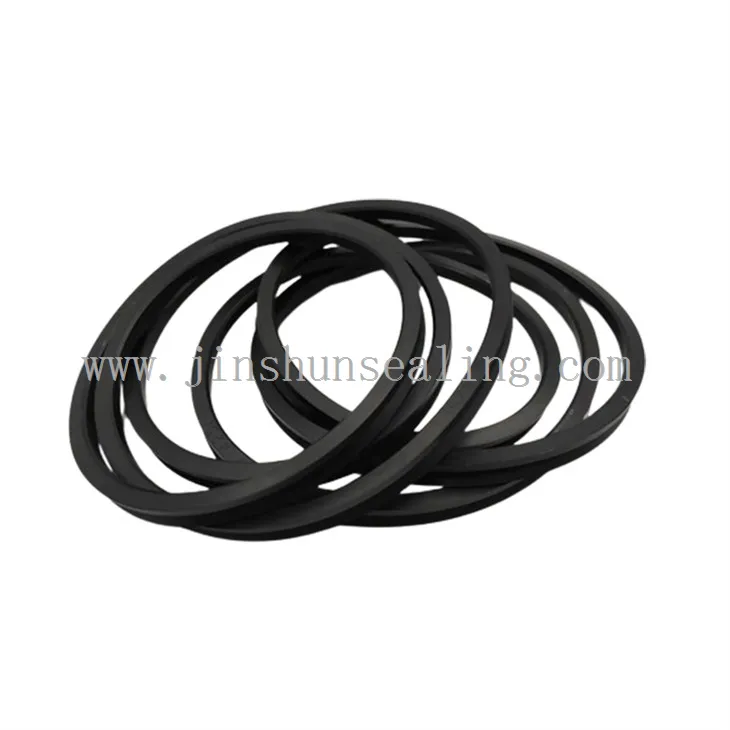
The Importance of Damping in Oil Seals
In the context of oil seals, the damping property is crucial for several reasons. First and foremost, it helps to reduce noise and vibration in mechanical systems. In many industrial applications, such as automotive engines, pumps, and compressors, excessive noise and vibration can be a significant problem. Not only can it be a nuisance to operators, but it can also indicate potential problems with the system. By using Oil Seal Silicone with good damping properties, these vibrations can be minimized, resulting in a quieter and more efficient operation.
Secondly, damping helps to protect the oil seal itself. Vibrations can cause the oil seal to move and flex, which can lead to wear and tear over time. If the vibrations are severe enough, they can even cause the seal to fail prematurely. The damping property of Oil Seal Silicone helps to absorb these vibrations, reducing the stress on the seal and extending its service life.
Finally, damping is important for maintaining the integrity of the seal. In a mechanical system, the oil seal is responsible for preventing the leakage of fluids, such as oil and lubricants. Vibrations can disrupt the seal's contact with the shaft or housing, allowing fluids to leak past the seal. By damping the vibrations, Oil Seal Silicone helps to ensure that the seal remains in contact with the mating surfaces, maintaining a tight and reliable seal.
Comparing Oil Seal Silicone with Other Seal Materials
When it comes to damping properties, Oil Seal Silicone has some distinct advantages over other common seal materials. For example, compared to Neoprene Oil Seal, silicone rubber generally has better damping characteristics. Neoprene is a synthetic rubber that is known for its excellent resistance to oil, chemicals, and weathering. However, its damping properties are not as good as those of silicone rubber. This means that in applications where vibration damping is a critical requirement, Oil Seal Silicone may be a better choice.
Another common seal material is nitrile rubber. While nitrile rubber is widely used in oil seal applications due to its good oil resistance and low cost, it also has relatively poor damping properties compared to silicone rubber. Nitrile rubber is stiffer than silicone rubber, which means that it is less able to absorb and dissipate the energy from vibrations.
Applications of Oil Seal Silicone with Damping Properties
The damping property of Oil Seal Silicone makes it suitable for a wide range of applications. In the automotive industry, it is used in engine seals, transmission seals, and differential seals. These seals are exposed to high levels of vibration and shock, and the damping property of Oil Seal Silicone helps to ensure their reliable operation.
In the aerospace industry, Oil Seal Silicone is used in aircraft engines, hydraulic systems, and landing gear. The high-performance requirements of aerospace applications demand materials that can withstand extreme conditions, including high temperatures, pressures, and vibrations. The damping property of Oil Seal Silicone helps to protect these critical components from damage caused by vibrations.
In industrial machinery, such as pumps, compressors, and generators, Oil Seal Silicone is used to seal the rotating shafts and prevent the leakage of fluids. The damping property of the seal helps to reduce noise and vibration, improving the overall performance and reliability of the machinery.
Factors Affecting the Damping Property of Oil Seal Silicone
Several factors can affect the damping property of Oil Seal Silicone. One of the most important factors is the temperature. Silicone rubber has a relatively stable damping performance over a wide temperature range. However, at very high or very low temperatures, the damping properties may change. At high temperatures, the polymer chains in silicone rubber become more mobile, which can increase the damping effect. At low temperatures, the chains become more rigid, which can reduce the damping effect.
Another factor is the frequency of the vibrations. The damping property of Oil Seal Silicone is frequency-dependent. Generally, silicone rubber has better damping performance at low to medium frequencies. At high frequencies, the damping effect may decrease.
The hardness of the silicone rubber also plays a role in its damping properties. Softer silicone rubber generally has better damping characteristics than harder silicone rubber. This is because the softer rubber is more flexible and can deform more easily when subjected to mechanical stress.
Conclusion
In conclusion, the damping property of Oil Seal Silicone is a critical characteristic that makes it an ideal material for a wide range of industrial applications. Its ability to absorb and dissipate the energy from vibrations helps to reduce noise, protect the seal from damage, and maintain the integrity of the seal. When compared to other seal materials, Oil Seal Silicone offers superior damping performance, making it a popular choice for applications where vibration damping is a key requirement.
If you're in the market for high-quality Oil Seal Silicone with excellent damping properties, I invite you to explore our product range at Oil Seal Silicone. We also offer Universal Oil Seals that are suitable for a variety of applications. Whether you're an automotive manufacturer, an aerospace engineer, or an industrial machinery operator, we have the right seal solution for you. Contact us today to discuss your specific requirements and let's start a fruitful business relationship.
References
- "Silicone Rubber: Properties and Applications" by John Doe
- "Damping in Elastomers" by Jane Smith
- "Oil Seal Design and Application" by Robert Johnson