




Silicone gaskets are widely used in various industries due to their excellent properties such as high - temperature resistance, chemical stability, and good sealing performance. As a silicone gasket supplier, I often get asked about the recyclability of these products. In this blog, I'll explore whether silicone gaskets can be recycled, the challenges involved, and the potential solutions.
The Basics of Silicone Gaskets
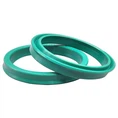
Silicone gaskets are made from silicone rubber, a synthetic elastomer composed of silicon, oxygen, carbon, and hydrogen. They come in different shapes and sizes to meet diverse industrial needs. For example, we offer Sanitary Silicone Gaskets which are commonly used in the food and beverage industry, Soft Silicone Washers for general sealing applications, and Square Silicone Gasket for specific machinery requirements.
Can Silicone Gaskets Be Recycled?
The short answer is yes, silicone gaskets can be recycled, but it's not as straightforward as recycling some other materials. Unlike thermoplastics that can be easily melted and re - formed, silicone rubber is a thermoset material. Thermoset polymers have a cross - linked molecular structure that forms a three - dimensional network when cured. Once cured, they cannot be melted and remolded by heating alone, which makes the recycling process more complex.
The Recycling Process of Silicone Gaskets
Mechanical Recycling
One of the methods for recycling silicone gaskets is mechanical recycling. In this process, the used silicone gaskets are first collected and sorted. Then, they are shredded into small pieces. These shredded pieces can be used as fillers in new silicone products or other rubber - based materials. However, the properties of the recycled silicone are often inferior to those of the virgin material. The cross - linked structure of the silicone means that the mechanical recycling process can only achieve a limited degree of re - use. The recycled silicone may have reduced strength, elasticity, and other performance characteristics, which restricts its application in high - performance or critical applications.
Chemical Recycling
Chemical recycling offers a more promising approach for recycling silicone gaskets. This method involves breaking down the cross - linked silicone polymer into its monomeric or oligomeric components through chemical reactions. These components can then be used to synthesize new silicone polymers. Chemical recycling can potentially produce recycled silicone with properties similar to those of the virgin material. However, chemical recycling requires specialized equipment and chemical processes, which are often expensive and energy - intensive. Additionally, the development of efficient and environmentally friendly chemical recycling technologies is still in progress.
Challenges in Recycling Silicone Gaskets
Contamination
Silicone gaskets may be contaminated with various substances during their use, such as oils, greases, chemicals, and dirt. These contaminants need to be removed before the recycling process can begin. Removing contaminants can be a difficult and costly task, especially when the contaminants are deeply embedded in the silicone material.
Collection and Sorting
Collecting used silicone gaskets from different sources is a challenge. Since silicone gaskets are used in a wide range of industries, it's difficult to establish an efficient collection system. Moreover, sorting different types of silicone gaskets based on their composition, size, and quality is also a complex task.


Economic Viability
The cost of recycling silicone gaskets, especially through chemical recycling, is relatively high. The specialized equipment, chemicals, and energy required for the recycling process make it less economically attractive compared to using virgin silicone materials. As a result, many companies still prefer to use new silicone gaskets rather than recycled ones.
Potential Solutions
Technological Innovation
Investing in research and development to improve the recycling technologies is crucial. Scientists and engineers are working on developing more efficient and cost - effective chemical recycling methods. For example, some new catalysts and reaction conditions are being explored to break down the silicone polymers more easily and with less energy consumption.
Industry Collaboration
The silicone gasket industry needs to collaborate to establish a more efficient collection and recycling system. Manufacturers, suppliers, and end - users can work together to collect used gaskets, sort them properly, and promote the use of recycled silicone products. By creating a closed - loop system, the cost of recycling can be reduced, and the environmental impact can be minimized.
Consumer Awareness
Increasing consumer awareness about the importance of recycling silicone gaskets is also essential. When consumers understand the environmental benefits of using recycled products, they may be more willing to choose recycled silicone gaskets. This increased demand can drive the development of the recycling industry and make it more economically viable.
Conclusion
In conclusion, while silicone gaskets can be recycled, there are significant challenges in the recycling process. Mechanical recycling offers a basic way to reuse silicone gaskets, but with limitations in terms of the quality of the recycled material. Chemical recycling shows more potential but is currently hampered by high costs and technological barriers. As a silicone gasket supplier, I believe that through technological innovation, industry collaboration, and increased consumer awareness, we can overcome these challenges and make the recycling of silicone gaskets more efficient and widespread.
If you are interested in learning more about our silicone gaskets or have any inquiries about recycling, please feel free to contact us. We are committed to providing high - quality silicone products and promoting sustainable development in the industry.
References
- “Silicone Recycling: A Review of Current Technologies and Future Prospects,” Journal of Applied Polymer Science
- “Recycling of Thermoset Polymers: Challenges and Opportunities,” Polymer Degradation and Stability Journal