



Hey there! As a supplier of 14x24x6 oil seals, I often get asked about the chemical resistance of these little but crucial components. So, let's dig into it and see if a 14x24x6 oil seal has good chemical resistance.
First off, what's the deal with a 14x24x6 oil seal? The numbers represent the seal's dimensions. The 14 typically stands for the inner diameter in millimeters, 24 is the outer diameter, and 6 indicates the width. These seals are used in a wide range of applications, from automotive engines to industrial machinery. They're designed to keep lubricants in and contaminants out, but how well they hold up against different chemicals is a whole other story.
The chemical resistance of an oil seal depends largely on the material it's made from. There are several common materials for oil seals, each with its own set of pros and cons when it comes to chemical exposure.
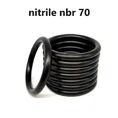
One popular material is nitrile. Nitrile Oil Seal is known for its excellent resistance to petroleum-based oils and fuels. If your application involves contact with things like gasoline, diesel, or mineral oil, nitrile is a great choice. It can handle a wide range of temperatures and has good mechanical properties, too. But it doesn't do so well with some chemicals like ketones, esters, and strong oxidizing agents. If your seal is going to be exposed to these substances, nitrile might not be the best option.
Another material is neoprene. Neoprene Oil Seal offers good resistance to a variety of chemicals, including some acids, alkalis, and refrigerants. It's also resistant to ozone and weathering, which makes it a good choice for outdoor applications. However, neoprene isn't as resistant to petroleum-based oils as nitrile. So, if your main concern is sealing against oil, you might want to think twice before choosing neoprene.
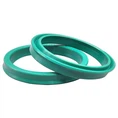
Then there's the U cup hydraulic seal. U Cup Hydraulic Seal is often used in hydraulic systems. These seals are designed to withstand high pressures and are made from materials that have good chemical resistance to hydraulic fluids. But again, the specific chemical resistance depends on the material of the U cup. Some materials might be more resistant to certain additives or contaminants in the hydraulic fluid.
Now, let's talk about how to determine if a 14x24x6 oil seal has good chemical resistance for your specific application. First, you need to know what chemicals the seal will be exposed to. Make a list of all the substances, including their concentrations and the temperature and pressure conditions they'll be at. Then, you can look at the chemical resistance charts provided by the seal material manufacturers. These charts will give you an idea of how the different materials will react to each chemical.
It's also a good idea to test the seal in a real-world or simulated environment. You can do small-scale tests to see how the seal holds up over a period of time. This will give you a more accurate picture of its chemical resistance than just relying on the charts.
We've had customers come to us with all sorts of applications, from food processing plants to chemical manufacturing facilities. In each case, we've worked with them to find the right material for their 14x24x6 oil seals based on the chemical exposure they face. For example, in a food processing plant, we recommended a seal made from a food-grade material that was resistant to cleaning agents and mild acids. In a chemical manufacturing facility, we had to choose a material that could withstand strong solvents and corrosive chemicals.
So, does a 14x24x6 oil seal have good chemical resistance? Well, it depends. If you choose the right material for your specific application, then yes, it can have excellent chemical resistance. But if you choose the wrong material, it could lead to seal failure, which can be costly and dangerous.
If you're in the market for 14x24x6 oil seals and need help figuring out the right material for your chemical exposure needs, don't hesitate to reach out. We're here to help you make the best choice and ensure that your equipment runs smoothly. Whether it's a small repair job or a large-scale industrial project, we've got the expertise and the products to meet your requirements.
In conclusion, understanding the chemical resistance of your oil seals is crucial for the longevity and performance of your equipment. With the right material selection and a bit of testing, you can ensure that your 14x24x6 oil seals will do their job effectively and keep your machinery running like a charm. So, if you have any questions or need more information, just drop us a line and we'll be happy to assist you.
References


- Engineering Handbook of Seals and Sealing Technology
- Material Data Sheets from Seal Manufacturers