



How do rubber gaskets compare to silicone gaskets?
In the world of industrial sealing solutions, rubber gaskets and silicone gaskets are two of the most commonly used products. As a longtime rubber gaskets supplier, I often encounter customers who are confused about which type of gasket best suits their needs. In this blog, I'll delve into a detailed comparison of rubber gaskets and silicone gaskets, covering aspects such as material properties, applications, advantages, and disadvantages.
Material Properties
Rubber Gaskets
Rubber is a broad term that encompasses various types of synthetic and natural elastomers. Natural rubber, for example, is known for its excellent elasticity and resilience. It can be easily deformed under pressure and then quickly return to its original shape. This property makes it ideal for applications where a tight seal is required against irregular surfaces.
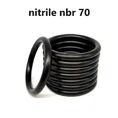
Synthetic rubbers, on the other hand, offer a wider range of properties depending on their chemical composition. For instance, nitrile rubber is highly resistant to oil and fuel, making it a popular choice for automotive and aerospace applications. EPDM rubber is resistant to weathering, ozone, and sunlight, so it's often used in outdoor and roofing applications.
Silicone Gaskets
Silicone gaskets are made from silicone rubber, a synthetic elastomer composed of silicon, oxygen, carbon, and hydrogen. Silicone has a unique molecular structure that gives it several exceptional properties. It has excellent thermal stability, being able to withstand a wide range of temperatures from -50°C to 250°C without significant loss of its physical properties. This makes silicone gaskets suitable for applications in extreme temperature environments, such as in ovens, freezers, and engine compartments.


Silicone is also highly resistant to UV radiation, ozone, and oxidation, making it an excellent choice for outdoor and high-altitude applications. Additionally, silicone has good electrical insulation properties, which is beneficial for applications in the electronics industry.
Applications
Rubber Gaskets
Rubber gaskets are extremely versatile and find applications in a wide range of industries. In the automotive industry, rubber gaskets are used in engines, transmissions, and fuel systems to prevent leaks of oil, coolant, and fuel. For example, nitrile rubber gaskets are commonly used in engine oil pans and fuel injectors due to their oil resistance.
In the plumbing industry, rubber gaskets are used to seal joints in pipes and fittings. They provide a leak-proof seal and can withstand the pressure and temperature variations typically encountered in plumbing systems. EPDM rubber gaskets are often used in cold and hot water pipes because of their resistance to water and steam.
Silicone Gaskets
Silicone gaskets are particularly well-suited for applications that require high-temperature resistance and environmental stability. In the food and beverage industry, silicone gaskets are used in equipment such as ovens, mixers, and bottling machines. They are safe for contact with food and can withstand the high temperatures used in cooking and sterilization processes.
In the medical industry, silicone gaskets are used in medical devices such as syringes, catheters, and respirators. Their biocompatibility and resistance to sterilization methods make them a reliable choice for ensuring the safety and functionality of medical equipment.
Advantages and Disadvantages
Rubber Gaskets
Advantages
- Cost-Effective: Rubber gaskets are generally more affordable than silicone gaskets, making them a budget-friendly option for many applications.
- Wide Range of Hardness: Rubber can be formulated to have different levels of hardness, allowing for customization based on the specific sealing requirements.
- Good Sealing Performance: Due to their elasticity, rubber gaskets can form a tight seal against irregular surfaces, effectively preventing leaks.
Disadvantages
- Limited Temperature Resistance: Most rubber gaskets have a narrower temperature range compared to silicone gaskets. They may lose their elasticity or become brittle at extreme temperatures.
- Susceptible to Chemical Attack: Some types of rubber can be damaged by certain chemicals, such as solvents, acids, and alkalis.
Silicone Gaskets
Advantages
- High-Temperature Resistance: Silicone gaskets can withstand high temperatures without losing their mechanical properties, making them suitable for applications in harsh environments.
- Excellent Chemical Resistance: Silicone is resistant to a wide range of chemicals, including many solvents, acids, and alkalis.
- Good Weatherability: Silicone gaskets are highly resistant to UV radiation, ozone, and weathering, ensuring long-term performance in outdoor applications.
Disadvantages
- Higher Cost: Silicone gaskets are typically more expensive than rubber gaskets, which may be a limiting factor for cost-sensitive applications.
- Lower Tear Strength: Silicone has relatively lower tear strength compared to some types of rubber, which may make it less suitable for applications where the gasket is subjected to high levels of stress.
Making the Right Choice
When choosing between rubber gaskets and silicone gaskets, several factors need to be considered.
- Temperature Requirements: If your application involves high or low temperatures, silicone gaskets may be the better choice. However, if the temperature range is within the limits of rubber gaskets, and cost is a significant concern, rubber gaskets can be a viable option.
- Chemical Exposure: Consider the chemicals that the gasket will come into contact with. If the environment contains harsh chemicals, silicone gaskets are generally more resistant. But if the chemical exposure is minimal and oil resistance is required, nitrile rubber gaskets may be appropriate.
- Cost: Budget is always an important factor. If cost is a major consideration and the application does not require the specialized properties of silicone, rubber gaskets may be the more economical choice.
As a rubber gaskets supplier, we offer a wide range of high-quality rubber gaskets to meet different customer needs. Our products include PHE Gaskets, White Nitrile Gasket, and 4.5 Inch Rubber Gasket. We have the expertise and experience to help you select the most suitable gasket for your specific application. If you're unsure which type of gasket is right for you, or if you have any questions about our products, please don't hesitate to contact us for procurement and negotiation. We are committed to providing you with the best sealing solutions and excellent customer service.
References
- "Handbook of Elastomers" by Alexander K. Ghosh and Herman F. Mark
- "Engineering with Rubber: How to Design Rubber Components" by Michael Wolfe