


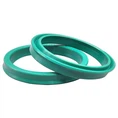
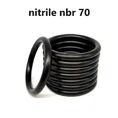

Silicone gaskets are widely used in HVAC (Heating, Ventilation, and Air Conditioning) systems due to their excellent sealing properties, flexibility, and resistance to various environmental factors. As a silicone gasket supplier, I understand the importance of how these gaskets perform under different temperature and humidity conditions. In this blog, I will explore the performance of silicone gaskets in diverse HVAC settings, providing insights for those in the industry.
Performance at Low Temperatures
In cold HVAC environments, such as in refrigeration units or cold storage facilities, silicone gaskets demonstrate remarkable flexibility. Unlike some other materials that become brittle and lose their sealing capabilities at low temperatures, silicone maintains its elasticity. This is due to its unique molecular structure, which allows it to withstand the stress of contraction and expansion caused by temperature changes.
For example, in a refrigeration system operating at -20°C, a silicone gasket can still effectively seal the joints between different components. Its ability to conform to the surface irregularities of the mating parts ensures a tight seal, preventing the leakage of refrigerant gases. This not only helps in maintaining the efficiency of the system but also reduces the risk of environmental contamination.
Moreover, silicone gaskets have a low glass transition temperature, typically around -60°C to -100°C. This means that even at extremely low temperatures, they do not harden to a point where they lose their sealing function. This property makes them suitable for use in Arctic or high - altitude HVAC applications where temperatures can drop significantly.


Performance at High Temperatures
On the other end of the spectrum, high - temperature environments are also common in HVAC systems. For instance, in industrial HVAC units that are used in manufacturing plants or power generation facilities, the temperature can reach up to 200°C or even higher.
Silicone gaskets are well - known for their high - temperature resistance. They can maintain their physical and chemical properties at elevated temperatures for extended periods. The High Temperature Silicone Gasket we supply is specifically designed to withstand such extreme conditions.
At high temperatures, silicone gaskets do not melt or degrade easily. They have a high thermal stability, which allows them to continue providing a reliable seal. This is crucial in preventing the leakage of hot air or steam in HVAC systems, which can lead to energy losses and potential safety hazards. Additionally, silicone gaskets can resist oxidation and aging at high temperatures, ensuring a long service life in these harsh environments.
Performance in Humid Conditions
Humidity is another factor that can significantly affect the performance of gaskets in HVAC systems. In areas with high humidity, such as coastal regions or indoor swimming pools, gaskets are exposed to a moist environment for extended periods.
Silicone gaskets have excellent water - resistance properties. They are hydrophobic, which means they repel water and prevent it from penetrating the seal. This is important in preventing the growth of mold and mildew, which can not only damage the gaskets but also pose health risks to the occupants of the building.
In addition, silicone gaskets do not swell or lose their mechanical properties when exposed to water. This ensures that they can maintain a tight seal even in the presence of moisture. For example, in a HVAC system in a coastal area where the relative humidity can be as high as 90%, a silicone gasket can effectively prevent the ingress of moisture into the system, protecting sensitive components from corrosion.
Performance in Fluctuating Temperature and Humidity Conditions
In many real - world HVAC applications, gaskets are exposed to fluctuating temperature and humidity conditions. For example, in an office building, the HVAC system may experience temperature changes throughout the day as the heating or cooling is adjusted, and the humidity can also vary depending on the weather outside.
Silicone gaskets are well - suited for such dynamic environments. Their ability to expand and contract with temperature changes, combined with their resistance to moisture, allows them to maintain a reliable seal under these fluctuating conditions. They can adapt to the changing conditions without losing their sealing performance, ensuring the long - term efficiency of the HVAC system.
Applications in Different HVAC Systems
- Residential HVAC Systems: In homes, silicone gaskets are used in air conditioners, furnaces, and ventilation systems. They help in maintaining a comfortable indoor environment by preventing the leakage of conditioned air. The flexibility and durability of silicone gaskets ensure that they can withstand the normal temperature and humidity variations in a residential setting.
- Commercial HVAC Systems: In commercial buildings such as offices, shopping malls, and hotels, the demands on HVAC systems are higher. Silicone gaskets are used in large - scale air handling units, chillers, and ductwork. Their ability to perform under different temperature and humidity conditions makes them an ideal choice for ensuring the efficient operation of these complex systems.
- Industrial HVAC Systems: Industrial HVAC systems often operate in harsh environments with extreme temperatures and high humidity. Silicone gaskets are used in applications such as power plants, chemical factories, and food processing plants. The Silicone Seals And Gaskets we offer are designed to meet the stringent requirements of these industrial applications, providing reliable sealing solutions.
Regulatory Compliance
In some HVAC applications, such as those in the food and beverage industry or medical facilities, gaskets need to comply with certain regulatory standards. Our Fda Silicone Gasket meets the requirements of the Food and Drug Administration (FDA). This means that it is safe for use in applications where it may come into contact with food or medical products. The gasket is made from high - quality silicone materials that are free from harmful substances, ensuring the safety and compliance of the HVAC system.
Conclusion
Silicone gaskets offer excellent performance in different temperature and humidity conditions in HVAC systems. Their flexibility, high - temperature resistance, water - resistance, and ability to adapt to fluctuating conditions make them a reliable choice for a wide range of applications. Whether it is in a cold refrigeration unit, a high - temperature industrial HVAC system, or a humid coastal environment, silicone gaskets can provide an effective seal, ensuring the efficiency and safety of the HVAC system.
If you are in the market for high - quality silicone gaskets for your HVAC system, we are here to help. Our team of experts can provide you with the right solutions based on your specific requirements. We invite you to contact us for procurement and further discussions. Let's work together to ensure the optimal performance of your HVAC systems.
References
- "Silicone Elastomers: Chemistry and Technology" by Neil R. Cameron
- "Handbook of Sealant Technology" by Robert D. Adamson
- "HVAC Systems Design Handbook" by Ashrae