



Silicone gaskets are essential components in various industrial plants, providing reliable sealing solutions in environments where exposure to different types of chemicals is common. As a silicone gasket supplier, I have witnessed firsthand the remarkable chemical resistance properties of these gaskets and their significance in maintaining the integrity of industrial processes. In this blog, we will explore how silicone gaskets resist different types of chemicals in plants, highlighting their unique features and benefits.
Understanding the Chemistry of Silicone Gaskets
Silicone is a synthetic polymer composed of silicon, oxygen, carbon, and hydrogen atoms. The basic structure of silicone includes a silicon-oxygen backbone, which provides excellent thermal stability, flexibility, and chemical resistance. The side groups attached to the silicon atoms can vary, influencing the specific properties of the silicone material. For example, methyl groups are commonly used in silicone gaskets, offering good general-purpose chemical resistance, while other groups can be incorporated to enhance resistance to specific chemicals.
The chemical structure of silicone gives it several advantages when it comes to resisting chemicals. First, the silicon-oxygen bond is relatively strong, making the polymer resistant to degradation by many chemicals. Second, the flexible nature of the silicone backbone allows the gasket to conform to irregular surfaces, creating a tight seal that prevents chemical leakage. Additionally, silicone has a low surface energy, which reduces the adhesion of chemicals to the gasket surface, minimizing the risk of chemical attack.
Resistance to Common Chemicals in Industrial Plants
Acids and Bases
Silicone gaskets exhibit good resistance to a wide range of acids and bases. In general, they can withstand exposure to weak acids and bases without significant degradation. For example, they are often used in applications involving acetic acid, citric acid, and sodium hydroxide solutions. However, the resistance of silicone gaskets to strong acids and bases may be limited. Concentrated sulfuric acid, nitric acid, and hydrofluoric acid can react with silicone, causing swelling, cracking, or loss of mechanical properties. In such cases, it is important to select a gasket material specifically designed for high - chemical resistance or use protective coatings.
Organic Solvents
The resistance of silicone gaskets to organic solvents varies depending on the type of solvent. Silicone is generally resistant to non - polar solvents such as hydrocarbons (e.g., gasoline, diesel, and mineral oil). This makes them suitable for use in automotive, aerospace, and industrial applications where contact with these solvents is common. However, silicone gaskets are less resistant to polar solvents such as alcohols, ketones, and esters. Solvents like methanol, acetone, and ethyl acetate can cause swelling and softening of the silicone, reducing its sealing performance. When selecting a silicone gasket for applications involving polar solvents, it is crucial to consider the specific solvent and its concentration.


Oxidizing Agents
Silicone gaskets have moderate resistance to oxidizing agents. Mild oxidizing agents such as hydrogen peroxide at low concentrations can be tolerated by silicone gaskets. However, strong oxidizing agents like chlorine, bromine, and ozone can react with silicone, leading to oxidation and degradation of the material. In environments where exposure to oxidizing agents is likely, special silicone formulations with enhanced oxidation resistance can be used. These formulations often contain additives that help to protect the silicone from oxidative attack.
Factors Affecting Chemical Resistance
Temperature
Temperature plays a significant role in the chemical resistance of silicone gaskets. As the temperature increases, the rate of chemical reactions generally increases, which can accelerate the degradation of the gasket material. High temperatures can also cause the silicone to expand, potentially affecting the sealing performance. Conversely, low temperatures can make the silicone more brittle, reducing its flexibility and resilience. Therefore, it is important to consider the operating temperature range when selecting a silicone gasket for a particular chemical application. Some silicone formulations are designed to maintain their chemical resistance and mechanical properties over a wide temperature range, making them suitable for use in extreme environments.
Concentration and Exposure Time
The concentration of the chemical and the duration of exposure also affect the chemical resistance of silicone gaskets. Higher concentrations of chemicals are more likely to cause damage to the gasket material, and longer exposure times increase the risk of chemical penetration and degradation. In applications where gaskets are exposed to high - concentration chemicals for extended periods, it may be necessary to use thicker gaskets or more chemically resistant silicone formulations. Regular inspection and replacement of gaskets can also help to ensure their continued performance.
Physical Stress
Physical stress on the gasket, such as compression, tension, or shear, can influence its chemical resistance. Compression stress can help to maintain a tight seal, but excessive compression can cause the gasket to deform or extrude, reducing its effectiveness. Tension and shear stress can also cause cracks or tears in the gasket, allowing chemicals to penetrate and attack the material. It is important to design the gasket installation to minimize physical stress and ensure that the gasket is properly seated and supported.
Choosing the Right Silicone Gasket for Chemical Applications
When selecting a silicone gasket for use in a chemical environment, several factors should be considered. First, identify the specific chemicals that the gasket will be exposed to, including their type, concentration, and temperature. This information will help to determine the appropriate silicone formulation with the required chemical resistance. Second, consider the operating conditions, such as temperature, pressure, and physical stress. The gasket should be able to withstand these conditions without losing its sealing performance.
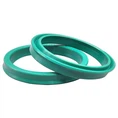
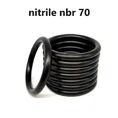
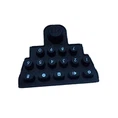
Square Silicone Gasket are a popular choice for many chemical applications due to their simple design and reliable sealing properties. They are available in a variety of sizes and thicknesses, making them suitable for different types of equipment. Silicone Seals And Gaskets offer a wide range of options, including custom - made gaskets to meet specific requirements. Gasket Seal Silicone is another option that provides excellent sealing performance and chemical resistance.
Importance of Quality Assurance
As a silicone gasket supplier, quality assurance is of utmost importance. We use advanced manufacturing processes and quality control measures to ensure that our gaskets meet the highest standards of chemical resistance and performance. Our gaskets are tested in laboratory conditions to evaluate their resistance to various chemicals and environmental factors. We also work closely with our customers to understand their specific requirements and provide them with the best - suited silicone gasket solutions.
Conclusion
Silicone gaskets are a versatile and reliable choice for sealing applications in industrial plants where exposure to different types of chemicals is a concern. Their unique chemical structure provides good resistance to many common chemicals, although their performance may be limited in the presence of strong acids, bases, polar solvents, and oxidizing agents. By considering factors such as temperature, concentration, exposure time, and physical stress, and by choosing the right silicone gasket formulation, it is possible to ensure effective sealing and long - term performance in chemical environments.
If you are in need of high - quality silicone gaskets for your chemical applications, we are here to help. Our team of experts can assist you in selecting the most suitable gasket for your specific requirements. Contact us today to start a discussion about your procurement needs and let us provide you with the best silicone gasket solutions for your plant.
References
- "Handbook of Seal Materials", Edited by W. Grossmann, Elsevier, 2007.
- "Silicone Elastomers: Chemistry and Technology", by R. H. Krieble, Reinhold Publishing Corporation, 1954.
- ASTM D471 - 16, "Standard Test Method for Rubber Property - Effect of Liquids", ASTM International.