


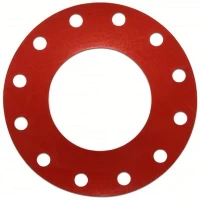


Unitized seals play a crucial role in the overall reliability of a system. As a unitized seal supplier, I have witnessed firsthand how these seals can significantly impact the performance and longevity of various systems. In this blog, we will delve into the ways unitized seals affect system reliability, exploring their functions, benefits, and real - world applications.
Understanding Unitized Seals
Unitized seals are integrated sealing solutions designed to prevent the leakage of fluids (such as liquids or gases) and the ingress of contaminants into a system. They are typically composed of multiple components, such as rubber elements and metal reinforcements, which are combined into a single, pre - assembled unit. This design offers several advantages over traditional sealing methods, including enhanced ease of installation and improved sealing performance.
One of the key features of unitized seals is their ability to provide a consistent and reliable seal. The pre - assembled nature of these seals ensures that all components work together seamlessly, reducing the risk of installation errors that can lead to seal failure. Additionally, the use of high - quality materials in unitized seals enhances their resistance to wear, corrosion, and degradation, further contributing to their reliability.
Impact on System Reliability
1. Leakage Prevention
One of the primary functions of unitized seals is to prevent fluid leakage. In many systems, such as hydraulic cylinders, automotive engines, and industrial machinery, even a small amount of leakage can have serious consequences. Fluid leakage can lead to a loss of pressure, reduced efficiency, and potential damage to other components.
Unitized seals are designed with precision to create a tight seal around the interface, minimizing the risk of leakage. The rubber elements in the seal are formulated to conform to the surface of the mating parts, filling in any irregularities and providing a barrier against fluid flow. For example, in a hydraulic system, a well - designed unitized seal can maintain the required pressure within the cylinder, ensuring smooth and efficient operation. This not only improves the performance of the system but also reduces the likelihood of breakdowns and costly repairs.
2. Contaminant Exclusion
In addition to preventing fluid leakage, unitized seals also play a vital role in excluding contaminants from the system. Contaminants such as dirt, dust, and moisture can cause significant damage to system components, leading to increased wear, corrosion, and ultimately, system failure.
Unitized seals act as a protective barrier, preventing these contaminants from entering the system. The design of the seal often includes features such as lips or flanges that are specifically engineered to keep out contaminants. For instance, in automotive applications, unitized seals are used in wheel bearings to prevent dirt and water from entering the bearing, which can extend the lifespan of the bearing and improve the overall safety and performance of the vehicle.
3. Wear Resistance
Unitized seals are subject to various types of mechanical stress during operation, including friction, pressure, and temperature changes. Over time, these stresses can cause wear and damage to the seal, reducing its effectiveness. However, unitized seals are typically made from high - quality materials that are resistant to wear.
Rubber compounds used in unitized seals are formulated to withstand the rigors of continuous operation. They can maintain their elasticity and sealing properties even under high - pressure and high - temperature conditions. Additionally, the metal reinforcements in the seal provide additional support and stability, further enhancing its wear resistance. This wear resistance ensures that the seal can perform its function effectively over an extended period, contributing to the long - term reliability of the system.
4. Temperature and Chemical Resistance
Many industrial systems operate in harsh environments where they are exposed to extreme temperatures and chemicals. Unitized seals need to be able to withstand these conditions to maintain their reliability.
Advanced unitized seals are engineered to have excellent temperature and chemical resistance. They can function properly in a wide range of temperatures, from extremely cold to extremely hot. For example, in aerospace applications, seals need to withstand the extreme temperatures encountered during flight. Similarly, in chemical processing plants, seals must be resistant to aggressive chemicals. By using unitized seals with the appropriate temperature and chemical resistance, the system can operate reliably in these challenging environments.


Real - World Applications
1. Automotive Industry
In the automotive industry, unitized seals are used in a variety of applications. For example, they are used in engines to seal the oil and coolant systems, preventing leaks and ensuring proper lubrication and cooling. In transmissions, unitized seals help to maintain the hydraulic pressure, enabling smooth gear shifts. They are also used in wheel bearings, as mentioned earlier, to protect against contaminants and ensure the long - term reliability of the wheels.
The use of high - quality unitized seals in the automotive industry is essential for ensuring the safety and performance of vehicles. A failed seal in an engine can lead to engine overheating or a loss of lubrication, which can cause significant damage to the engine. By using reliable unitized seals, automakers can reduce the risk of such failures and improve the overall quality of their vehicles.
2. Aerospace Industry
The aerospace industry has extremely high standards for reliability. Unitized seals are used in aircraft engines, hydraulic systems, and fuel systems. In aircraft engines, seals are critical for preventing the leakage of fuel and lubricants, as well as for maintaining the proper pressure within the engine. In hydraulic systems, unitized seals ensure the smooth operation of flight control surfaces, which are essential for the safety of the aircraft.
The aerospace environment is particularly challenging, with extreme temperatures, high pressures, and exposure to various chemicals. Unitized seals used in aerospace applications are designed to meet these demanding requirements, providing reliable performance in the most extreme conditions.
3. Industrial Machinery
In industrial machinery, unitized seals are used in pumps, compressors, and other equipment. These seals prevent the leakage of fluids, such as water, oil, and chemicals, and protect the internal components from contaminants. For example, in a water pump, a reliable unitized seal can prevent water leakage, ensuring the efficiency of the pump and preventing water damage to the surrounding equipment.
The use of unitized seals in industrial machinery helps to improve productivity by reducing downtime due to seal failures. It also reduces maintenance costs by extending the lifespan of the equipment.
Complementary Sealing Products
In addition to unitized seals, we also offer a range of complementary sealing products that can further enhance the reliability of your systems. For example, our Solid Silicone Plug is ideal for sealing holes and openings, preventing the ingress of dust, dirt, and liquids. Made from high - quality silicone rubber, these plugs are durable and resistant to a wide range of temperatures and chemicals.
Our Rubber Bumper is another useful product that can be used to protect equipment from impact and vibration. These bumpers are designed to absorb shock and reduce noise, improving the overall performance and reliability of the system.
In addition, our Flat Rubber Seal Ring provides a simple yet effective sealing solution for various applications. These rings are available in different sizes and materials, allowing you to choose the most suitable option for your specific needs.
Contact for Procurement
If you are looking for high - quality unitized seals or any of our complementary sealing products to improve the reliability of your systems, we are here to help. Our team of experts can provide you with detailed information about our products and assist you in selecting the most appropriate solutions for your applications. Whether you are in the automotive, aerospace, or industrial machinery sector, we have the expertise and products to meet your requirements.
Reach out to us to start a discussion about your sealing needs. Our goal is to offer you the best sealing solutions that enhance the reliability and performance of your systems.
References
- Bhushan, B. (Editor). (2013). Handbook of Tribology: Materials, Coatings, and Surface Treatments (2nd Edition). Wiley.
- Schey, J. A. (2000). Tribology in Metalworking: Friction, Lubrication, and Wear (2nd Edition). ASM International.
- Hutchings, I. M. (1992). Tribology: Friction and Wear of Engineering Materials. Edward Arnold.