



Hey there! As a supplier of rubber draught seals, I've gotten a ton of questions about how they stack up against foam draught seals. So, I thought I'd break it down in this blog post.
First off, what are draught seals?
Draught seals are used to block gaps around windows, doors, and other openings to prevent cold air from getting in and warm air from getting out. They're a simple yet effective way to improve energy efficiency in homes and buildings. There are two main types: rubber draught seals and foam draught seals.

Rubber Draught Seals
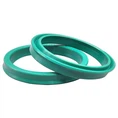
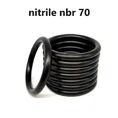
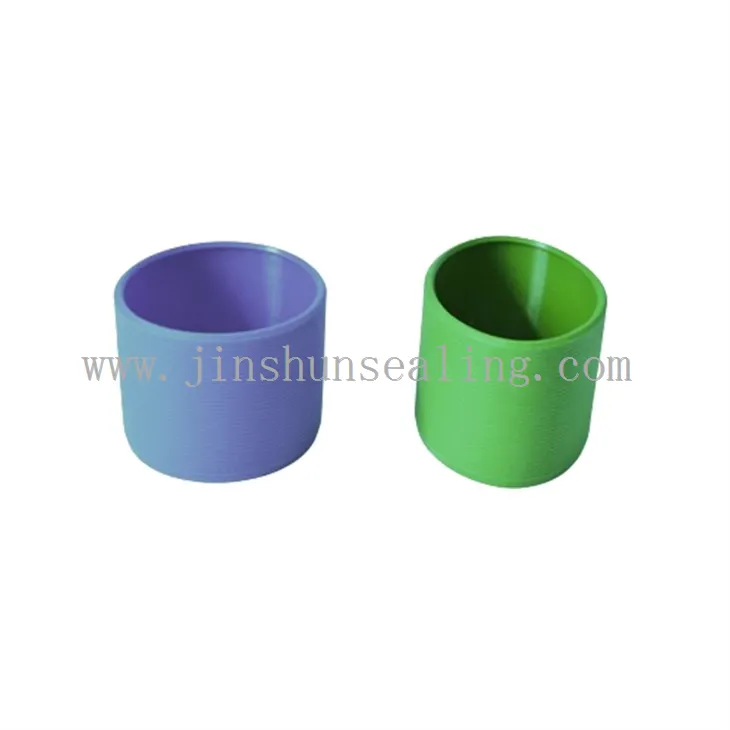
Let's start with rubber. Rubber draught seals are made from various types of rubber, like neoprene, silicone, or EPDM. These materials are known for their durability and flexibility.
One of the biggest advantages of rubber draught seals is their longevity. They can withstand harsh weather conditions, including extreme temperatures, UV rays, and moisture. This means they won't crack, shrink, or lose their shape easily. For example, in areas with high humidity or near the coast, rubber seals are a great choice because they're resistant to corrosion.
Rubber seals also provide a tight and secure fit. They can conform to irregular surfaces, creating an excellent barrier against draughts. This is especially important for older buildings where windows and doors may not be perfectly straight. The flexibility of rubber allows it to fill in gaps and prevent air leakage effectively.
Another plus is their sound insulation properties. Rubber has good acoustic properties, which can help reduce noise from outside. If you live in a noisy neighborhood or near a busy road, rubber draught seals can make your home a lot quieter.
However, rubber draught seals do have a few drawbacks. They can be more expensive than foam seals. The cost of the raw materials and the manufacturing process contribute to the higher price. Also, installation can be a bit trickier. You may need to use special adhesives or tools to ensure a proper fit, especially for complex shapes or large areas.
Foam Draught Seals
Now, let's talk about foam draught seals. Foam seals are typically made from materials like polyurethane or polyethylene. They're lightweight and easy to install.
One of the main advantages of foam seals is their affordability. They're generally much cheaper than rubber seals, making them a popular choice for budget - conscious consumers. If you're on a tight budget and just need a basic solution to block draughts, foam seals are a great option.
Installation is a breeze with foam seals. Most foam seals come with self - adhesive backing, which means you can simply peel and stick them in place. This makes them a DIY - friendly option. You don't need any special skills or tools to install foam draught seals, and you can complete the job in no time.
Foam seals also have good insulating properties. They can reduce heat loss and keep your home warm in the winter. However, compared to rubber, their insulation is not as effective in the long run.
But foam seals have their limitations. They're not as durable as rubber seals. Foam can degrade over time, especially when exposed to sunlight, heat, or moisture. It can become brittle, break apart, or lose its insulating properties. In areas with extreme weather conditions, foam seals may need to be replaced more frequently.
Also, foam seals may not provide as tight a seal as rubber. They're not as good at conforming to irregular surfaces, so there may be some air leakage around the edges. This can reduce their energy - saving effectiveness.
Comparing the Two
When it comes to energy efficiency, rubber draught seals are generally more effective. Their tight fit and long - term durability mean they can prevent more air leakage over time. This can lead to significant energy savings on your heating and cooling bills.
In terms of durability, rubber clearly wins. It can last for many years without losing its performance, while foam may need to be replaced every few years.
For sound insulation, rubber is also the better choice. Its acoustic properties are superior to foam, providing a quieter environment.
However, if you're on a tight budget and need a quick and easy installation, foam draught seals are a good option. They can still provide some level of insulation and help reduce draughts.
Applications
The choice between rubber and foam draught seals also depends on the application. For residential use, if you're looking for a long - term solution for your home's windows and doors, rubber seals are a great investment. They'll save you money on energy bills in the long run and improve the comfort of your home.
In commercial buildings, the decision may depend on the building's design and budget. For large - scale projects, cost may be a major factor, so foam seals could be considered. But for areas where energy efficiency and durability are crucial, like hospitals or data centers, rubber seals are often the preferred choice.
Where to Find Quality Rubber Draught Seals
If you're interested in rubber draught seals, we offer a wide range of products. We also have related products like Rubber Diaphragm, Diaphragm Rubber Seal, and Neoprene Gasket Seal. These products are made with high - quality materials and are designed to meet different needs.
Conclusion
In conclusion, both rubber and foam draught seals have their pros and cons. Rubber seals offer better durability, a tighter fit, and superior sound insulation, but they're more expensive and harder to install. Foam seals are affordable and easy to install, but they're less durable and not as effective in the long run.
If you're looking for a long - lasting, high - performance solution, rubber draught seals are the way to go. But if you're on a budget and need a quick fix, foam seals can do the job.
If you're interested in purchasing rubber draught seals or have any questions about our products, feel free to reach out. We're here to help you make the right choice for your needs.
References
- "Building Seals and Gaskets Handbook" by John P. Carr
- "Energy Efficiency in Buildings" by various authors
- Industry reports on draught seal materials and performance