


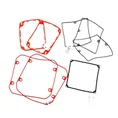
Hey there! As a supplier of EPDM flat gaskets, I've seen firsthand the challenges that come with using these gaskets in cold temperatures. EPDM, or ethylene propylene diene monomer, is a popular choice for gaskets due to its excellent resistance to weathering, ozone, and chemicals. However, one of its drawbacks is its brittleness in cold conditions. In this blog post, I'll share some tips on how to handle the brittleness of EPDM flat gaskets in cold temperatures.
Understanding the Problem
First things first, let's understand why EPDM gaskets become brittle in cold temperatures. Rubber materials, including EPDM, are made up of long polymer chains. At normal temperatures, these chains are flexible and can move around easily, allowing the rubber to stretch and bend. But when the temperature drops, the polymer chains lose their flexibility and become more rigid. This makes the rubber less elastic and more prone to cracking and breaking.
The brittleness temperature of EPDM can vary depending on the specific formulation, but it's typically around -40°C to -50°C. Once the temperature falls below this point, the gasket's performance can be significantly affected. It may lose its sealing ability, leading to leaks, or it could break during installation or operation.
Choosing the Right EPDM Compound
One of the most effective ways to deal with the brittleness of EPDM flat gaskets in cold temperatures is to choose the right compound. Not all EPDM compounds are created equal, and some are better suited for cold environments than others.
Look for EPDM compounds that are specifically formulated for low-temperature applications. These compounds usually contain additives that improve the rubber's flexibility at low temperatures. For example, some compounds may have plasticizers added to them, which help to keep the polymer chains more mobile even in cold conditions.
When selecting an EPDM compound, also consider the other properties you need for your application. For instance, if the gasket will be exposed to chemicals or high pressures, make sure the compound has good resistance to these factors as well. You can consult with your gasket supplier to find the best compound for your specific needs.


Proper Storage and Handling
Proper storage and handling of EPDM flat gaskets are crucial, especially in cold temperatures. Here are some tips to keep in mind:
- Storage Temperature: Store the gaskets in a temperature-controlled environment. Avoid storing them in areas where the temperature can drop below the brittleness point. If possible, keep the gaskets at room temperature until they are ready to be used.
- Avoid Sudden Temperature Changes: When moving the gaskets from a warm storage area to a cold installation site, try to do it gradually. Sudden temperature changes can cause the gaskets to become brittle more quickly. You can let the gaskets acclimate to the cold environment for a few hours before installation.
- Handle with Care: In cold temperatures, EPDM gaskets are more fragile, so handle them with extra care. Avoid bending or stretching the gaskets too much during installation. Use the proper tools and techniques to ensure a smooth and stress-free installation process.
Installation Techniques
The way you install EPDM flat gaskets can also have a big impact on their performance in cold temperatures. Here are some installation tips:
- Preheat the Gasket: If the temperature is very cold, you can preheat the gasket slightly before installation. You can use a heat gun or a warm water bath to gently warm the gasket to a more flexible state. However, be careful not to overheat the gasket, as this can damage the rubber.
- Use Lubrication: Applying a small amount of lubricant to the gasket can make it easier to install and reduce the risk of damage. Choose a lubricant that is compatible with EPDM rubber. Silicone-based lubricants are often a good choice.
- Proper Alignment: Make sure the gasket is properly aligned before tightening the bolts or fasteners. Misalignment can cause uneven stress on the gasket, increasing the likelihood of cracking or breaking in cold temperatures.
Insulation and Protection
Another way to handle the brittleness of EPDM flat gaskets in cold temperatures is to provide insulation and protection. You can use insulation materials to wrap around the gasket or the equipment where the gasket is installed. This can help to keep the temperature around the gasket more stable and prevent it from dropping too low.
In addition, you can consider using protective covers or shields to protect the gasket from direct exposure to cold air or harsh weather conditions. These covers can also help to prevent physical damage to the gasket.
Alternatives to EPDM in Cold Temperatures
If your application requires gaskets to operate in extremely cold temperatures, you may want to consider alternatives to EPDM. While EPDM is a great material in many situations, there are other rubber materials that have better low-temperature performance.
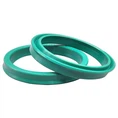
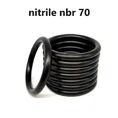
For example, Epdm Ring Gasket may be a good option in some cases, but if the cold is really extreme, you might look into Black Neoprene Gasket or Soft Rubber Gasket. Neoprene has a lower brittleness temperature than EPDM, typically around -50°C to -60°C, and it also has good resistance to oils and chemicals. Soft rubber gaskets may also offer better flexibility in cold conditions, depending on the specific type of rubber used.
Conclusion
Dealing with the brittleness of EPDM flat gaskets in cold temperatures can be a challenge, but it's not impossible. By choosing the right EPDM compound, storing and handling the gaskets properly, using the correct installation techniques, providing insulation and protection, and considering alternatives when necessary, you can ensure that your gaskets perform well even in cold environments.
If you're in the market for EPDM flat gaskets or need more advice on handling them in cold temperatures, don't hesitate to reach out. We're here to help you find the best solutions for your needs. Whether you're working on a small DIY project or a large industrial application, we can provide you with high-quality gaskets and expert guidance. Contact us today to start a conversation about your gasket requirements.
References
- "Rubber Technology Handbook" by Werner Hofmann
- "Handbook of Elastomers" edited by James E. Mark