


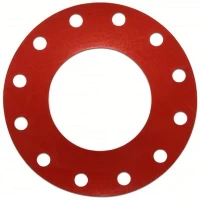


As a supplier of Molded Rubber Seals, I've been in the industry long enough to know that the sealing performance of these products is crucial. It's not just about making a part that fits; it's about making sure it keeps the stuff you want in, in, and the stuff you want out, out. Here's how we can improve the sealing performance of molded rubber seals.
Material Selection
The first step in improving the sealing performance of molded rubber seals is choosing the right material. Different rubber materials have different properties, and these properties directly affect how well the seal will work.
For example, if you need a seal for a high - temperature environment, you might want to consider Viton. Viton is known for its excellent resistance to high temperatures and chemicals. It can handle temperatures up to 400°F (204°C) in some applications. On the other hand, if you're dealing with a low - temperature application, silicone rubber could be a better choice. Silicone rubber can remain flexible at temperatures as low as - 100°F (- 73°C).
Another important factor in material selection is fluid compatibility. If the rubber isn't compatible with the fluid it will be in contact with, it can swell, shrink, or degrade over time, which will significantly reduce the sealing performance. So, always make sure to match the rubber material with the specific fluid it will encounter. You can check out our Molded Rubber Seals page to see the different materials we offer and their applications.
Manufacturing Process
The manufacturing process of molded rubber seals is also key to their sealing performance. Injection molding, compression molding, and transfer molding are the most common methods. Each method has its pros and cons, and choosing the right one can make a big difference.
Injection molding is great for high - volume production. It allows for precise control of the seal's dimensions and can produce complex shapes. The high pressure used in injection molding ensures that the rubber fills the mold cavity completely, which leads to a more uniform and higher - quality seal.
Compression molding, on the other hand, is a more traditional method. It's suitable for lower - volume production and for seals that don't require extremely tight tolerances. The rubber is placed directly into the mold cavity, and then pressure is applied to shape it. Transfer molding is a hybrid between injection and compression molding. It's useful for making seals with inserts or for applications where a more consistent flow of rubber is needed.
Throughout the manufacturing process, quality control is essential. We use advanced testing equipment to check the dimensions, hardness, and other properties of the seals. Any seals that don't meet our strict standards are rejected. This ensures that only the best - performing seals reach our customers.
Design Considerations
The design of the molded rubber seal plays a vital role in its sealing performance. One of the most important design factors is the cross - sectional shape. The shape of the seal determines how it will compress against the mating surfaces.
For example, an O - ring is a common type of seal with a circular cross - section. It's simple, versatile, and can provide a good seal in a variety of applications. However, in some cases, a different cross - sectional shape might be more suitable. A Flat Rubber Seal Ring can be used when a larger sealing surface is required.
The size of the seal is also crucial. If the seal is too small, it won't provide enough compression to create a good seal. If it's too large, it can be difficult to install and might not compress properly. We work closely with our customers to ensure that the seals we design and manufacture are the right size and shape for their specific applications.


Surface Finish and Installation
The surface finish of the mating parts can have a significant impact on the sealing performance of molded rubber seals. Rough surfaces can cause leaks because the rubber can't conform to the irregularities. So, it's important to ensure that the mating surfaces are smooth and free of scratches or burrs.
Proper installation is another critical factor. If the seal is installed incorrectly, it can be damaged or deformed, which will reduce its sealing performance. We provide detailed installation instructions with all of our seals to help our customers ensure that the seals are installed correctly.
Maintenance and Inspection
To maintain the sealing performance of molded rubber seals over time, regular maintenance and inspection are necessary. Seals can degrade over time due to factors such as temperature, pressure, and exposure to chemicals. By inspecting the seals regularly, you can identify any signs of wear or damage early and replace the seals before they fail.
We also offer a range of Rubber Bumper products that can be used in conjunction with our molded rubber seals. These bumpers can help protect the seals from damage and extend their service life.
Conclusion
Improving the sealing performance of molded rubber seals involves a combination of factors, including material selection, manufacturing process, design, surface finish, installation, and maintenance. As a supplier of molded rubber seals, we're committed to providing our customers with high - quality products that meet their specific needs.
If you're in the market for molded rubber seals or have any questions about improving their sealing performance, don't hesitate to reach out to us. We're here to help you select the right seals for your application and ensure that they perform at their best. Contact us for more information and to start a procurement discussion.
References
- Oberg, E. et al. (2016). Machinery's Handbook. Industrial Press Inc.
- Kutz, M. (Ed.). (2019). Handbook of Materials Selection. Wiley.