


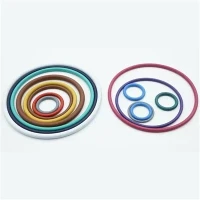


Hey there! I'm a supplier of silicone hoses, and I know how crucial it is to prevent chemical leakage from these hoses. Chemical leakage can not only lead to environmental pollution but also pose serious risks to human health and cause damage to equipment. In this blog, I'll share some practical tips on how to prevent chemical leakage from a silicone hose.
Choose the Right Silicone Hose
First things first, picking the right silicone hose is super important. Not all silicone hoses are created equal, and different chemicals require different types of hoses. For instance, if you're dealing with highly corrosive chemicals, you'll need a hose with excellent chemical resistance.
We offer a range of high - quality silicone hoses that are designed to withstand various chemicals. Check out our High Quality Silicone Hose for a selection of hoses that are built to last. These hoses are made from premium silicone materials that can resist the attack of many common chemicals.
Another option is our Silicone Tube Clear. The clear design allows you to easily monitor the flow of chemicals inside the hose. This can be really helpful in detecting any early signs of leakage or blockage.
When selecting a hose, make sure to consider the chemical compatibility chart provided by the manufacturer. This chart will tell you which chemicals the hose can safely handle. Don't just assume that any silicone hose will work for all chemicals. It's always better to be safe than sorry.
Proper Installation
Even the best - quality silicone hose won't prevent chemical leakage if it's not installed correctly. Here are some installation tips:
- Cut the Hose Properly: Use a sharp knife or a hose cutter to cut the silicone hose to the right length. A clean cut ensures a good seal when connecting the hose to fittings. A ragged or uneven cut can cause gaps, which may lead to leakage.
- Use the Right Fittings: Make sure the fittings you use are compatible with the silicone hose. They should be the correct size and type. For example, if you're using a high - pressure chemical transfer system, you'll need fittings that can handle the pressure.
- Tighten the Fittings Correctly: Over - tightening the fittings can damage the hose, while under - tightening can result in leakage. Use a torque wrench to ensure that you're tightening the fittings to the manufacturer's recommended specifications.
Regular Inspection
Regular inspection of the silicone hose is a must. You can't just install the hose and forget about it. Here's what you should look for during an inspection:
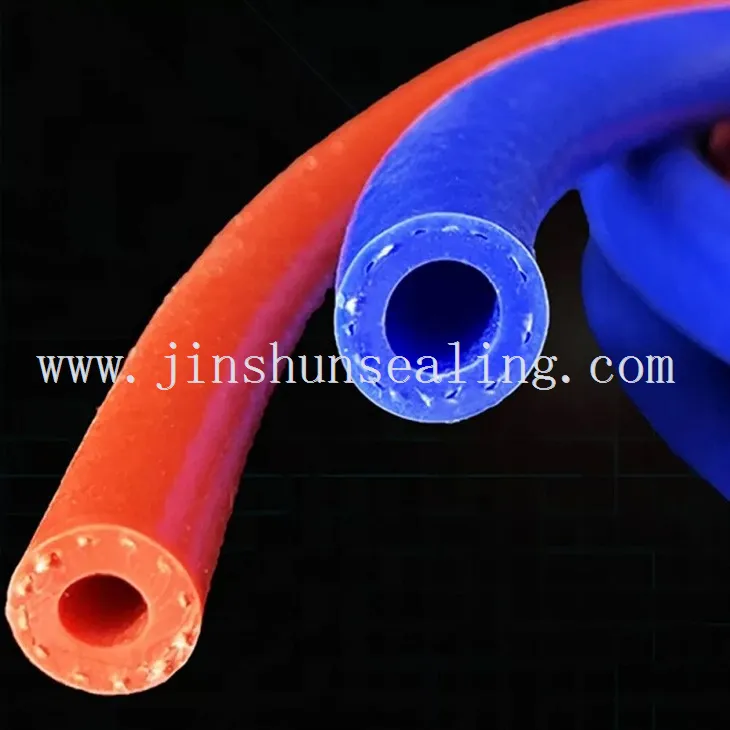
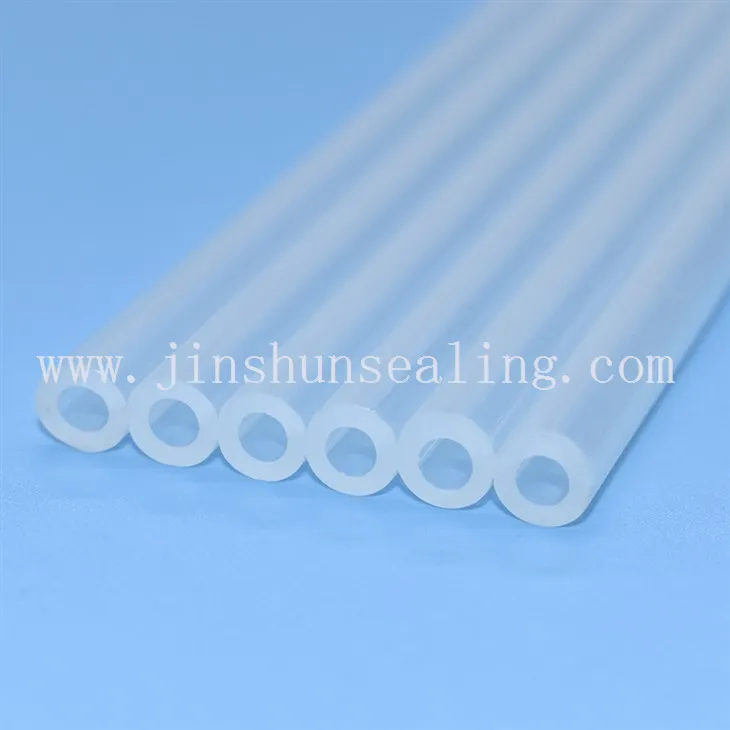
- Visual Inspection: Look for any signs of wear, tear, or damage on the surface of the hose. Check for cracks, cuts, or bulges. These can be early indicators of a potential leakage problem.
- Check the Fittings: Make sure the fittings are still tight and in good condition. Look for any signs of corrosion or damage on the fittings. If you notice any issues, replace the fittings immediately.
- Monitor the Chemical Flow: Keep an eye on the flow of chemicals through the hose. If you notice any changes in the flow rate or pressure, it could be a sign of a leakage or blockage.
Maintenance and Storage
Proper maintenance and storage of the silicone hose can also help prevent chemical leakage.
- Clean the Hose Regularly: After each use, clean the hose thoroughly to remove any residual chemicals. Use a mild detergent and water to clean the inside and outside of the hose. Rinse it well and let it dry completely before storing it.
- Store the Hose Properly: Store the hose in a cool, dry place away from direct sunlight and heat sources. Exposure to extreme temperatures can degrade the silicone material and reduce its chemical resistance.
- Replace the Hose When Necessary: Even with proper maintenance, silicone hoses have a limited lifespan. If you notice significant wear and tear or if the hose has been in use for a long time, it's time to replace it.
Training and Education
Make sure that all the people who handle the silicone hoses and chemicals are properly trained. They should know how to select the right hose, install it correctly, inspect it regularly, and handle any potential leakage situations. Provide them with safety training and make sure they understand the risks associated with chemical leakage.
Emergency Response Plan
Despite all your efforts to prevent chemical leakage, it's still possible for an accident to happen. That's why it's important to have an emergency response plan in place.
- Have a Leak Containment System: Set up a leak containment system around the area where the silicone hoses are used. This can include spill trays, absorbent materials, and barriers to prevent the spread of chemicals in case of a leakage.
- Train Employees on Emergency Procedures: Make sure your employees know what to do in case of a chemical leakage. They should know how to shut off the chemical flow, contain the spill, and notify the appropriate authorities.
Conclusion
Preventing chemical leakage from a silicone hose requires a combination of choosing the right hose, proper installation, regular inspection, maintenance, training, and having an emergency response plan. By following these tips, you can significantly reduce the risk of chemical leakage and ensure the safety of your workplace and the environment.
If you're in the market for high - quality silicone hoses, we've got you covered. Check out our Clear Silicone Hose for a great option. And if you have any questions or need help with selecting the right hose for your application, don't hesitate to contact us. We're here to assist you in finding the best solution for your chemical transfer needs. Let's work together to prevent chemical leakage and create a safer workplace.
References
- "Silicone Hose Handbook" - Industry standard guide on silicone hoses
- Manufacturer's specifications and chemical compatibility charts for silicone hoses