


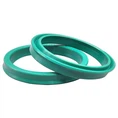
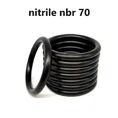

Nitrile oil seals are a staple in various industrial applications, known for their durability and resistance to oil and other fluids. As a leading nitrile oil seal supplier, I often encounter a common question from our clients: Do nitrile oil seals require lubrication? In this blog post, I'll delve into this topic, exploring the science behind nitrile oil seals and the role of lubrication in their performance.
Understanding Nitrile Oil Seals
Nitrile rubber, also known as NBR (nitrile butadiene rubber), is a synthetic rubber copolymer of acrylonitrile (ACN) and butadiene. It is widely used in the manufacturing of oil seals due to its excellent resistance to oil, fuel, and other petroleum-based products. Nitrile oil seals are designed to prevent the leakage of fluids, such as oil and grease, from machinery and equipment, while also keeping contaminants out.
These seals are commonly used in automotive engines, transmissions, and differentials, as well as in industrial machinery, hydraulic systems, and pumps. Their ability to withstand a wide range of temperatures and pressures makes them suitable for a variety of applications.
The Role of Lubrication
Lubrication plays a crucial role in the operation of nitrile oil seals. It serves several important functions that contribute to the overall performance and longevity of the seal.
Reducing Friction
One of the primary functions of lubrication is to reduce friction between the seal and the shaft. When the seal comes into contact with the rotating shaft, friction is generated, which can cause wear and tear on the seal material. Over time, this can lead to premature failure of the seal. Lubrication forms a thin film between the seal and the shaft, reducing the coefficient of friction and minimizing wear.
Heat Dissipation
Friction also generates heat, which can have a negative impact on the performance of the nitrile oil seal. Excessive heat can cause the rubber material to degrade, leading to a loss of elasticity and sealing effectiveness. Lubrication helps to dissipate heat away from the seal, keeping it within a safe operating temperature range.
Contaminant Removal
Lubrication can also help to remove contaminants from the sealing area. As the lubricant circulates around the seal, it can carry away dirt, debris, and other particles that may accumulate on the surface of the seal. This helps to prevent these contaminants from causing damage to the seal or interfering with its sealing performance.
Seal Conditioning
In some cases, lubrication can also condition the nitrile rubber material, helping to maintain its flexibility and elasticity. Certain lubricants contain additives that can penetrate the rubber and prevent it from drying out or becoming brittle. This can extend the service life of the seal and improve its overall performance.
When Lubrication is Required
While lubrication is generally beneficial for nitrile oil seals, there are certain situations where it is particularly important.
High-Speed Applications
In high-speed applications, such as automotive engines and industrial machinery, the friction and heat generated between the seal and the shaft can be significant. Lubrication is essential in these applications to reduce friction, dissipate heat, and prevent premature wear of the seal.
High-Pressure Applications
In high-pressure applications, such as hydraulic systems and pumps, the seal is subjected to greater forces and stresses. Lubrication helps to reduce the friction and wear on the seal, ensuring that it can maintain a reliable seal under these demanding conditions.
Dry or Harsh Environments
In dry or harsh environments, where there is a lack of natural lubrication, the nitrile oil seal may be more prone to wear and damage. Lubrication can provide the necessary protection and ensure that the seal operates effectively in these conditions.
Types of Lubricants for Nitrile Oil Seals
When selecting a lubricant for nitrile oil seals, it is important to choose a product that is compatible with the nitrile rubber material. Some lubricants may contain chemicals or additives that can react with the rubber and cause it to degrade.
Mineral Oils
Mineral oils are a common choice for lubricating nitrile oil seals. They are relatively inexpensive and widely available. Mineral oils provide good lubrication and heat dissipation properties, but they may not be suitable for all applications. Some mineral oils may contain sulfur or other contaminants that can cause corrosion or damage to the seal.
Synthetic Oils
Synthetic oils are a more advanced type of lubricant that offer several advantages over mineral oils. They are formulated to provide superior lubrication, heat resistance, and chemical stability. Synthetic oils are also less likely to contain contaminants that can damage the nitrile rubber material. However, synthetic oils are generally more expensive than mineral oils.
Greases
Greases are another option for lubricating nitrile oil seals. They are a semi-solid lubricant that consists of a base oil and a thickening agent. Greases provide good lubrication and sealing properties, and they can be used in applications where a liquid lubricant may not be suitable. However, greases can be more difficult to apply and may require more frequent reapplication than liquid lubricants.
Lubrication Application
Proper application of lubrication is essential to ensure the effectiveness of the nitrile oil seal. Here are some general guidelines for applying lubrication to nitrile oil seals:
Clean the Sealing Area
Before applying lubrication, it is important to clean the sealing area thoroughly to remove any dirt, debris, or old lubricant. This will ensure that the new lubricant can adhere properly to the seal and provide effective lubrication.
Apply the Lubricant Evenly
When applying lubrication, it is important to apply it evenly to the sealing surface of the nitrile oil seal. This can be done using a brush, a spray, or a lubrication gun. Make sure to cover the entire sealing surface, including the lip of the seal.
Avoid Over-Lubrication
While lubrication is important, it is also possible to over-lubricate the nitrile oil seal. Excessive lubrication can cause the seal to swell or become distorted, which can affect its sealing performance. It is important to follow the manufacturer's recommendations for the amount of lubrication to apply.
Conclusion
In conclusion, lubrication is an important factor in the performance and longevity of nitrile oil seals. It helps to reduce friction, dissipate heat, remove contaminants, and condition the rubber material. While lubrication is generally beneficial, there are certain situations where it is particularly important, such as high-speed and high-pressure applications. When selecting a lubricant, it is important to choose a product that is compatible with the nitrile rubber material. Proper application of lubrication is also essential to ensure the effectiveness of the seal.


As a nitrile oil seal supplier, we offer a wide range of high-quality seals and lubricants to meet the needs of our customers. If you have any questions about nitrile oil seals or lubrication, or if you are interested in purchasing our products, please don't hesitate to [contact us for a purchase negotiation]. We are here to help you find the right solutions for your application.
References
- "Nitrile Rubber: Properties, Applications, and Processing," Rubber World Magazine
- "Lubrication Fundamentals," Machinery Lubrication
- "Sealing Technology Handbook," John H. Bickford