



Hey there! As a silicone O - ring supplier, I've seen my fair share of O - rings going through the aging process. It's a real bummer when these little guys start to lose their oomph, but the good news is that there are ways to prevent it. So, let's dive right in and talk about how to keep your silicone O - rings in tip - top shape.
Understanding Silicone O - Rings
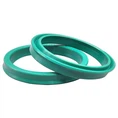
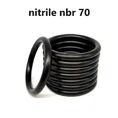
First off, what are silicone O - rings? Well, they're these circular seals made from silicone rubber. They're super versatile and are used in all sorts of applications, from automotive engines to household appliances. They're great because they can handle a wide range of temperatures, are resistant to many chemicals, and have good flexibility.
But like all good things, silicone O - rings can age. Aging can cause them to harden, crack, or lose their sealing ability. This can lead to leaks, which is a big no - no in most applications. So, how do we stop this from happening?
Storage Conditions
One of the first things to consider is how you store your silicone O - rings. You want to keep them in a cool, dry place. Heat and humidity are the enemies of silicone O - rings. High temperatures can speed up the aging process by causing the silicone to break down chemically. And humidity can introduce moisture, which can lead to mold growth or corrosion in some cases.
I'd recommend storing them in a sealed container or a plastic bag. This helps to keep out dust, dirt, and any other contaminants that could damage the O - rings. Also, try to keep them away from direct sunlight. UV rays can cause the silicone to degrade over time.
If you're a business that stocks a large number of O - rings, you might want to invest in a climate - controlled storage area. This ensures that the temperature and humidity are always within the optimal range for silicone O - rings.
Avoiding Chemical Exposure
Silicone O - rings are resistant to many chemicals, but there are still some that can cause problems. For example, strong acids and bases can react with the silicone and break it down. So, if your O - rings are going to be in an environment where they might come into contact with chemicals, make sure you choose the right type of silicone.
There are different grades of silicone O - rings available, each with its own level of chemical resistance. For instance, Heat Resistant Silicone O Rings are designed to withstand high temperatures and also have good chemical resistance in many cases.


Before using an O - ring in a chemical - exposed environment, do some research or consult with a professional. They can help you determine if the O - ring is suitable for the specific chemicals it will encounter.
Proper Installation
Proper installation is crucial for preventing premature aging of silicone O - rings. If an O - ring is installed incorrectly, it can be stretched too much or pinched, which can cause stress on the material. This stress can lead to cracks and tears over time.
When installing an O - ring, make sure the surface it's going on is clean and smooth. Any rough edges or debris can damage the O - ring. Also, use the right tools for installation. For example, don't use sharp objects that could cut the O - ring.
If you're not sure how to install an O - ring correctly, there are plenty of online resources and tutorials available. You can also reach out to us as your supplier, and we'd be happy to give you some tips.
Lubrication
Lubrication can also play a big role in preventing aging. A good lubricant can reduce friction when the O - ring is in use. This means less wear and tear on the silicone material.
However, not all lubricants are suitable for silicone O - rings. Some lubricants can react with the silicone and cause it to swell or break down. So, make sure you use a lubricant that is specifically designed for silicone.
When applying the lubricant, be careful not to over - do it. Too much lubricant can attract dirt and debris, which can also damage the O - ring.
Monitoring and Inspection
Regular monitoring and inspection of your silicone O - rings are essential. You should check them for signs of wear, such as cracks, hardening, or loss of flexibility. If you notice any of these signs, it might be time to replace the O - ring.
Inspection intervals will depend on the application. For high - stress applications, you might want to inspect the O - rings more frequently, maybe every few months. For less demanding applications, an annual inspection might be sufficient.
You can use simple tools like a magnifying glass to get a closer look at the O - rings. And keep a record of your inspections. This can help you track the condition of the O - rings over time and identify any trends.
Choosing the Right O - Ring
Not all silicone O - rings are created equal. When you're making a purchase, make sure you choose the right type for your application. Consider factors like temperature range, pressure, and chemical exposure.
For example, if you need an O - ring for a high - temperature application, Heat Resistant Silicone O Rings are a great choice. They're designed to withstand extreme heat without losing their properties.
If you have a specific size requirement, like O Rings Silicone 4mm X 1mm X 1.5 mm, make sure you order the correct size. Using the wrong size can lead to improper sealing and increased stress on the O - ring, which can accelerate aging.
Special Shapes and Designs
There are also different shapes and designs of silicone O - rings available. For example, Flat Silicone O Ring can be a good option in some applications. They offer a different sealing profile and might be more suitable for certain types of equipment.
When choosing a special shape or design, make sure it's compatible with your application. The wrong design can lead to poor sealing and premature aging.
Handling and Installation
Be gentle when handling silicone O - rings. Avoid twisting, bending, or stretching them more than necessary. Even a small amount of excessive force can cause internal damage that might not be visible right away but can lead to problems later on.
During installation, make sure you follow the manufacturer's instructions. If you're not experienced with installing O - rings, it might be a good idea to practice on a spare O - ring first. This can help you get the hang of it and avoid making mistakes that could damage the O - ring.
Conclusion
Preventing silicone O - rings from aging is all about taking the right steps from the start. By paying attention to storage conditions, avoiding chemical exposure, proper installation, lubrication, monitoring, and choosing the right O - ring for your application, you can significantly extend the lifespan of your silicone O - rings.
As a silicone O - ring supplier, I'm here to help you with all your O - ring needs. Whether you're looking for the right type of O - ring or need advice on how to take care of them, don't hesitate to reach out. We can provide you with high - quality O - rings and the knowledge to keep them in great condition.
If you're interested in purchasing silicone O - rings or want to discuss your specific requirements, feel free to contact us. We'd be more than happy to have a chat and help you find the perfect solution for your application.
References
- "Silicone Rubber Handbook" by Elastomer Technology
- Industry standards and guidelines for silicone O - ring manufacturing and usage.